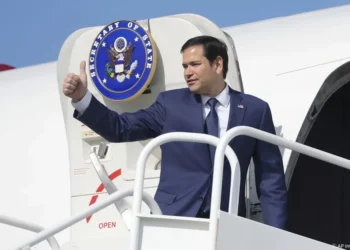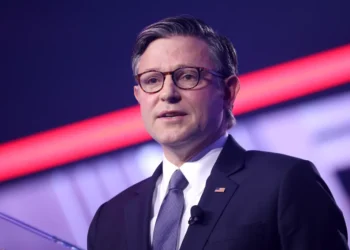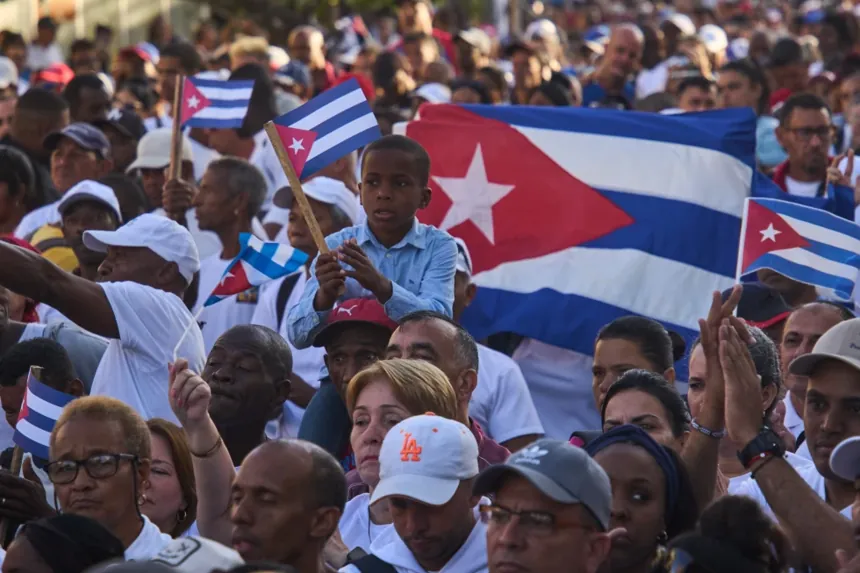
A new round of US–Cuba diplomatic talks in Havana marks a notable policy shift, as officials from both countries seek to stabilize relations after years of limited engagement. The meetings, confirmed by government representatives, signal a recalibration in Washington’s approach toward the island, with potential consequences for migration policy, regional diplomacy, and bilateral cooperation.
According to reporting from the Associated Press, delegations from the United States and Cuba convened in recent days to address a range of longstanding issues, including migration flows, sanctions enforcement, and diplomatic coordination. The discussions come amid growing pressure on policymakers to manage irregular migration and reduce tensions in the Caribbean.
Policy Shift Gains Momentum
The renewed dialogue reflects a broader policy shift within the US government, as officials seek pragmatic engagement rather than prolonged diplomatic stagnation. Analysts note that the move may represent an attempt to balance domestic political constraints with the operational need to cooperate on cross-border issues.

US officials emphasized migration as a central focus of the talks, particularly as rising numbers of Cuban nationals attempt to reach US territory. Cuban authorities, for their part, have called for greater consistency in US visa policies and a reduction in sanctions that they argue exacerbate economic hardship.
This recalibrated approach suggests Washington is prioritizing functional cooperation over ideological confrontation, even as core political disagreements remain unresolved.
Migration Pressures Drive Bilateral Engagement
Migration dynamics appear to be a key driver behind the renewed diplomatic effort. Officials from both sides acknowledged that irregular migration has placed strain on regional systems, prompting the need for coordinated responses.
In statements cited by the Associated Press, US representatives reiterated commitments to legal migration pathways while warning against dangerous sea crossings. Cuban officials highlighted the economic factors fueling migration, linking them in part to US sanctions and broader financial restrictions.
Policy experts say the talks underscore a shared recognition that migration cannot be effectively managed without direct bilateral communication, regardless of broader political tensions.
■ Related News



Diplomatic Channels Reopen Amid Lingering Tensions
While the meetings indicate progress, significant diplomatic challenges remain. Relations between the two countries have fluctuated sharply over the past decade, with earlier normalization efforts followed by renewed restrictions and political friction.
The latest engagement stops short of a full normalization push but reflects a willingness to reopen institutional channels. Analysts interviewed by international media suggest that even limited cooperation could reduce the risk of miscommunication and support targeted agreements on specific issues.
At the same time, domestic political considerations in the United States continue to shape the scope of engagement, particularly in the context of electoral pressures and longstanding policy divisions over Cuba.
Regional and Political Implications
The renewed diplomatic activity carries broader implications for US policy in Latin America and the Caribbean. A more stable US–Cuba relationship could influence regional migration patterns, economic coordination, and diplomatic alignments.
Observers note that the talks may also serve as a test case for how the United States manages relations with politically sensitive governments while pursuing practical policy objectives. The outcome could shape future diplomatic strategies in similarly complex geopolitical contexts.
For now, the Havana meetings represent a cautious but meaningful step toward re-engagement, with both sides signaling interest in continued dialogue despite enduring ideological differences.