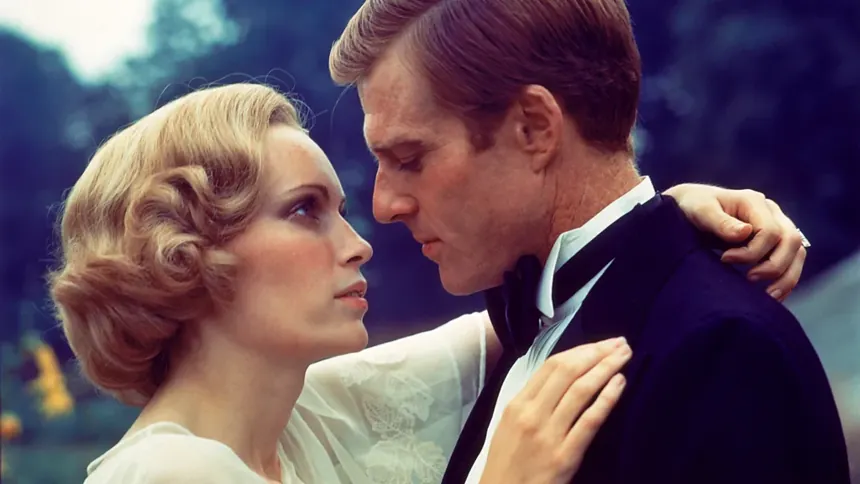
A hundred years after The Great Gatsby first entered literary culture, its reputation remains shaped less by its text than by the symbols that popular culture has extracted from it. Research into its publication history, classroom afterlife and repeated screen adaptations suggests the novel’s most persistent social relevance lies not in glamour, but in how easily consumer culture transforms critique into aspiration.
That tension helps explain why the book continues to resonate globally. While widely associated with excess, parties and Jazz Age spectacle, the novel’s deeper cultural endurance comes from its exploration of class barriers, performative identity and the fragility of social mobility — themes that remain highly legible in today’s unequal economies and image-driven digital life.
Data Behind the Cultural Misreading
The centenary revival of the novel has highlighted how mass culture often reduces complex literature into lifestyle shorthand. The word “Gatsby” now functions as a commercial symbol for luxury, celebration and curated elegance, detached from the book’s darker concerns about fraud, obsession and social exclusion. BBC Culture’s centenary analysis notes that this misunderstanding dates back to the novel’s first reviews in 1925, when even early critics struggled to grasp its thematic depth.

Its later institutionalisation in schools amplified this simplification. Once the novel became a classroom staple in the postwar United States, readers often encountered it through a limited set of symbols — the green light, the car, the mansion — rather than through its narrative perspective and social unease. That educational framing helped cement a more surface-level reading that still shapes public understanding today.
Generational Re-reading and Social Meaning
One reason the novel continues to circulate across generations is that its meaning changes with reader age and experience. Studies of literary reception frequently show that canonical texts gain new relevance when revisited later in life, especially those centred on aspiration, disappointment and memory.
In the case of Gatsby, younger readers often first encounter spectacle, romance and symbolism. Older readers, by contrast, tend to recognise its deeper preoccupation with class immobility, emotional disillusionment and the costs of self-invention. This generational shift mirrors broader social research showing that interpretations of cultural works evolve alongside lived economic and personal realities.
Class, Mobility and the Modern Dream
The novel’s most enduring social theme is arguably not wealth itself, but the instability of upward mobility. Jay Gatsby’s reinvention reflects a familiar modern pattern: identity as performance, built through consumption, status signalling and strategic self-mythologising.
That framework remains especially relevant in a 21st-century environment shaped by digital personas and aspirational branding. The distance between image and reality — central to the book’s emotional architecture — now mirrors how social media platforms reward curated versions of success, often masking structural inequalities beneath aesthetic polish.



The continued interest in Gatsby adaptations following the book’s 2021 public-domain transition has further reinforced this point. New retellings, musicals and reinterpretations suggest that societies continue to use the text as a way of processing contemporary anxieties around class, reputation and belonging.
Cultural Shifts Beyond the Party Myth
The persistence of the “party novel” label says as much about modern culture as it does about Fitzgerald’s writing. Consumer societies frequently absorb critical works by flattening them into style, décor or event themes. In Gatsby’s case, the warning about illusion has itself become an illusion — a decorative brand detached from the text’s cautionary force.
That process reflects a wider cultural habit in the digital age: complex narratives becoming lifestyle aesthetics. The book’s survival as a social text may therefore depend precisely on this paradox — its ability to be endlessly misread, then rediscovered.
Expert Perspectives on Why It Endures
Literary scholars cited in the BBC’s centenary reporting argue that the novel’s real richness lies in its mediation through Nick Carraway, whose selective, ambivalent narration complicates every judgement readers make about Gatsby himself.
This emphasis on perspective matters socially as well as literarily. It positions the novel less as a morality tale about one wealthy man and more as a study in how societies construct myths around status, desire and legitimacy. In that sense, Gatsby remains relevant not because it depicts luxury, but because it exposes how cultures mistake display for meaning.