Last updated: Friday, April 10, 2026 | 14:00 UTC
Major Developments We’re Following
- Israeli diplomatic outreach toward direct Lebanon talks after large-scale bombardments
- The U.S.–Iran ceasefire framework remains fragile amid disputes over whether Lebanon is covered
- Commercial shipping movement in the Strait of Hormuz remains a core global security risk
- International pressure is increasing for a broader regional ceasefire
LIVE UPDATES
14:00 UTC — Diplomatic Channels Focus on Lebanon Track
Reuters reported that Lebanese officials are seeking a temporary ceasefire to open a separate diplomatic track with Israel, modeled on the current U.S.–Iran framework.

Officials on both sides have not publicly confirmed a timetable for formal talks.
13:42 UTC — U.S. Military Posture in Gulf Unchanged
U.S. President Donald Trump said military assets would remain in place until what he described as a “real agreement” is fully implemented.
No fresh force deployments were independently confirmed.
13:20 UTC — Lebanon Pushes for Temporary Halt
A senior Lebanese official told Reuters that Beirut is seeking an immediate pause in hostilities to create space for broader talks.
Israeli officials have not publicly responded to the latest proposal.




12:58 UTC — Israeli Cabinet Ordered to Prepare Talks
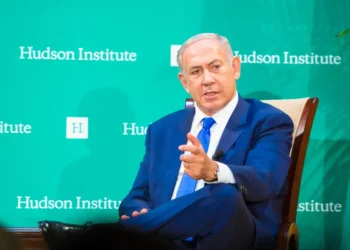
Prime Minister Benjamin Netanyahu said he instructed the cabinet to begin direct negotiations with Lebanon as soon as possible.
The proposal centers on border stability and Hezbollah disarmament.
12:35 UTC — Ceasefire Scope Still Disputed
Iranian officials repeated that Lebanon must be considered part of the ceasefire framework.
Israel and the United States continue to dispute that interpretation.
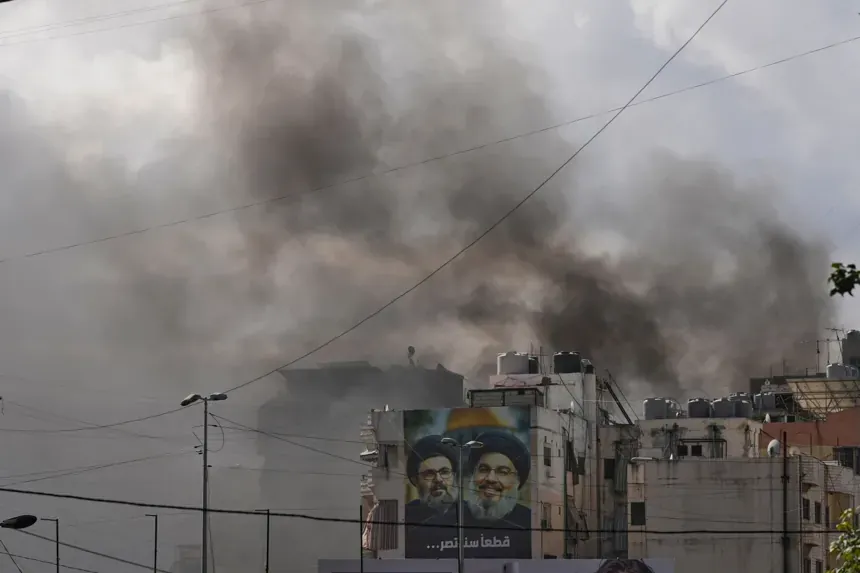
12:10 UTC — Lebanon Mourning Continues After Strikes
Lebanese authorities maintained national mourning measures after officials said more than 200 people were killed in recent bombardments.
The casualty figures could not be independently verified.
11:48 UTC — Hormuz Traffic Monitoring Intensifies
Commercial tanker traffic near the Strait of Hormuz remains under close monitoring after earlier disruptions.
Energy markets are watching for any further restrictions.
11:25 UTC — Iran Says Safe Passage Requires Coordination
Iranian Foreign Minister Abbas Araghchi said safe passage would be possible through coordination with Iran’s armed forces.
No shipping authority has yet announced a full return to normal routing.
11:00 UTC — International Pressure Builds
Diplomatic sources cited by multiple outlets said governments are urging a broader ceasefire that explicitly covers Lebanon.
UN officials have warned the truce remains at risk.
10:42 UTC — Israeli Air Activity Reported Over Southern Lebanon
Local officials reported continued overflights and isolated strike alerts in southern districts.
The military activity could not immediately be independently verified.
10:20 UTC — Washington Talks Preparation Continues
Reuters reported that diplomatic teams are preparing for follow-up discussions in Washington.
The agenda is expected to include Lebanon and Gulf shipping security.
09:58 UTC — Hezbollah Position Unclear
No new official statement has been issued by Hezbollah on whether operations would pause during any diplomatic window.
Regional officials said the group remains a central issue in proposed talks.
09:35 UTC — Gulf Allies Briefed on Security Posture
U.S. officials briefed regional allies on force positioning and maritime protection measures, according to reporting.
09:12 UTC — Casualty Reviews Ongoing in Lebanon
Lebanese health authorities continued damage and casualty assessments from Wednesday’s bombardment.
Numbers may be revised as rescue work continues.
08:50 UTC — Oil Markets Sensitive to Hormuz Risk
Shipping uncertainty in Hormuz remains one of the main drivers of market volatility.
No new closures were officially announced.
08:25 UTC — Pakistan Diplomacy Channel Remains Active
Reuters said Pakistan continues to facilitate ceasefire diplomacy involving Iran and wider regional files.
08:00 UTC — Lebanon Says Talks Need Ceasefire First
Lebanese officials told Reuters that any direct negotiations require an immediate cessation of strikes.
07:35 UTC — U.N. Warns Truce at Grave Risk
UN officials warned that ongoing Lebanon strikes could undermine the broader ceasefire effort.
07:10 UTC — Israel Says Lebanon Track Separate
Israeli officials continue to describe Lebanon as a separate diplomatic and military file.
06:45 UTC — Maritime Insurers Assess Gulf Exposure
Insurers and shipping firms are reviewing Gulf transit risk as military assets remain in place.
06:20 UTC — No Verified Missile Launches Overnight
No major overnight missile exchanges were confirmed by official sources in the latest reporting window.
06:00 UTC — Tracker Monitoring Continues
This live tracker remains focused on verified military, diplomatic, and maritime developments across the Israel–Iran–Lebanon security crisis.
What We Know
- Israel says it is prepared to begin direct negotiations with Lebanon.
- Iran maintains Lebanon should be included in the ceasefire framework.
- Lebanon declared a day of mourning after mass-casualty strikes.
- U.S. forces remain deployed across the Gulf while talks continue.
What We Don’t Know
- Whether direct Israel–Lebanon talks will formally begin
- The final scope of any enforceable ceasefire terms
- The timing of full maritime normalization through Hormuz
- Whether Hezbollah operations will be paused during diplomacy