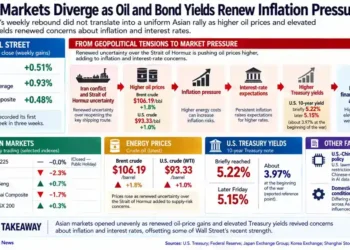
U.S. gasoline prices climbed above $4 per gallon on Tuesday for the first time since 2022, as the Iran conflict and disruptions around the Strait of Hormuz tightened global crude supplies and pushed transport costs higher. AAA data showed the national average for regular gasoline at $4.02, while diesel rose to roughly $5.45, intensifying concerns about second-round inflation effects across logistics, groceries, and consumer goods. The move matters beyond energy markets because fuel remains a key pass-through cost for freight-heavy sectors and household budgets.
Market and inflation impact
The dominant business angle is the macro and inflationary impact of higher fuel costs. With gasoline now more than $1 per gallon above pre-conflict levels, economists are increasingly focused on how transport-intensive categories such as food distribution, parcel delivery, and utilities may feed into broader consumer price indices over the coming weeks.
Diesel’s sharper rise is especially significant for the corporate sector because it directly affects trucking fleets, warehousing operators, and last-mile delivery networks. Analysts tracking consumer staples note that grocery chains and food distributors typically pass through higher freight expenses faster than other sectors because replenishment cycles are short and inventory turns are frequent.

Supply disruption and energy market mechanics
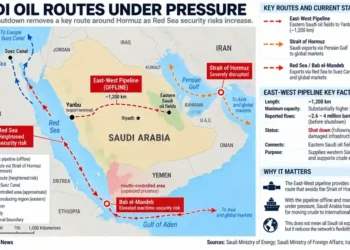
The current price escalation reflects the closure and disruption of shipping flows through the Strait of Hormuz, a corridor that normally handles around one-fifth of global oil transit. Crude prices have moved above $100 per barrel, increasing feedstock costs for U.S. refiners even though the United States remains a net oil exporter.
A structural refinery mismatch continues to amplify the domestic impact. Much of U.S. production is light, sweet crude, while several coastal refineries are optimized for heavier imported grades, meaning international disruptions still transmit quickly into pump prices and downstream industrial costs. This leaves U.S. fuel markets exposed to geopolitical risk despite high domestic production.
Policy response and strategic reserves
In response, the International Energy Agency said member nations would release 400 million barrels from emergency reserves, an unusually large coordinated intervention aimed at stabilizing benchmark crude and calming wholesale fuel markets. The White House has also temporarily eased certain maritime transport rules and loosened selected sanctions to increase crude availability.
However, the economic relief may not be immediate. Refiners and wholesalers often work through previously purchased crude inventories, delaying any decline in retail gasoline and diesel prices. That lag raises the probability that April inflation data could capture part of the current fuel shock even if oil prices retreat in coming sessions.
Corporate and sector outlook
For businesses, the near-term risk is margin compression rather than outright demand destruction. Retailers, airlines, trucking groups, and e-commerce logistics operators face renewed cost pressure just as many were rebuilding margins after the 2024–2025 inflation cycle. Energy-intensive manufacturers may also face higher input and distribution costs if crude volatility persists.
■ Related News



The broader market implication is that sustained fuel inflation could complicate central bank efforts to anchor inflation expectations, particularly if freight and food categories begin reflecting higher diesel costs. Industry figures suggest the next several weeks will depend heavily on whether shipping activity resumes through the Gulf and whether emergency stockpile releases are sufficient to narrow crude spreads.