DUBAI — Efforts to initiate negotiations over the ongoing Iran war remain unclear and fragmented, as competing claims from Washington and Tehran raise doubts about whether meaningful diplomacy is underway, underscoring widening Iran war negotiations uncertainty with global implications for energy markets and regional stability.
Despite assertions from Donald Trump that progress is being made toward a potential agreement, officials across the region and analysts say no formal talks have been publicly confirmed, leaving mediation attempts in an early and uncertain phase. Reporting from The Associated Press indicates that intermediaries, including Pakistan and Egypt, are working behind the scenes to establish a framework for dialogue, though Iran has denied that negotiations are taking place.
The lack of clarity comes as military activity intensifies across the Middle East, raising the stakes for international actors concerned about energy security and the risk of broader escalation.

Diplomatic Pressure Builds Around Iran War Negotiations
Behind-the-scenes mediation efforts are increasingly focused on confidence-building measures aimed at reducing hostilities and reopening critical trade routes. Officials familiar with the discussions, speaking to multiple international outlets, said a proposed framework includes steps toward a temporary pause in fighting and restoring maritime access through the Strait of Hormuz.
Analysts note that these early-stage diplomatic moves reflect mounting pressure from global stakeholders, particularly those dependent on stable oil flows. The waterway’s disruption has already sent ripples through international markets, highlighting the economic urgency of resolving the conflict.
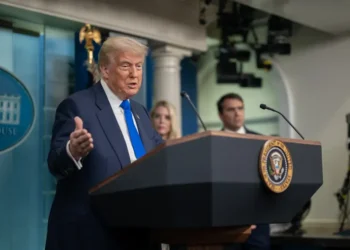
At the same time, Washington’s messaging has remained inconsistent. While Trump has signaled openness to talks, Tehran has publicly rejected the notion that any negotiations are underway, reinforcing a deep trust deficit that continues to hinder progress.
Regional Stability Tested as Military Activity Intensifies
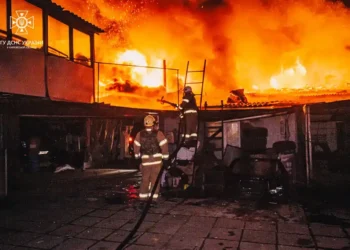
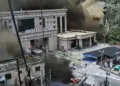
Even as diplomatic channels are explored, the conflict itself shows little sign of slowing. Missile exchanges and cross-border strikes have continued across multiple fronts, with Israel maintaining its offensive posture and Iran vowing to continue fighting.
Israeli Prime Minister Benjamin Netanyahu has indicated that military operations will persist despite emerging diplomatic efforts, suggesting a divergence in strategic objectives between Israel and the United States.


Meanwhile, additional U.S. forces are being deployed to the region, a move that analysts interpret as both a deterrent and a potential bargaining tool in any future negotiations. The buildup has also fueled concerns that the conflict could expand further if diplomatic efforts fail.
Strategic Stakes Rise Over Leadership and Negotiation Authority
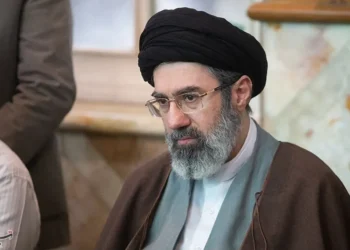
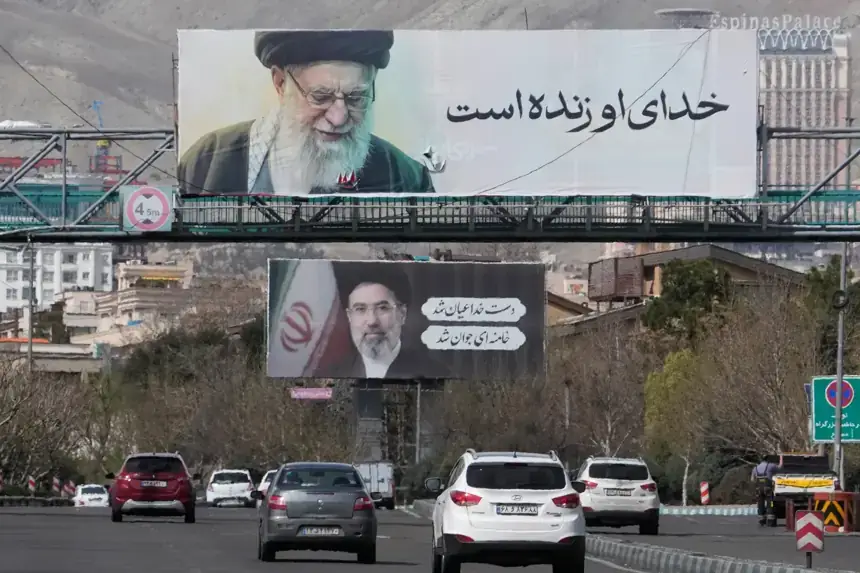
Uncertainty over Iran’s internal decision-making structure presents another obstacle to meaningful dialogue. Following leadership changes amid the conflict, it remains unclear who holds the authority to negotiate on behalf of Tehran.
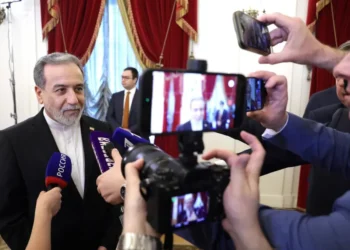
Figures such as Foreign Minister Abbas Araghchi and other senior officials are seen as potential interlocutors, but questions persist about whether any negotiating party would have the backing of Iran’s military establishment.
Experts say this ambiguity complicates mediation efforts, as external actors seek assurances that any agreement reached would be enforceable. Statements from Iranian military leadership emphasizing continued resistance further underscore the challenges facing diplomatic initiatives.
Economic Fallout Spreads as Energy Security Concerns Mount
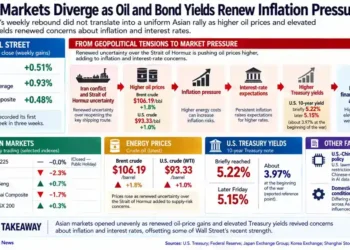
The conflict’s impact on global energy markets has become a central concern for international policymakers. Disruptions to shipping through the Strait of Hormuz — a key artery for global oil supplies — have heightened volatility, prompting calls for urgent de-escalation.
Temporary relief in financial markets followed indications from Washington that deadlines for potential escalation could be extended, though analysts caution that underlying risks remain unresolved.
Research groups and policy analysts suggest that economic considerations may be influencing U.S. decision-making, with efforts to explore diplomatic offramps potentially aimed at limiting long-term damage to global markets.
International Response Intensifies Amid Fragile Mediation Efforts
Regional and international actors continue to push for dialogue, but coordination remains limited. Pakistan has emerged as a potential host for talks, while Gulf states and Egypt are working to bridge gaps between the parties.
However, the absence of direct engagement between key stakeholders — including Iran and Israel — raises questions about the viability of any near-term agreement.
According to analysts cited in international reporting, the current phase reflects exploratory diplomacy rather than structured negotiations, with significant hurdles still to overcome before substantive talks can begin.
Strategic Outlook Hinges on Diplomacy or Escalation
With military operations ongoing and diplomatic channels still tentative, the trajectory of the conflict remains uncertain. While some signals point to a search for a negotiated exit, parallel military preparations suggest that escalation remains a real possibility.
The coming days are likely to be critical in determining whether mediation efforts can transition into formal negotiations or whether the conflict deepens, with far-reaching consequences for regional stability and the global economy.