A new round of cross-border airstrikes has intensified the fragile security environment between Afghanistan and Pakistan, raising concerns among regional observers that the confrontation between the neighboring states may be entering a more dangerous phase.
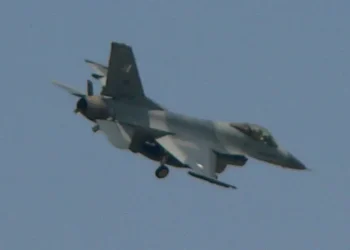
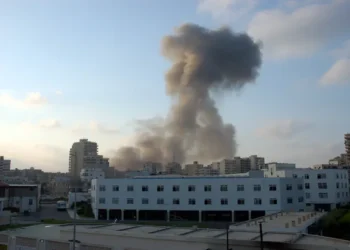
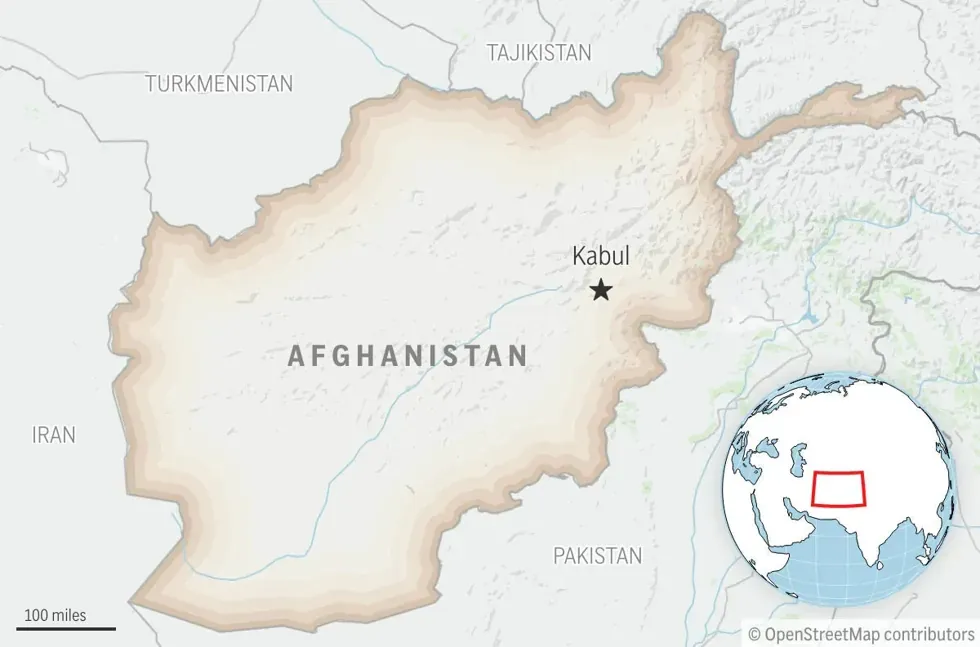
Officials in Kabul said overnight strikes attributed to Pakistani aircraft hit residential areas and infrastructure in the Afghan capital and the southern province of Kandahar, killing at least four civilians and injuring several others. The incident comes as hostilities between the two countries stretch into their third week, marking one of the most severe periods of tension along their shared frontier in recent years.
According to a report by Associated Press, Afghan authorities accused Pakistani forces of striking civilian sites, including homes and fuel facilities near Kandahar airport.

Pakistan’s military and government had not issued an immediate response to the allegations at the time the claims were made.
Civilian Casualties Push Confrontation Toward Wider Conflict
Taliban government spokesman Zabihullah Mujahid said the overnight strikes targeted multiple locations, including areas connected to civilian aviation infrastructure. He stated on social media that fuel depots used by the private Afghan carrier Kam Air were among the sites hit.
The facilities reportedly supply fuel for both commercial flights and aircraft used by the United Nations.
Local officials in Kabul reported that several homes were damaged during the strikes. City police spokesman Khalid Zadran said at least four civilians, including children, were killed in the capital, while more than a dozen people were injured.
Authorities said the overall casualty count across other provinces remained unclear as damage assessments continued.




Cross-Border Military Campaigns Intensify
The latest airstrikes are part of an expanding exchange of military operations that began in late February, when Afghan authorities said they struck Pakistani positions along the border following earlier Pakistani attacks.
Since then, both countries have reported targeting each other’s military installations.
Pakistani officials have repeatedly stated that their operations are aimed at militant groups operating near the frontier, particularly the Tehrik-e-Taliban Pakistan, commonly known as the Pakistani Taliban.
Islamabad accuses the Afghan Taliban government of allowing the group to operate from Afghan territory, a charge Kabul has consistently denied.
Pakistani authorities frequently refer to the group as “Khawarij,” a term used by Islamabad for the outlawed militants.
Security analysts say the cycle of retaliatory strikes has raised the risk that limited operations could evolve into a broader confrontation between the two states.
Diplomatic Channels Struggle to Contain Escalation
The military exchange is unfolding as regional diplomats attempt to prevent further deterioration.
China’s special envoy for Afghanistan, Yue Xiaoyong, arrived in Islamabad shortly before the latest strikes and met with Pakistan’s envoy for Afghan affairs, Mohammad Sadiq.
The talks followed earlier meetings in Kabul with Afghan officials.
According to statements shared by Sadiq, discussions focused on security concerns involving militant organizations, including the Pakistani Taliban and the East Turkestan Islamic Movement, which China considers a threat to its regional interests.
The envoys emphasized the need for coordinated efforts to stabilize the region.
Despite repeated calls from international actors urging restraint, the exchange of military operations has continued.
Ceasefire Collapse Undermines Fragile Stability
The latest clashes also underscore the breakdown of a ceasefire negotiated in late 2025 with mediation from Qatar and Turkey.
The truce was initially agreed in Doha and followed by several days of talks in Istanbul, where both sides pledged to pursue further negotiations aimed at stabilizing the border.
Those diplomatic efforts ultimately stalled, and hostilities resumed.
Security observers say the renewed violence highlights the fragility of existing mechanisms designed to manage tensions between Kabul and Islamabad.
Regional Security Calculus Faces New Uncertainty
The current confrontation reflects deeper structural tensions that have persisted since the Taliban’s return to power in 2021.
Since then, attacks inside Pakistan attributed to the Pakistani Taliban have increased, prompting Islamabad to intensify cross-border counter-militant operations.
Afghan officials maintain that their government does not shelter the group and argue that Pakistan’s strikes violate Afghan sovereignty.
With both governments claiming significant battlefield losses inflicted on the other, the dispute is increasingly being framed by officials in Islamabad as an “open war” scenario.
Diplomatic observers warn that without renewed mediation or credible security arrangements along the border, the confrontation risks evolving from sporadic military exchanges into a more sustained regional security crisis.