WASHINGTON (Journos News) – A new legal confrontation between the White House and a major global broadcaster is testing the limits of media accountability across borders. President Donald Trump has filed a $10 billion lawsuit against the BBC, accusing the British public broadcaster of defamation tied to an edited segment of his January 6, 2021 speech shown in a documentary broadcast ahead of the 2024 U.S. election.
The lawsuit, filed in a Florida court, alleges the broadcaster manipulated the president’s remarks to create a misleading portrayal of his role during the events that culminated in the January 6 United States Capitol attack. Trump’s legal team argues the edit fundamentally altered the meaning of his comments and damaged his reputation.
According to reporting by the Associated Press, the complaint seeks $5 billion in damages for defamation and another $5 billion for alleged deceptive trade practices. The filing accuses the broadcaster of presenting a “false, defamatory” depiction intended to influence political perceptions ahead of the presidential election.

The BBC has declined to comment in detail because of the ongoing litigation but confirmed it will defend the case.
Legal Pressure Mounts on International Broadcasters
At the center of the dispute is a documentary titled Trump: A Second Chance?, which aired shortly before the 2024 election as part of the BBC’s investigative series Panorama.
Trump’s lawsuit argues the program stitched together excerpts from two separate portions of his speech delivered nearly an hour apart, making them appear as a single quote urging supporters to march and “fight like hell.”
The complaint contends the edit removed a section in which Trump told supporters to protest peacefully — a change his legal team says materially altered the meaning of the remarks.
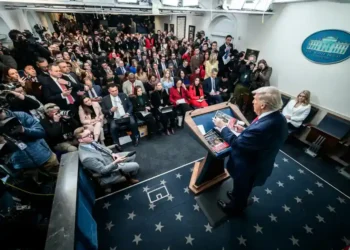
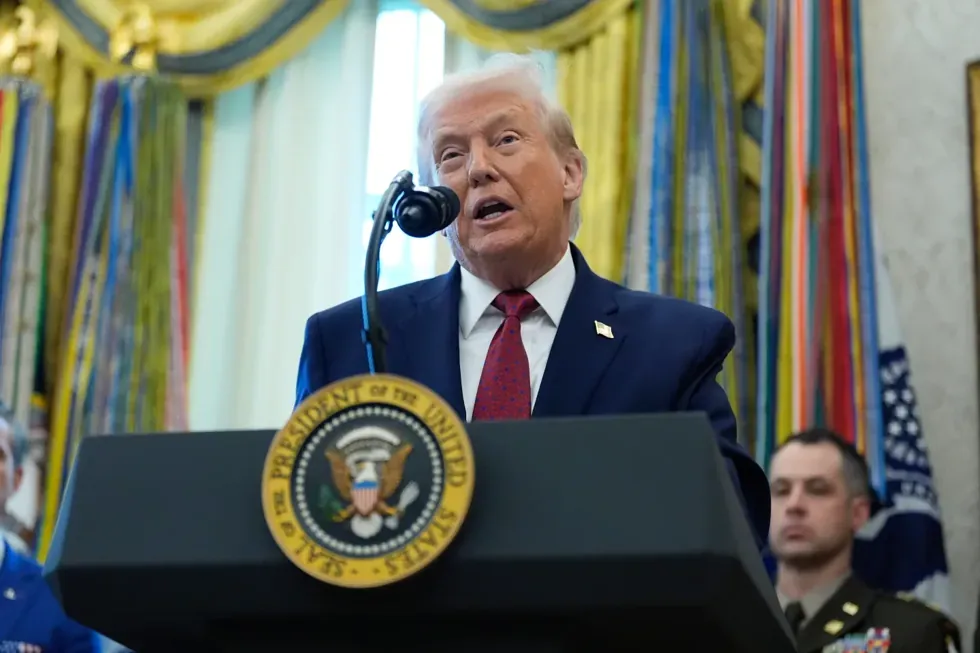
Speaking in the Oval Office earlier Monday, Trump said the broadcaster had effectively inserted language he never intended.


“They actually put terrible words in my mouth having to do with Jan. 6 that I didn’t say,” the president said, adding that his speech emphasized patriotism and peaceful protest.
Institutional Fallout Inside the BBC
The controversy has already triggered internal consequences at the BBC.
The broadcaster issued an apology last month, with chairman Samir Shah describing the edit as an “error of judgment.” The incident led to the resignations of the organization’s top executive and its head of news — a rare leadership shake-up for the 103-year-old institution.
Despite the apology, the BBC rejected claims that it defamed the president. The network has maintained that the editing decision did not meet the legal threshold for defamation.
Funded primarily through an annual license fee paid by British households that watch live television or BBC content, the broadcaster operates under a charter requiring editorial impartiality. That mandate frequently places it under intense scrutiny from political actors across the ideological spectrum.
Jurisdiction Questions Complicate the Case
Legal experts say the case could hinge on complex jurisdictional questions.
The documentary at the center of the dispute did not air on U.S. broadcast television, raising questions about whether an American court can establish sufficient grounds for defamation claims.
Trump’s lawsuit argues that U.S. audiences could access the content through the streaming platform BritBox or by using virtual private network services to view the BBC’s programming online.
Another factor shaping the legal strategy is timing. Deadlines for bringing defamation cases in British courts expired more than a year ago, leaving U.S. litigation as the remaining venue available to Trump’s legal team.
Narrative Battles Extend Beyond the Courtroom
The lawsuit also reflects a broader struggle over how the events surrounding the 2020 election and the Capitol attack continue to be interpreted in global media coverage.
The January 6 speech preceded the storming of the Capitol as Congress prepared to certify the victory of Joe Biden in the 2020 election — a result Trump has repeatedly disputed despite extensive court rulings rejecting claims of widespread fraud.
By targeting a major international broadcaster, Trump’s legal challenge signals an effort to contest how that period of American political history is framed beyond U.S. borders.
Whether the lawsuit advances or falters in court, the case is likely to intensify debates over editorial responsibility, political speech, and the legal exposure faced by global media organizations operating in an increasingly interconnected information environment.