LONDON (Journos News) – Global markets remained cautious on Thursday as rising oil prices linked to the Iran conflict weighed on investor sentiment, even as equities in Asia rebounded sharply after policy intervention in South Korea and renewed economic targets from China.
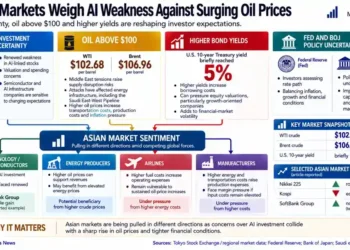
Brent crude traded near $83 per barrel after surging roughly 15% since recent U.S. and Israeli strikes on Iran, according to market data cited by Reuters. The energy spike has introduced renewed inflation concerns while adding pressure on currencies and bond markets, particularly in Europe.
Asian Markets Rebound After Policy Intervention
Equities across Asia recovered strongly following sharp losses earlier in the week. South Korea’s benchmark KOSPI index closed nearly 10% higher after President Lee Jae Myung activated a $68 billion market stabilization fund aimed at easing volatility triggered by the Middle East crisis.

Japanese equities also advanced, with the Nikkei 225 rising almost 2%. Chinese markets gained about 1% after Beijing reaffirmed a 4.5%–5% economic growth target as part of its broader economic planning.
The rebound reflected investor response to direct policy intervention and renewed growth guidance rather than a shift in geopolitical risk.
European Shares Stabilize Despite Energy Concerns
European equities edged higher later in the session after initial declines, with the pan-European STOXX benchmark reversing modest losses as reports circulated about potential diplomatic channels between Iran and the United States.
Market sentiment improved following media reports suggesting Iranian intelligence had contacted the CIA regarding possible paths toward de-escalation. However, an Iranian intelligence ministry source later rejected those claims.
Despite the equity stabilization, European currencies and government bonds remained under pressure as energy prices continued to climb.

Oil Markets Reflect Supply Risk
Energy markets remain the central driver of global financial sentiment. Brent crude briefly reached $84.25 per barrel before easing slightly in London trading.
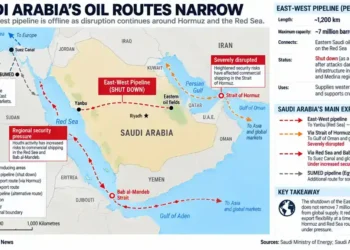
Ship-tracking data indicates roughly 300 oil tankers are currently located within the Strait of Hormuz, while maritime traffic through the strategic chokepoint has slowed significantly following the outbreak of hostilities.
Market participants are also assessing policy responses from Washington. U.S. Energy Secretary Chris Wright said the market impact of the conflict would represent a “small price” to achieve military objectives, according to public remarks cited by Reuters.
Bond Yields Rise as Inflation Concerns Resurface
Higher energy prices are influencing expectations for global monetary policy. Analysts noted that surging oil and natural gas prices could complicate interest-rate easing cycles currently anticipated by markets.
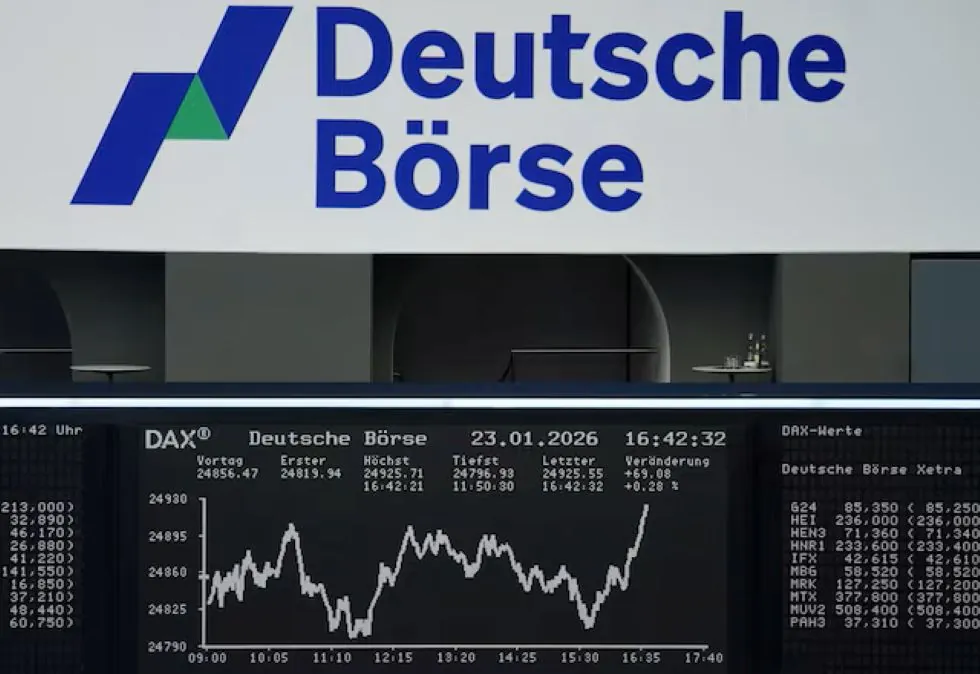
The yield on the U.S. 10-year Treasury rose roughly four basis points to about 4.12%. European sovereign bond markets also weakened, placing Germany’s benchmark Bund on track for its steepest weekly sell-off in roughly a year.
Currency markets reflected similar caution. The U.S. dollar index rose about 0.2% to 98.9, while the euro slipped to around $1.1610 and the Japanese yen weakened to roughly 157 per dollar.
Central Bank Outlook in Focus
Central bank commentary remains closely watched as investors evaluate how energy shocks could influence inflation forecasts.
European Central Bank President Christine Lagarde and other policymakers are scheduled to speak later in the day. Investors will monitor their remarks for signals about how the geopolitical situation may factor into monetary policy decisions.
Germany’s Bundesbank President Joachim Nagel warned that a prolonged conflict involving Iran could increase inflationary pressures and weigh on economic growth, though he said it was too early to determine the full impact.
Strategists at Commerzbank noted that recent market developments could influence the European Central Bank’s March economic projections, depending on how long the geopolitical tensions persist.