As rates of cardiovascular disease, type 2 diabetes and metabolic disorders continue to climb globally, nutrition researchers are increasingly focused on foods that deliver measurable physiological benefits. Rather than emphasizing restrictive diets, scientists are identifying nutrient-dense whole foods that improve cholesterol profiles, reduce inflammation and strengthen gut and vascular function.
Recent analyses of more than 1,000 raw foods ranked those offering the highest balance of essential nutrients per calorie, reinforcing that some widely available ingredients may have disproportionate protective effects. The evidence suggests that targeted additions to daily meals — rather than dramatic overhauls — may significantly influence long-term cardiometabolic risk.
Below are seven foods supported by clinical and laboratory research, with evidence pointing to tangible benefits for heart, metabolic and neurological health.

Cholesterol Reduction and Gut Health Gains Linked to Almond Intake
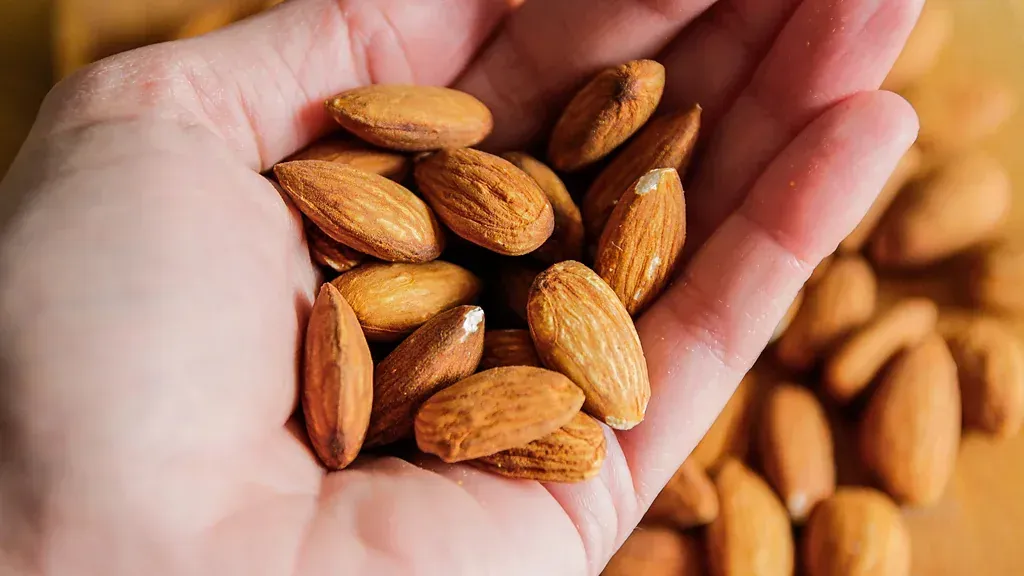
Almond consumption has been repeatedly associated with improvements in lipid profiles and gut microbiome activity. In a controlled study involving 77 adults with elevated chronic disease risk, participants consuming 320 calories of almonds daily for 12 weeks experienced reductions in LDL (“bad”) cholesterol, lower inflammatory markers and measurable improvements in gut health.
A separate 2022 study of 87 adults found that both whole and ground almonds increased intake of monounsaturated fats, fibre and potassium. Notably, almond consumption raised levels of butyrate — a short-chain fatty acid that nourishes colon cells and supports intestinal barrier integrity.
Researchers also observed modest increases in bowel regularity among whole-almond consumers, suggesting additional digestive benefits.
Swiss Chard’s Circulatory Benefits May Support Healthy Ageing
Swiss chard contains dietary nitrates that the body converts into nitric oxide — a molecule critical for blood vessel dilation and circulatory efficiency. According to William Li, president of the Angiogenesis Foundation, this process can support blood pressure regulation and vascular repair.
Beyond nitrates, Swiss chard provides polyphenols such as quercetin and kaempferol, along with magnesium, vitamin K and lutein. These compounds are linked to antioxidant activity, cellular energy production and maintenance of eye and brain health.




Researchers caution that overboiling may reduce nutrient density, recommending light cooking to preserve bioactive compounds.
Watercress Shows Anti-Inflammatory and Potential Anti-Cancer Activity
Watercress, a member of the brassica family, is dense in vitamins B, C and E, as well as calcium and magnesium. It also contains phenethyl isothiocyanate, a compound studied for its ability to slow cancer cell proliferation in laboratory settings.
Regular consumption has been associated with lower inflammatory markers and reductions in unhealthy cholesterol levels. A 2018 psychiatric nutrition study ranked watercress among the most nutrient-dense plant foods associated with mood-supportive properties, though broader clinical confirmation is still needed.
Its lutein and beta-carotene content also supports eye and immune function.
Beetroot Leaves May Offer Untapped Cholesterol-Lowering Potential
While beetroot is widely consumed, Beetroot leaves are often discarded despite their nutrient concentration. Researchers from the Universidade Estadual de Campinas have reported that beet greens contain higher protein and mineral levels than the root, alongside phenolic compounds with antioxidant properties.
In a 2019 clinical study of overweight adults with elevated LDL cholesterol, supplementation with freeze-dried beet leaves over four weeks was associated with LDL reductions.
Laboratory simulations of digestion showed that antioxidant activity remains detectable after breakdown in the small intestine. However, researchers emphasize that full confirmation of bioavailability requires further human studies examining the complete digestive process.
Ground Chia Seeds Improve Omega-3 Absorption
Chia seed are rich in fibre, alpha-linolenic acid (a plant-based omega-3), and phenolic compounds. These nutrients have been linked to improved blood pressure, cholesterol balance and glycaemic control.
However, laboratory research from the University of Adelaide suggests that consuming chia seeds whole may limit nutrient absorption. The seeds’ fibrous outer mucilage can trap omega fats inside, allowing them to pass through the digestive system largely intact.
Grinding chia seeds appears to increase omega-3 bioavailability, potentially enhancing their cardioprotective effect.
Pumpkin Seeds Show Neuroprotective Signals in Experimental Studies
Pumpkin seed contain polyunsaturated and monounsaturated fatty acids, including linoleic and oleic acids, associated with cardiovascular protection.
A 2025 experimental study involving 50 rats found that both raw and roasted pumpkin seed supplementation improved anxiety-related behaviour, cognition and memory markers. Roasted seeds demonstrated stronger effects, possibly due to improved nutrient bioavailability after heat exposure.
While animal data cannot be directly extrapolated to humans, the findings add to growing evidence linking seed-based fats and antioxidants with neurological resilience.
Dandelion Greens Provide Micronutrients and Anti-Inflammatory Compounds
Dandelion greens are rich in vitamins A, C, E and K, along with minerals including calcium and magnesium. They also contain phenolic acids and flavonoids associated with anti-inflammatory and potential anti-cancer activity in laboratory research.
Some observational studies suggest possible cardiovascular benefits, though systematic reviews indicate that human evidence remains limited.
Widely consumed in salads, soups and herbal preparations, dandelion greens represent a low-cost source of micronutrients in regions where they grow abundantly.
Public Health Implications: Incremental Dietary Shifts Matter
The broader public health message emerging from these findings is not about “superfoods,” but about nutrient density and accessibility. Many of these ingredients are affordable and widely available, yet underutilized due to culinary habits or preparation methods.
Health authorities continue to emphasize dietary fibre intake, plant-based fats and antioxidant-rich vegetables as cornerstones of chronic disease prevention. Integrating small quantities of these foods into routine meals may support measurable improvements in cardiovascular and metabolic markers over time.
Further randomized human trials will be essential to quantify long-term impact, optimal portion sizes and population-specific benefits. For now, the evidence suggests that modest dietary diversification remains one of the most practical tools in preventive medicine.