As millions of people gather for the holidays, another seasonal presence is spreading across the United States: influenza.
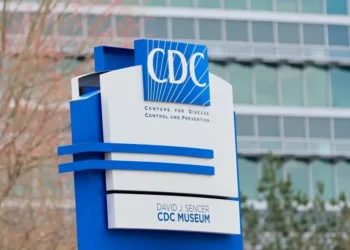
Flu activity is rising nationwide, according to the U.S. Centers for Disease Control and Prevention. In the week ending December 13, about 4% of visits to health care providers involved respiratory illnesses, and nearly 10,000 patients were hospitalized with influenza. The CDC has also reported three flu-related deaths among children so far this season.
With infections increasing, many families are facing practical questions about illness during a period defined by travel and close contact. Health experts say early testing, timely treatment, and avoiding gatherings while sick can reduce transmission and help prevent severe outcomes.

When should you take a flu test?
Doctors advise taking a flu test as soon as symptoms appear, especially for people at higher risk of complications.
Several over-the-counter flu tests are available in the United States. Most use a nasal swab and can be taken at home, similar to COVID-19 tests. Early testing helps doctors decide whether antiviral treatment may be needed.
High-risk groups include adults aged 65 and older, young children, pregnant people, individuals with chronic medical conditions, and those with weakened immune systems. For these groups, early diagnosis can lower the risk of hospitalization.
Flu symptoms often begin suddenly. Common signs include fever, chills, headache, body aches, fatigue, and cough. If a home test is negative but symptoms worsen or feel severe, doctors recommend follow-up testing through a clinic or urgent care center. A confirmed diagnosis also helps distinguish flu from other illnesses, such as COVID-19, which may require different treatment.
When should antiviral treatment begin?
Prescription antiviral drugs, including oseltamivir (Tamiflu) and baloxavir (Xofluza), work best when started early.
Health experts recommend beginning treatment within 48 hours of symptom onset whenever possible. Antivirals can still offer benefits after that window, especially for people at higher risk, but their effectiveness is greatest in the first two days.
People who think they may have influenza should contact a health care provider promptly rather than waiting for symptoms to worsen.
How long should you avoid contact with others?
People with flu should stay home and limit contact with others as soon as symptoms appear. The virus can spread a day before symptoms begin and remain contagious for several days.
The CDC says people can return to normal activities after they have been fever-free for at least 24 hours without medication and when symptoms are improving. For most people, this means staying home for at least four to five days. Children and some adults may remain contagious for up to a week.
Wearing a mask can lower the risk of spreading the virus, but experts say masks alone are not enough during close holiday gatherings. Shared meals, hugging, and indoor spaces all increase the chance of transmission.
Should you attend gatherings if you feel sick?
Medical guidance is clear: people with flu symptoms should avoid social gatherings, even if symptoms seem mild.
Health experts warn that family settings make transmission more likely. Masks are often removed, and close contact is common. Staying home while sick helps protect older adults, infants, and people with underlying health conditions.
What precautions should household members take?
When someone in a household has influenza, other members can reduce their risk by taking simple precautions.
Doctors recommend frequent handwashing, disinfecting shared surfaces, and limiting close contact with the sick person. When possible, the infected individual should rest in a separate room and use a separate bathroom.
Good airflow and consistent hygiene can further reduce the risk of spread inside the home.
Can antivirals prevent illness after exposure?
In some cases, doctors may prescribe antiviral medications to people who have been exposed to influenza but do not yet have symptoms. This approach is most common for people at higher risk of complications.
Preventive treatment with oseltamivir usually lasts seven to ten days. Baloxavir may be given as a single dose for eligible adults and children aged five and older. Doctors may consider this option when a high-risk person has close contact with someone who later tests positive.
When should medical care be urgent?
Most people recover from influenza at home. However, worsening symptoms should prompt medical evaluation, especially for those in high-risk groups.
Warning signs include trouble breathing, chest pain, coughing up blood, confusion, severe weakness, dehydration, persistent high fever, or seizures. Fevers of 103°F (39.4°C) or higher, or fevers lasting more than three days, also require prompt attention.
Doctors encourage patients to discuss in advance which symptoms should trigger urgent care or hospitalization.
Is it still worth getting a flu shot?
Doctors say it is not too late to get a seasonal flu vaccine.
The flu shot lowers the risk of severe illness, hospitalization, and death, even if it does not prevent every infection. The vaccine protects against several influenza strains expected to circulate this season.
Health professionals continue to recommend vaccination as the most effective way to reduce flu-related disruptions during the winter months, especially as families travel and gather.
This article was rewritten by JournosNews.com based on verified reporting from trusted sources. The content has been independently reviewed, fact-checked, and edited for accuracy, neutrality, tone, and global readability in accordance with Google News and AdSense standards.
All opinions, quotes, or statements from contributors, experts, or sourced organizations do not necessarily reflect the views of JournosNews.com. JournosNews.com maintains full editorial independence from any external funders, sponsors, or organizations.
Stay informed with JournosNews.com — your trusted source for verified global reporting and in-depth analysis. Follow us on Google News, BlueSky, and X for real-time updates.