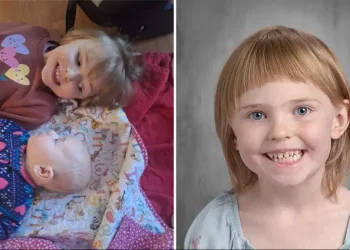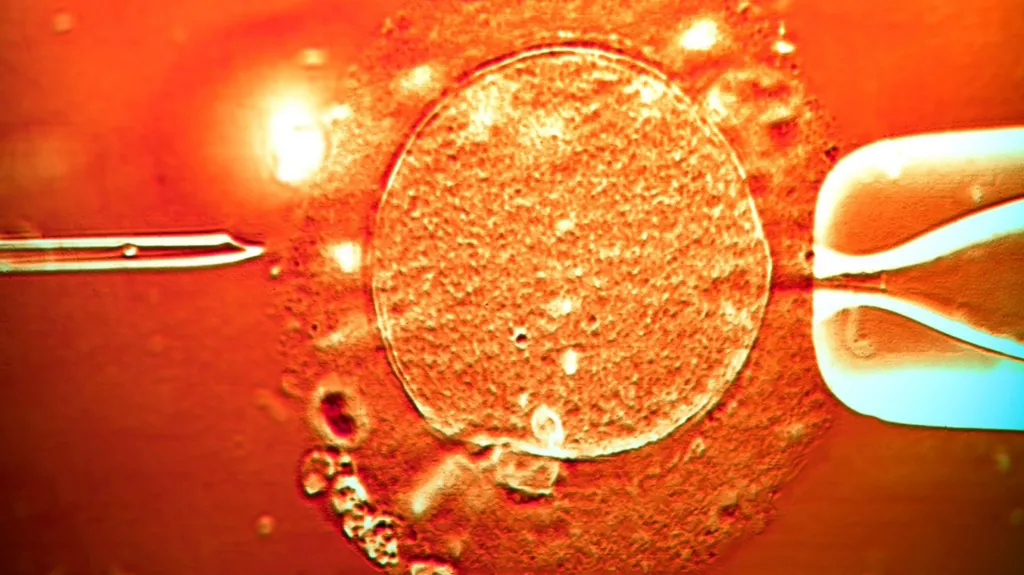
A sperm donor carrying a rare genetic mutation that sharply increases cancer risk has fathered at least 197 children in Europe, according to a major investigation by 14 public service broadcasters, including the BBC. Some children have already died, and experts warn that those who inherit the mutation may face lifelong cancer risks.
While the donor’s sperm was not officially supplied to UK fertility clinics, a small number of British families reportedly received treatment in Denmark using his donations. Authorities have since contacted those affected.
Long-Term Use of Donor Sperm Across Multiple Countries
The donor, who initially contributed sperm as a student in 2005, remained healthy and passed standard screening checks. However, a mutation in the TP53 gene—a key protector against cells turning cancerous—was present in approximately 20% of his sperm. Children conceived from sperm carrying this mutation inherit it in every cell of their body, dramatically increasing cancer risk.
The European Sperm Bank, which distributed the donations, confirmed the donor and his immediate family are not ill and noted that the mutation is not detectable through standard genetic screening. The bank blocked the donor immediately once the problem was discovered and expressed sympathy to affected families.
Children Diagnosed with Cancer
Medical professionals first raised concerns at the European Society of Human Genetics this year, identifying 23 children with the mutation among 67 known cases at the time, ten of whom had already been diagnosed with cancer. Freedom of Information requests and further interviews suggest the total number of children conceived via this donor may exceed 197, though the exact number who inherited the mutation is unclear.
Dr. Edwige Kasper, a cancer geneticist at Rouen University Hospital in France, described the situation as alarming. “We have some children that have already developed two different cancers, and some of them have already died at a very early age,” she said.
Parents like Céline, a single mother in France, face ongoing uncertainty. Her daughter, conceived with the donor’s sperm 14 years ago, carries the mutation. She recounted being contacted by her fertility clinic in Belgium to arrange genetic screening. “Cancer will be looming over us for the rest of our lives,” she said. “We don’t know when, which type, or how many, but we will face it if it comes.”
Widespread International Distribution and Regulatory Gaps
The donor’s sperm was used by 67 clinics in 14 countries. Although the UK did not import it directly, Danish authorities informed the Human Fertilisation and Embryology Authority (HFEA) that British women had traveled to Denmark for treatment using the donor’s sperm. Affected families have been notified.
There is currently no international law limiting the number of times a sperm donor’s samples can be used, though individual countries set their own thresholds. For example, Belgium restricts a single donor to six families; in this case, 38 women produced 53 children. In the UK, the limit is ten families per donor.
Peter Thompson, chief executive of the HFEA, noted that only a “very small number” of British families were affected and that they had been informed by the Danish clinic. Parents seeking guidance are advised to contact the fertility authority in the country where treatment was received.
Challenges of Genetic Screening in Sperm Donation
Experts emphasize that completely eliminating genetic risk is impossible. Prof. Allan Pacey, deputy vice president of the Faculty of Biology, Medicine and Health at the University of Manchester, noted that countries rely increasingly on large international sperm banks. “We only accept 1% or 2% of men who apply,” he explained. “If we tightened screening further, there would be no donors left.”
This case, alongside reports of donors fathering hundreds of children, has reignited discussions about donor limits. The European Society of Human Reproduction and Embryology recently suggested a maximum of 50 families per donor, primarily to reduce social and psychological complications for children with large numbers of half-siblings rather than to lower rare genetic disease risk.
Sarah Norcross, director of the Progress Educational Trust, highlighted potential emotional impacts: “We don’t fully understand the implications of having hundreds of half-siblings. It can potentially be traumatic for children.”
Safety Measures and Parental Guidance
The European Sperm Bank stressed that most women and couples rely on donor sperm to have children and that screening according to medical guidelines generally makes the process safe. Cases like this are extremely rare.
Experts advise prospective parents to use licensed clinics, where donor sperm is screened more comprehensively. Prof. Pacey recommended asking whether a donor is local or international and how many times their sperm has been used.
Families affected by this case can access support services such as the BBC Action Line.
This article was rewritten by JournosNews.com based on verified reporting from trusted sources. The content has been independently reviewed, fact-checked, and edited for accuracy, neutrality, tone, and global readability in accordance with Google News and AdSense standards.
All opinions, quotes, or statements from contributors, experts, or sourced organizations do not necessarily reflect the views of JournosNews.com. JournosNews.com maintains full editorial independence from any external funders, sponsors, or organizations.
Stay informed with JournosNews.com — your trusted source for verified global reporting and in-depth analysis. Follow us on Google News, BlueSky, and X for real-time updates.