


Journos News - Breaking News, World News, Top Stories, Todays Headlines and Flash Reports
Wednesday, July 15, 2026
  • Login
  • Home
  • World
    • Africa
    • Americas
    • Asia
    • Europe
    • Middle East
    • Oceania
  • Politics
  • Business
  • Technology
  • Health
  • Science
  • Sports
  • Entertainment
  • Culture
No Result
View All Result
  • Home
  • World
    • Africa
    • Americas
    • Asia
    • Europe
    • Middle East
    • Oceania
  • Politics
  • Business
  • Technology
  • Health
  • Science
  • Sports
  • Entertainment
  • Culture
No Result
View All Result
Journos News - Breaking News, World News, Top Stories, Todays Headlines and Flash Reports
No Result
View All Result
Home Health General Health Coverage

US Organ Donation System Under Review After Shocking Near-Miss Cases in Kentucky

Federal Probe Uncovers Alarming Mistakes in Kentucky Organ Donation Process

The Daily Desk by The Daily Desk
June 15, 2026
in General Health Coverage, Health
0
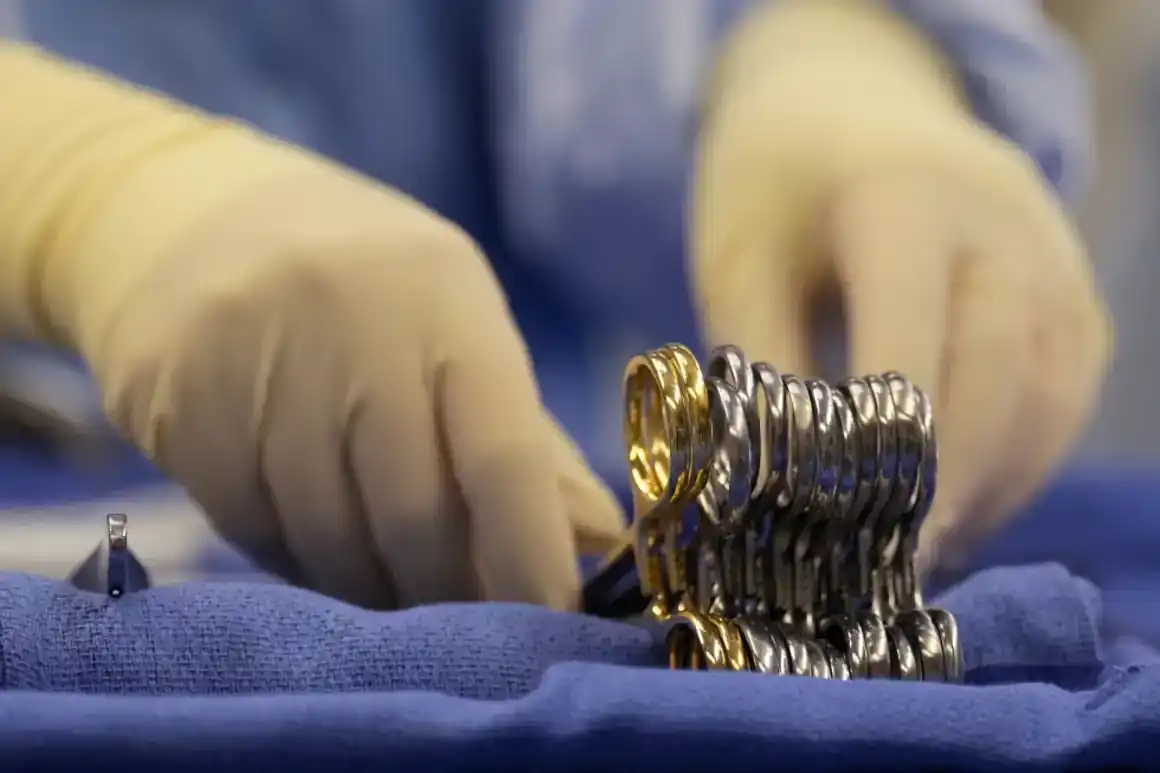
US Transplant System Faces Scrutiny After Kentucky Patient Nearly Donated Alive - AP Photo/Mark Humphrey, File

Near-Miss in Kentucky Sparks Federal Oversight of Organ Transplant Network - AP Photo/Mark Humphrey, File

U.S. Organ Donation System Under Review After Shocking Near-Miss Cases in Kentucky

The U.S. government is making changes to how organ donations are handled after a troubling investigation. A donation group in Kentucky reportedly continued organ recovery plans for patients who still showed signs of life. The cases raised serious questions about safety and trust in the nation’s transplant system.

Now, Congress is looking into how to prevent similar mistakes and restore public confidence in organ donation — a system that saves thousands of lives each year.

What Sparked the Investigation

The controversy began in 2021 when a Kentucky-based organ donation group reportedly pressured a hospital to proceed with withdrawing life support from a man who had overdosed — even though he was showing signs of waking up.

Thankfully, a doctor noticed the man moving and moaning before the organ retrieval surgery started. The procedure was stopped, and the man survived.

The case was part of a larger federal investigation launched last fall. That investigation uncovered a “concerning pattern of risk” in how the Kentucky organization handled dozens of potential donors. In most cases, plans to recover organs began too early — especially at small or rural hospitals with less experience in organ donation procedures.

RELATED POSTS

Why Scratching Bug Bites Makes Them Worse, According to New Research

WHO Launches Clinical Trial of Two Ebola Treatments as Congo’s Bundibugyo Outbreak Grows

New Jersey Targets Employers With New Medicaid Fee as Other States Consider Similar Policies

Medicaid Work Requirement Guidance Raises Concerns for Patients With Chronic Illnesses

Extreme Weather Anxiety on the Rise as Experts Urge Preparedness and Support

Genomic Test Could Help Millions of Breast Cancer Patients Avoid Chemotherapy

Why It Matters

Organ donations are critical. More than 100,000 people in the U.S. are waiting for a transplant, and an average of 13 die each day without one. But only a small number of deaths qualify for donation — about 1% — making every potential donor extremely important.

That’s why trust in the system matters. After hearing about these near-miss cases, some people have removed themselves from organ donor registries, according to lawmakers.

“We have to get this right,” said Rep. Brett Guthrie, a Kentucky Republican who chairs the House Energy and Commerce Committee. His own mother died while waiting for a liver transplant. Guthrie said he’s staying on the donor registry and wants people to feel confident in the process.

How the Organ Transplant System Works

The U.S. transplant process is complex and involves multiple parties:

  • Hospitals care for patients who may become donors.
  • Organ procurement organizations (OPOs) — 55 in total — handle the recovery of organs and help match them to recipients.
  • Transplant centers decide if organs are a good match for patients in need.
  • Two government agencies — HRSA and CMS — oversee different parts of the system.

When someone is declared brain-dead or doctors and family decide to withdraw life support, the hospital must notify its local OPO. From that point, donation planning begins — but the OPO cannot influence the decision to stop life support.

Types of Organ Donation

There are two main ways people become donors:

  1. Brain Death Donation:
    This is the most common. It happens after a person has no brain activity but their body is kept alive by machines. Organs are retrieved while blood is still flowing.
  2. Circulatory Death Donation (DCD):
    This is becoming more common. It happens when a person’s heart stops after life support is withdrawn. Doctors wait at least five minutes to confirm the heart doesn’t restart before declaring death.

Organs must be recovered quickly after death, usually within two hours, or they can’t be used.

What Went Wrong in Kentucky

The Kentucky OPO reportedly began prepping for donation before it was clear the patients were actually dead or beyond recovery. While no organs were removed inappropriately, federal investigators said planning began too early in some cases, especially in hospitals without much experience in donation protocols.

One of the key concerns is how donation organizations work with hospital staff and when they should pause or stop the process if the patient’s condition changes.

The Health Resources and Services Administration (HRSA) now wants clearer guidelines to prevent these risks. One proposal: allow anyone — family, hospital staff, or OPO personnel — to halt the donation process at any point if something seems off.

Changes Already Underway

The Kentucky donation group at the center of the investigation, known as Kentucky’s Network for Hope, says it has already made improvements:

  • All hospital staff now receive a checklist on how to care for possible donors and how to pause the process when concerns arise.
  • A new system lets anyone — anonymously — report complaints or concerns.

Barry Massa, who leads the Kentucky group, told Congress that donation teams are not involved in life-or-death decisions. “We are not even in the room at that time,” he said.

Even after the patient is declared dead, OPOs don’t provide hands-on care. Their role is to gather information, talk with the family, and coordinate with transplant centers — all while hospital staff continue to care for the patient until organs are retrieved.

What’s Next

Congress and federal health agencies say they want better collaboration and oversight moving forward. HRSA has already told the national transplant network to improve how OPOs communicate with hospitals — especially when the patient’s condition changes or if any uncertainty arises.

Dr. Raymond Lynch, who works with HRSA, told lawmakers that donation after circulatory death is technically demanding and requires a close partnership between hospitals and OPOs.

“This isn’t about pointing fingers,” he said. “It’s about making sure families and patients are treated with respect — and that donated organs are handled responsibly.”

Conclusion

The recent investigation raised tough questions about how we manage organ donation in the U.S. While most donations are done safely and ethically, these cases show that even rare mistakes can erode public trust.

Officials are promising reforms to make the system safer, more transparent, and easier to understand — because every donor matters, and every transplant can mean a second chance at life.

Source: AP News – US organ donation system faces scrutiny and changes after reports of disturbing near-misses

Tags: #CongressOrganHearing#DonationAfterDeath#FederalOrganInvestigation#HospitalDonationProtocols#HRSAOversight#KentuckyOrganCase#NearMissTransplants#OrganDonationEthics#OrganDonationReform#OrganProcurementRules#OrganRetrievalPolicy#USTransplantSystem
The Daily Desk

The Daily Desk

The Daily Desk is a contributor at JournosNews.com covering politics, media, governance, and the evolving dynamics of public discourse. Stories published under this byline are produced in accordance with JournosNews' editorial standards, with an emphasis on verified reporting, accuracy, context, and impartiality.

Related Posts

Why Scratching Bug Bites Makes Them Worse, According to New Research

by The Daily Desk
July 3, 2026
0
Person scratching a mosquito bite on their arm outdoors - AP Photo/Rick Bowmer, File

WASHINGTON - Many people instinctively scratch a mosquito bite, poison ivy rash, or other itchy skin irritation for immediate relief....

Read moreDetails

WHO Launches Clinical Trial of Two Ebola Treatments as Congo’s Bundibugyo Outbreak Grows

by The Daily Desk
July 3, 2026
0
Healthcare workers at an Ebola treatment center during Congo clinical trial - AP Photo/Moses Sawasawa, File

The World Health Organization (WHO) has launched a clinical trial in the Democratic Republic of Congo to evaluate two potential...

Read moreDetails

New Jersey Targets Employers With New Medicaid Fee as Other States Consider Similar Policies

by The Daily Desk
July 2, 2026
0
New Jersey State House as lawmakers approve Medicaid employer fee policy - AP Photo/Seth Wenig, File

New Jersey has become the latest state to require certain employers to help offset Medicaid costs by introducing a new...

Read moreDetails

Medicaid Work Requirement Guidance Raises Concerns for Patients With Chronic Illnesses

by The Daily Desk
June 15, 2026
0
Patient reviewing Medicaid coverage requirements after federal policy changes - AP Photo/Rebecca, Blackwell, File

NEW YORK - Patients living with serious health conditions and disabilities may face new challenges proving they qualify for exemptions...

Read moreDetails

Extreme Weather Anxiety on the Rise as Experts Urge Preparedness and Support

by The Daily Desk
June 15, 2026
0
Residents facing severe weather prepare emergency plans to reduce stress - AP Photo/Gerald Herbert

As hurricanes, wildfires, floods, tornadoes and other extreme weather events become increasingly common, mental health experts are drawing attention to...

Read moreDetails

Genomic Test Could Help Millions of Breast Cancer Patients Avoid Chemotherapy

by The Daily Desk
June 15, 2026
0
Researcher reviewing breast cancer genomic testing results in laboratory - Credit: Getty Images

Millions of people with hormone-sensitive breast cancer may be able to avoid chemotherapy without reducing their chances of remaining cancer-free,...

Read moreDetails

Why Brain Freeze Continues to Fascinate Scientists Beyond the Ice Cream Cone

by The Daily Desk
June 15, 2026
0
Person experiencing brain freeze after eating ice cream quickly - Credit: Getty Images

Why Brain Freeze May Reveal More About the Brain Than Ice Cream Scientists say the common cold-triggered headache offers clues...

Read moreDetails

France Permits Healthy Cruise Passengers to Disembark After Gastrointestinal Illness Outbreak

by The Daily Desk
May 15, 2026
0
Cruise ship passengers disembarking after gastroenteritis outbreak in France - AP Photo/Caroline Blumberg

French authorities allowed asymptomatic passengers to leave a cruise ship near Bordeaux after a gastrointestinal illness outbreak sickened hundreds aboard...

Read moreDetails

Global Health Coordination Intensifies After U.S. Passenger Tests Positive for Hantavirus

by The Daily Desk
June 15, 2026
0
Passengers evacuated from MV Hondius during hantavirus containment operation - AP Photo

A U.S. passenger evacuated from the Dutch-operated cruise ship MV Hondius after a hantavirus outbreak has tested mildly positive for...

Read moreDetails
Load More
Next Post
AI Fraud Alert: Sam Altman Says Voiceprint Security Has Been Defeated - AP Photo/Mark Schiefelbein

Sam Altman Warns AI Voice Cloning Could Trigger Major Bank Fraud Crisis

AI Companions Are Shaping Teen Friendships: A Guide for Parents - AP Photo/Katie Adkins

Teens Are Talking to AI Companions—Here’s What Parents Should Know Now

Typhoon Wipha Can’t Stop This Wedding: A Flooded Ceremony in the Philippines - AP Photo/Aaron Favila

Rain or Shine: Bride Walks Through Flooded Aisle in Malolos Wedding

JournosNews logo

Journos News delivers globally neutral, fact-based journalism that meets international media standards — clear, credible, and made for a connected world.

  • Categories
  • World News
  • Politics
  • Business & Markets
  • Technology
  • Health
  • Science
  • Sports
  • Arts & Culture
  • Resources
  • Editorial Standards
  • Submit a Story
  • Advertise with Us
  • Syndication & Partnerships
  • Site Map
  • Press & Media Kit
  • Editorial Team
  • Careers

Join thousands of readers receiving the latest updates, tips, and exclusive insights straight to their inbox. Never miss an important story again.

  • About Us
  • Editorial & Trust Center
  • Contact Us
  • Privacy Policy
  • Terms of Use & Copyright Notice

© JournosNews.com All rights reserved.

Welcome Back!

Login to your account below

Forgotten Password?

Retrieve your password

Please enter your username or email address to reset your password.

Log In
JournosNews

Independent Journalism.
Verified Facts.

You're about to read a professionally edited article from JournosNews.com.

Every article is produced in accordance with our editorial standards, emphasizing factual accuracy, transparent attribution, fairness, editorial independence, and meaningful context.

Editorial Standards
No Result
View All Result
  • Home
  • World
    • Africa
    • Americas
    • Asia
    • Europe
    • Middle East
    • Oceania
  • Politics
  • Business
  • Technology
  • Health
  • Science
  • Sports
  • Entertainment
  • Culture

© JournosNews.com All rights reserved.

This website uses cookies. By continuing to use this website you are giving consent to cookies being used. Visit our Privacy and Cookie Policy.
