U.S. recommends ban on potent kratom compound in energy drinks and supplements
Written: July 30, 2025 – 14:00 EDT
U.S. health regulators are seeking to curb the growing use of a potent kratom-derived chemical increasingly found in gas station supplements, citing concerns over public health and its opioid-like effects. The move comes after pressure from both within the supplement industry and public health advocates calling for tighter oversight.
What is 7-hydroxymitragynine and why is it under scrutiny?
The substance at the center of the U.S. Food and Drug Administration’s (FDA) latest crackdown is 7-hydroxymitragynine (7-OH), a powerful compound derived from Mitragyna speciosa, commonly known as kratom. Native to Southeast Asia, kratom has traditionally been used in small doses as a stimulant or pain reliever. However, in the U.S., it has gained popularity in recent years as an unapproved remedy for conditions such as chronic pain, anxiety, and opioid withdrawal.

Unlike the natural kratom leaf, 7-OH is a concentrated and often synthetically enhanced form of the plant’s active compounds. The FDA warns that the chemical behaves like an opioid and, in some cases, may be stronger than morphine.
“7-OH is an opioid that can be more potent than morphine,” said FDA Commissioner Dr. Marty Makary in a statement. “We need regulation and public education to prevent another wave of the opioid epidemic.”
FDA recommends federal ban; DEA to decide next steps
In a report released on Tuesday, the FDA called for placing 7-OH on Schedule I of the Controlled Substances Act—the same category as heroin, LSD, and ecstasy. Schedule I is reserved for substances deemed to have no currently accepted medical use and a high potential for abuse.
The recommendation now heads to the Drug Enforcement Administration (DEA), which holds the authority to schedule or ban substances at the federal level. A national ban would require formal rulemaking, including public commentary and interagency review.
Importantly, the FDA emphasized that the action does not target natural kratom leaves, which are still legally available in many parts of the U.S., though not without controversy.
■ Related News




“This move is focused specifically on synthetic and highly concentrated derivatives like 7-OH,” the U.S. Department of Health and Human Services (HHS) clarified in its statement.
Growing use in convenience-store products raises alarms
7-OH is frequently found in over-the-counter supplements, including energy drinks, gummies, powders, and capsules marketed in gas stations and convenience stores. These products often lack FDA approval, are not evaluated for safety, and in some cases make unverified medical claims, such as treating arthritis, anxiety, or opioid withdrawal.
In June, the FDA issued warning letters to seven companies marketing such products, citing violations of federal rules. Regulators highlighted the health risks associated with the ingredient and flagged the lack of clinical data supporting its safety.
The FDA’s action follows increasing complaints from the dietary supplement industry itself. Some kratom sellers argue that synthetic or purified 7-OH poses a danger to consumers and undermines the credibility of the broader market.
Industry split: Regulation welcomed by some, opposed by others
Ryan Niddel, CEO of Diversified Botanics, a Utah-based kratom supplement company, praised the FDA’s move.
“The FDA demonstrated the exact kind of data-driven, proactive regulatory excellence needed to safeguard unwitting consumers across the U.S.,” Niddel said.
However, the issue has caused a rift within the kratom industry.
The American Kratom Association (AKA), a prominent lobbying group, has long advocated to keep kratom unregulated, pushing for legislation that would prevent the FDA from applying stricter rules than those used for standard food and supplements.
On the other hand, the Holistic Alternative Recovery Trust (HART), which supports access to 7-OH-based therapies, criticized the FDA’s move, suggesting it was influenced by market-driven motives.
“Big kratom trade groups have spent years blaming 7-OH for harms caused by their own unregulated products, because it threatens their market share,” the organization stated via email.
A history of federal resistance to kratom regulation
This is not the first time U.S. authorities have considered a ban on kratom or its derivatives. In 2016, the DEA proposed classifying kratom as a Schedule I drug, triggering widespread backlash. Public opposition, including a letter signed by more than 60 members of Congress, ultimately halted the ban.
Following the failed attempt, the FDA initiated a deeper investigation into kratom’s pharmacological effects. In 2018, the agency concluded that the plant contains multiple opioid-like compounds, supporting its potential for abuse and risk of addiction.
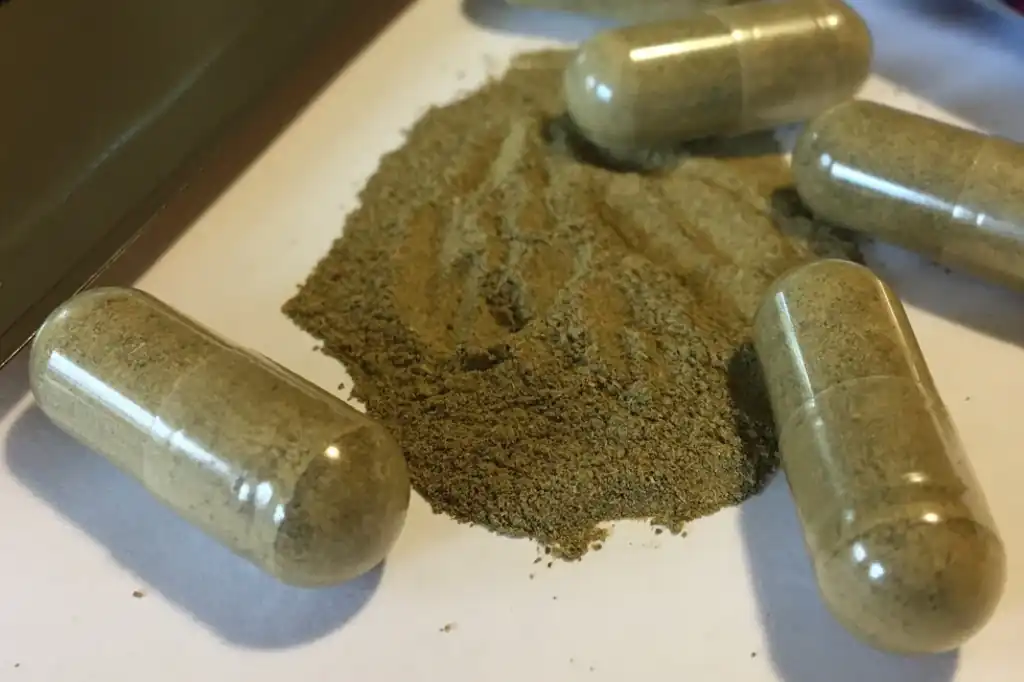
Since then, the FDA has continued to warn consumers about injuries, overdoses, and deaths linked to kratom supplements. These products, often sold in capsule or powder form, are widely accessible both online and in retail outlets, despite lacking FDA approval.
Broader crackdown on unapproved substances sold as supplements
The FDA’s actions against 7-OH are part of a wider campaign targeting unregulated substances sold under the guise of dietary supplements or energy boosters. In recent months, regulators have also issued warnings against products containing tianeptine, a substance sometimes called “gas station heroin.” Although banned in several states, tianeptine remains unregulated at the federal level.
By moving to ban 7-OH, health officials are aiming to get ahead of potential public health risks before they escalate further.
What happens next?
The DEA’s review process could take several months, involving public comment periods and scientific evaluation. In the meantime, the FDA continues to monitor the market and issue warnings to manufacturers selling unapproved or unsafe products.
Consumers are advised to check labels, avoid products claiming to treat medical conditions without FDA approval, and consult health professionals before using supplements containing kratom or its derivatives.
Final thoughts
As the U.S. continues to grapple with the long-lasting effects of the opioid epidemic, federal health officials appear determined to close regulatory loopholes and limit public exposure to potent, opioid-like compounds such as 7-OH. While natural kratom use remains contentious, the synthetic version’s potential for abuse and misuse has drawn sharp attention from regulators and public health advocates alike.
Source: AP News – US health officials crack down on kratom-related products after complaints from supplement industry