COP30 Ministers Confront Climate Crisis Amid Recent Disasters
As the United Nations COP30 climate conference enters its second week in Belém, Brazil, ministers from small island nations and developing countries delivered urgent appeals for decisive climate action. Their message was clear: global promises are not enough to prevent the catastrophic impacts of climate change on the most vulnerable populations.
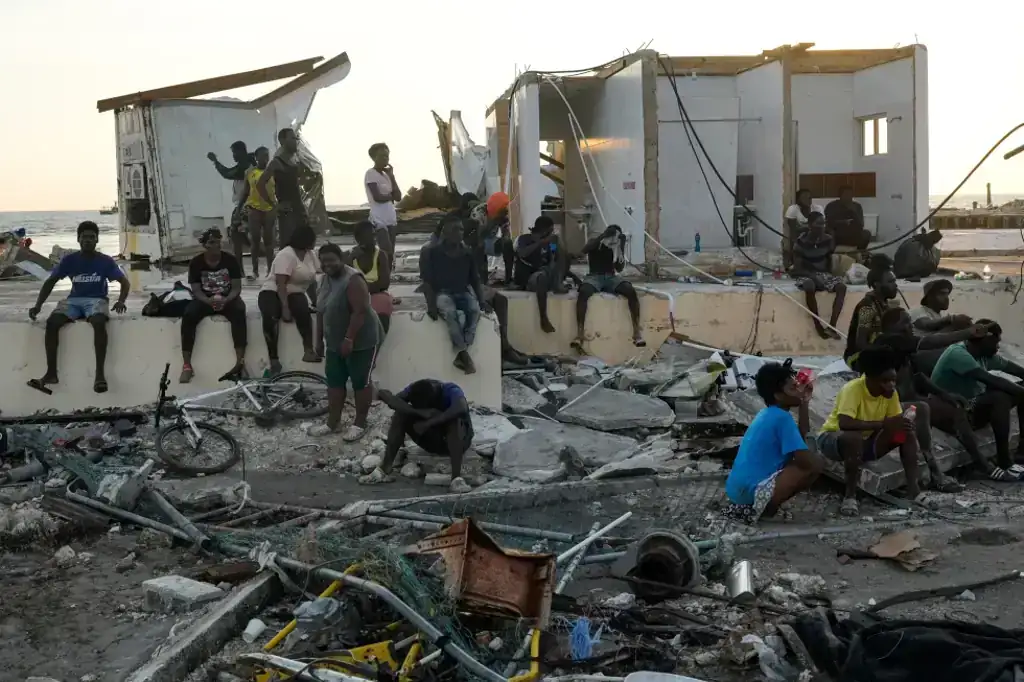
The call comes amid recent extreme weather events, including Hurricane Melissa, a Category 5 storm that devastated Jamaica and other Caribbean nations, highlighting the human and economic toll of rising global temperatures.
Hurricane Melissa and the Human Toll
Matthew Samuda, Jamaica’s Minister for Economic Growth, described the hurricane as a turning point. “Hurricane Melissa changed the life of every Jamaican in less than 24 hours,” he said, noting nearly $10 billion in damage and the displacement of hundreds of thousands.

Samuda emphasized that Jamaica, while minimally contributing to global emissions, faces the direct consequences of climate change. “We call on the global community, especially major emitters, to honor their commitments and safeguard the 1.5-degree Celsius threshold. This is survival. It’s about our people and their right to a safe and prosperous future.”
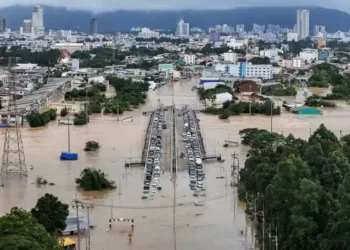
Cuba, similarly affected by flooding, urged immediate action. Armando Rodriguez Batista, Cuba’s Environment and Science Minister, warned, “Tomorrow it will be too late to do what we had to do a long time ago.”
Slow Progress Frustrates Vulnerable Nations
Many nations highlighted the gap between international climate promises and real-world action. Romanian Environment Minister Diana-Anda Buzoianu read a statement from flood victims: “I sit on the roof of the house all night, looking at neighbors, wondering whether the water will swallow us all.”
Seychelles Environment Minister Flavien Philomel Joubert added, “Promises alone will not hold back the rising seas.” The sentiment echoed across smaller, low-lying nations where daily life is directly threatened by sea-level rise and extreme weather events.
Legal Leverage and the 1.5-Degree Target
Earlier this year, the International Court of Justice ruled that climate change constitutes a planetary existential threat. Tuvalu’s Attorney-General Laingane Italeli Talia described the ruling as “leverage” to accelerate climate action at COP30.
“Science and law now converge to make the 1.5-degree target not just aspirational but a binding obligation,” said Tuvalu Environment Minister Maina Vakafua Talia. He warned that for small islands, exceeding this limit represents the difference between survival and permanent loss.
High-Level Diplomacy Takes Center Stage
COP30, fortified after earlier demonstrations, shifted this week to ministerial negotiations, granting participants greater authority to make binding political decisions. U.N. Climate Executive Secretary Simon Stiell emphasized the urgency: “The spirit is there, but the speed is not. The pace of change in the real economy has not been matched by these negotiating rooms.”
Brazilian Vice President Geraldo Alckmin echoed the warning, stating, “Each additional fraction of a degree of global warming represents lives at risk, greater inequality, and greater losses for those who contributed least to the problem.”
U.N. General Assembly President Annalena Baerbock cited recent disasters, including Hurricane Melissa and back-to-back typhoons in the Philippines, as evidence that the climate crisis is relentless and accelerating.
Financial Support and Emissions Targets
Vulnerable nations renewed calls for wealthier countries to fulfill financial commitments, highlighting the $300 billion annual pledge for climate aid established last year. Several ministers criticized existing national emissions-cutting plans as inadequate to limit warming to 1.5 degrees Celsius since pre-industrial times.
The Brazilian presidency of COP30 released a five-page summary outlining unresolved issues: enhancing national climate plans, addressing trade barriers linked to climate measures, and ensuring funding reaches the countries most at risk. Small island states advocated combining stronger emissions targets with concrete fossil fuel phase-out strategies.
A Moral Imperative
Mauritius Foreign Affairs Minister Dhananjay Ramful encapsulated the urgency: “Our very existence is at stake. A decade after the promises of the Paris Agreement, we realize that we have not done enough. Our planet demands action now.”
Ministers stressed that global climate action is not only a matter of survival for small nations but a responsibility for all countries, given the interconnected risks of rising seas, extreme weather, and global economic disruption.
Next Steps at COP30
Negotiators face pressing decisions on emissions targets, climate finance, and implementation mechanisms. The upcoming days will test whether the high-level ministers can translate rhetoric into measurable commitments and actionable plans. Observers note that with climate-related disasters intensifying, delay could have irreversible consequences.
This article was rewritten by JournosNews.com based on verified reporting from trusted sources. The content has been independently reviewed, fact-checked, and edited for accuracy, neutrality, tone, and global readability in accordance with Google News and AdSense standards.
All opinions, quotes, or statements from contributors, experts, or sourced organizations do not necessarily reflect the views of JournosNews.com. JournosNews.com maintains full editorial independence from any external funders, sponsors, or organizations.
Stay informed with JournosNews.com — your trusted source for verified global reporting and in-depth analysis. Follow us on Google News, BlueSky, and X for real-time updates.