As winter temperatures drop across much of the United States, pet owners face the challenge of keeping their animals safe and comfortable. Experts emphasize proactive preparation, including recognizing the signs of cold-related health risks, using weather-resistant accessories, and maintaining emergency supplies in case of storms or power outages.
“The best time to prepare for weather is before you have that weather,” said Dr. Michael Bailey, president of the American Veterinary Medical Association. “The same thing you would do for children in your house, do for your pet.”
Understanding Cold-Weather Risks
Cold weather can pose dangers to pets regardless of region. Even areas not traditionally known for harsh winters can experience low temperatures that threaten smaller, older, or health-compromised animals. Amy Hrin of the American Humane Society noted that a dog’s fur does not automatically protect it from extreme cold. Breed, size, age, and exposure to wind and moisture all influence vulnerability.

Dogs can be susceptible to frostbite when temperatures fall below 32 degrees Fahrenheit (0 degrees Celsius). Wet or damp fur further increases the risk to ears, tails, and paw pads. While frostbite itself is typically non-life-threatening, it can lead to hypothermia—a condition that can be fatal if untreated. Mild hypothermia may begin when a dog’s body temperature drops below 98 F (37 C), with signs including slowed reflexes, elevated heart rate, or shallow breathing. Immediate veterinary care, including gradual rewarming, is advised.
De-icing salts and chemical agents present additional hazards, potentially irritating paw pads or causing digestive issues if ingested. Protective measures include using booties, cleaning paws after walks, and applying paw balms. Antifreeze, which can be lethal even in small amounts, poses a severe risk due to its sweet taste that may attract pets. Symptoms of antifreeze ingestion include drooling, vomiting, lethargy, and seizures.
Keeping Pets Active in Winter
Despite cold weather, many dogs benefit from outdoor activity. High-energy breeds often enjoy winter sports, such as skijoring, which combines cross-country skiing with dog-powered movement, or canicross, which pairs running with dog pulling. Less intense options include snowshoeing, regular walks, and park visits, provided temperatures remain safe.
Maintaining a pet’s coat is crucial. Shaved, matted, or overly trimmed fur can reduce natural insulation. Indoor enrichment is essential when outdoor activity is limited. Ally Judkins of Hyde Park, Vermont, a dog rescue operator and animal control officer, uses puzzles, scent work, and indoor games to keep her nine dogs and four cats engaged during extreme cold spells. Frozen treat toys, filled with yogurt, peanut butter, or dog food, can occupy pets for extended periods while stimulating their minds.
Experts also recommend cognitive games, such as hide-and-seek, trick training, and scavenger hunts, to provide mental stimulation when animals are confined indoors.
Protective Accessories for Cold Weather
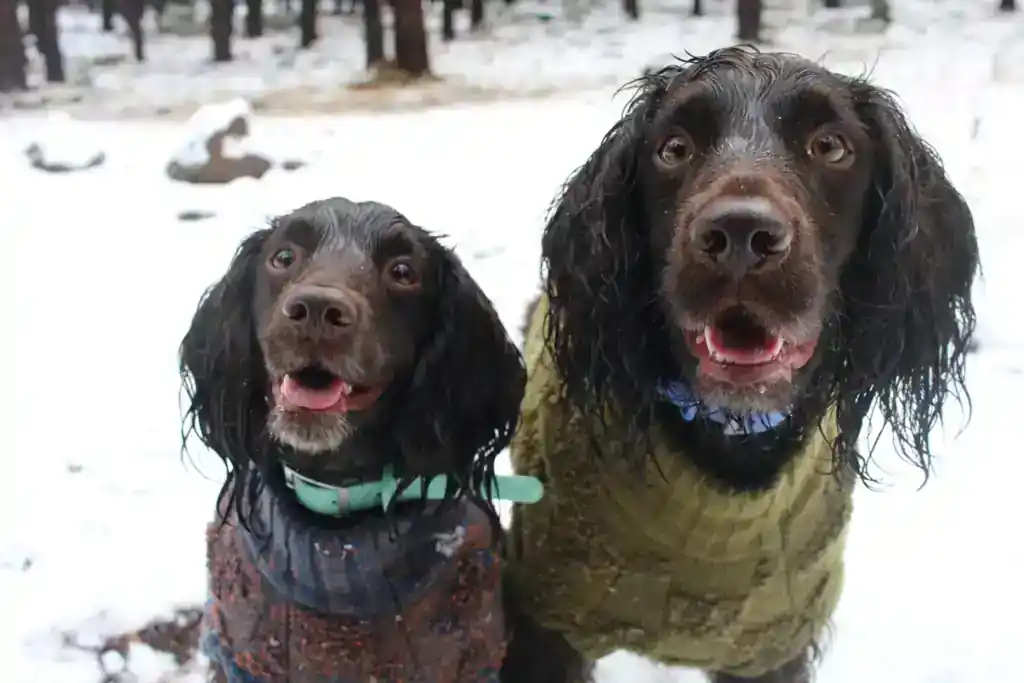
Young, elderly, or short-coated dogs, as well as those with chronic conditions, may require additional protection in winter. Dog boots and paw wax prevent frostbite, slipping, and injuries, while dog sweaters and jackets offer warmth and moisture resistance. High-quality outerwear should allow free movement, include reflective trim, and accommodate leash attachment points.
Deciding whether a pet needs clothing depends on breed, size, and individual tolerance. Hairless or toy breeds, as well as dogs whose bellies touch the ground, typically benefit most. Accessories such as rain caps can help prevent ear infections for floppy-eared dogs. Experts suggest gradually introducing clothing to ensure pets remain comfortable and associate it with positive experiences.
Winter Care Beyond Dogs
Cold-weather precautions extend to other pets, including cats, birds, reptiles, and livestock. Reptiles require reliable heat sources, ideally with backups in case of power failure. Pet birds should be kept away from fireplace or generator fumes and provided with adequate ventilation.
Microchipping is recommended for all pets, as snow and ice can obscure familiar scents and landmarks. Owners should ensure animals are secured to prevent accidental falls through thin ice, into snow-covered holes, or from elevated surfaces. Livestock, including animals with hooves, benefit from elevated or dry standing areas and supplemental feeding, as calorie requirements increase in winter. Heated water sources prevent dehydration and reduce the risk of frozen drinking water.
Dr. Bailey advises all pet owners to maintain an emergency kit with food, water, and medications, allowing animals to remain safe during power outages or extreme storms.
By taking these measures, pet owners can help their animals navigate winter safely, keeping them healthy, comfortable, and active despite the season’s challenges.
This article was rewritten by JournosNews.com based on verified reporting from trusted sources. The content has been independently reviewed, fact-checked, and edited for accuracy, neutrality, tone, and global readability in accordance with Google News and AdSense standards.
All opinions, quotes, or statements from contributors, experts, or sourced organizations do not necessarily reflect the views of JournosNews.com. JournosNews.com maintains full editorial independence from any external funders, sponsors, or organizations.
Stay informed with JournosNews.com — your trusted source for verified global reporting and in-depth analysis. Follow us on Google News, BlueSky, and X for real-time updates.