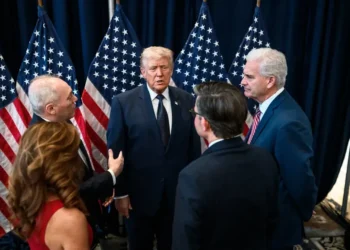
Global stock markets advanced while oil prices declined Monday after comments from U.S. President Donald Trump suggested negotiations aimed at ending the conflict involving Iran were moving forward, easing fears of prolonged disruptions to global energy supplies.
The shift in market sentiment helped lift equities across Europe and Asia, while benchmark crude prices retreated from recent highs. Investors have closely monitored geopolitical developments in the Middle East amid concerns that escalating tensions could threaten oil exports and intensify inflationary pressures across major economies.
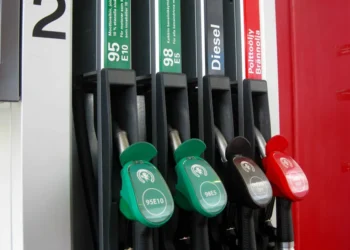
Brent crude, the international benchmark, fell more than 1% in early trading after rising sharply in previous sessions as traders assessed risks to regional supply routes. U.S. West Texas Intermediate crude also moved lower, according to market data. Analysts said the pullback reflected reduced expectations of immediate disruptions to energy infrastructure or shipping lanes.

Markets Respond to Easing Energy Concerns
European equities traded higher, with gains recorded across major indexes including Germany’s DAX and France’s CAC 40. Asian markets also posted advances, led by shares in Japan and South Korea as investors responded positively to signs of diplomatic engagement.
Futures tied to U.S. equities pointed to a firmer Wall Street open, while government bond yields remained relatively stable. Market participants said lower oil prices helped improve risk appetite, particularly for sectors sensitive to fuel and transportation costs.
According to market analysts, the decline in crude prices may temporarily ease inflation concerns that have complicated monetary policy decisions for central banks in the United States and Europe. Energy costs remain a major factor influencing consumer prices and industrial input expenses globally.
Trump Comments Influence Investor Sentiment
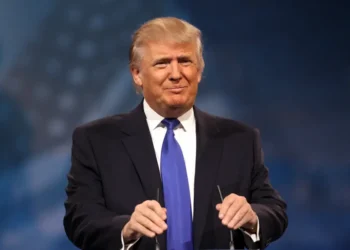
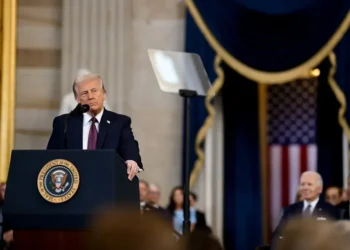
Investor optimism followed remarks from Trump indicating discussions related to ending the conflict were progressing. While details of the negotiations remained limited, financial markets interpreted the comments as a sign that broader regional escalation might be avoided.
Geopolitical tensions involving Iran have remained a central risk factor for global markets due to the country’s strategic role in global oil production and shipping routes near the Strait of Hormuz. Any disruption in the region could affect a significant share of global crude exports.
■ Related News


Industry analysts noted that commodity markets remain highly sensitive to political developments in the Middle East, especially as global oil inventories remain relatively tight in several regions.
Oil Volatility Continues to Shape Inflation Outlook
The recent swings in oil prices have added uncertainty for policymakers attempting to balance slowing economic growth with persistent inflation pressures. Central banks including the Federal Reserve System and the European Central Bank have closely monitored energy-driven price movements when assessing interest rate policy.
Lower crude prices could provide short-term relief for consumers and manufacturers, though analysts cautioned that geopolitical risks remain elevated. Traders are expected to continue reacting quickly to diplomatic developments, military activity, and supply data in the coming weeks.
Market strategists said investors are likely to remain cautious despite Monday’s rally, given the broader uncertainty surrounding global growth, trade conditions, and geopolitical stability.