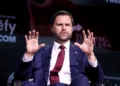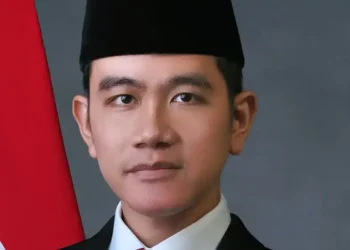
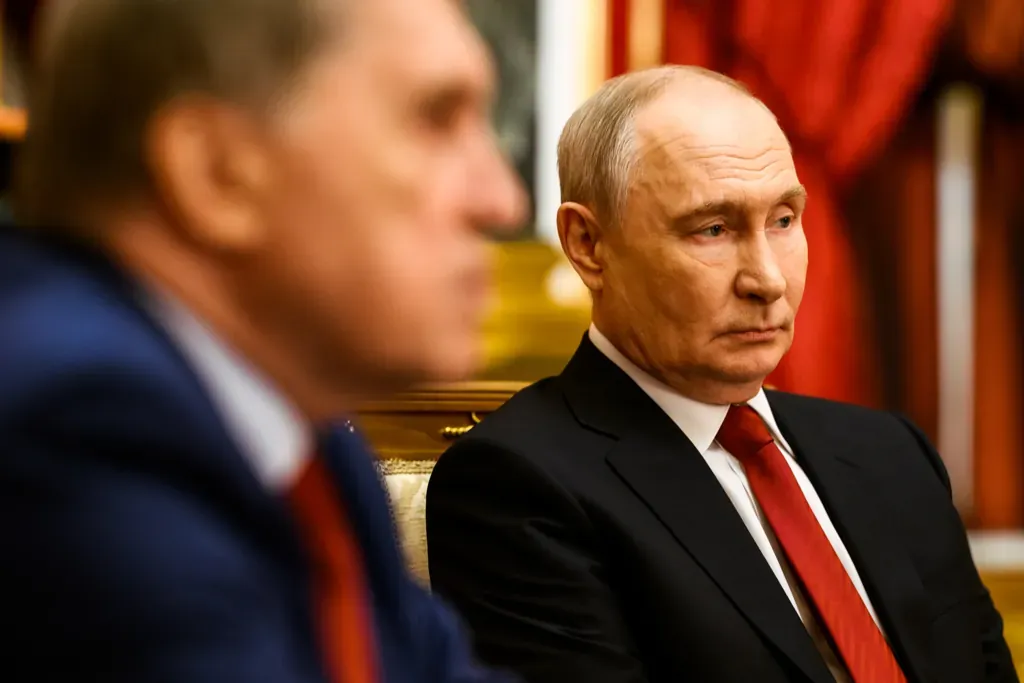
DUBLIN, Ireland – US presidential envoys Steve Witkoff and Jared Kushner met Russian President Vladimir Putin in Moscow before travelling to Ireland for discussions with Ukrainian President Volodymyr Zelenskyy, as Washington sought to revive negotiations aimed at ending Russia’s war against Ukraine.
The November 12 meetings followed two days of US-mediated negotiations involving Russian and Ukrainian delegations in Abu Dhabi. The discussions produced an agreement in principle for a large prisoner exchange and plans for another round of negotiations, but no major breakthrough on the central political and territorial disputes.
US envoys hold separate meetings with Putin and Zelenskyy
Witkoff and Kushner met Putin at the Kremlin for approximately two hours on November 12. The discussions covered the war, European security arrangements and the possibility of involving European representatives more directly in the negotiations.

The envoys subsequently travelled to Dublin, where they met Zelenskyy for more than an hour. Witkoff described the Moscow discussions as productive and said another round of negotiations had been agreed.
Zelenskyy welcomed the prospect of further talks, saying European representatives should participate directly rather than remain on the sidelines.
Abu Dhabi talks produce prisoner-exchange agreement
The Moscow and Dublin meetings followed negotiations in Abu Dhabi on November 10 and 11, the first direct US-mediated discussions between Russian and Ukrainian representatives in nine months.
The negotiations produced an agreement for a large-scale prisoner exchange, although officials had not announced the final number of people to be released or a specific timetable.
Zelenskyy described the planned exchange as potentially the largest since the beginning of Russia’s full-scale invasion in February 2022. He also identified preparations for further multilateral meetings and greater European participation as important outcomes of the diplomatic effort.
■ Related News



Europe seeks a direct role in negotiations
European participation emerged as a central issue during the latest diplomatic meetings.
Witkoff said European representatives would join the next round of negotiations. Zelenskyy also said Europe needed an equal place at the negotiating table because the outcome of the war would directly affect the continent’s security.
The Ukrainian president discussed the diplomatic process with European leaders and national security advisers in Dublin. An official statement from his office said the discussions covered coordination with Washington and the need for European involvement in finding a realistic and pragmatic solution.
The proposed participation of European countries remains a significant diplomatic development, although the specific countries, representatives and format for the next round had not been announced.
Territorial and security disagreements remain
Despite renewed diplomatic activity, Moscow and Kyiv remain divided over the conditions for ending the war.
Russia continues to demand control over Ukrainian territory it claims to have annexed, including areas of the eastern Donbas region that its forces do not fully control. Ukraine has rejected demands to surrender territory.
Putin also reiterated his opposition to the deployment of European troops in Ukraine after a ceasefire, describing such a presence as a security threat to Russia. His position remains at odds with proposals from European governments for security arrangements designed to deter another Russian attack.
The disagreements underline the limits of the latest negotiations. Although the parties have agreed to continue diplomatic engagement and pursue humanitarian measures, no ceasefire or comprehensive peace agreement has been announced.
Fighting continues as diplomatic efforts advance
The renewed negotiations are taking place while Russian and Ukrainian forces continue military operations.
Attacks on Ukrainian cities and energy infrastructure have continued, while Ukraine has carried out strikes against targets inside Russia. The ongoing fighting adds pressure to negotiations as both governments seek security arrangements that would shape any eventual settlement.
For now, the immediate results of the diplomatic effort are a planned prisoner exchange, agreement to hold another round of negotiations and a commitment to bring European representatives more directly into the process.
Whether those developments can overcome the territorial and security disagreements between Moscow and Kyiv remains unresolved.
Primary Sources: President of Ukraine, “Volodymyr Zelenskyy Discussed Outcomes of This Week’s Negotiations with Steve Witkoff and Jared Kushner,” November 13, 2026, describing the Dublin meeting and identifying the planned prisoner release, greater European participation and preparations for further multilateral meetings as key outcomes; President of Ukraine, “President and National Security Advisors of E4 Countries, European Commission, and European Council Discussed Diplomatic Process and Communication with American Side,” November 12, 2026, documenting discussions in Dublin about the resumption of negotiations and European involvement. The complete Kremlin transcript of Putin’s November 12 meeting with the US envoys and an official US government readout were not independently retrieved for this report.