U.S. airlines spent more than $6 billion on jet fuel for a second consecutive month in May, underscoring the continued financial strain of elevated energy costs despite recent signs of easing fuel prices.
According to data released Tuesday by the U.S. Bureau of Transportation Statistics, carriers spent $6.66 billion on jet fuel in May, up 84% from the same month a year earlier. The figure followed April’s fuel bill of $6.47 billion, marking the second straight month that industry-wide spending exceeded the $6 billion threshold.
Higher Fuel Prices Drive Airline Costs
The sharp increase in spending was driven primarily by higher fuel prices rather than greater consumption.

U.S. airlines used 1.627 billion gallons of jet fuel in May, down 0.6% from May 2025. Fuel consumption also edged lower in April compared with the same month last year.
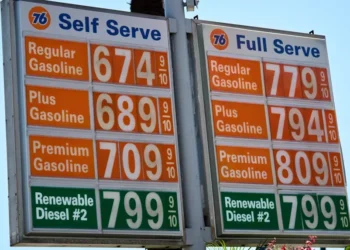
The average price paid by airlines was $4.09 per gallon in May, slightly below April’s average of $4.11. However, it remained 85% higher than the $2.21 per gallon recorded in May 2025, according to the transportation agency.
Industry Continues to Adjust
Airlines around the world have responded to higher fuel costs by increasing fares and ancillary fees while trimming flight schedules. Fuel remains one of the industry’s largest operating expenses, making carriers particularly sensitive to fluctuations in global energy prices.
The latest government figures highlight the lingering effects of the surge in fuel costs that followed the outbreak of conflict in the Middle East earlier this year, which disrupted shipping through the Strait of Hormuz, a critical route for global crude oil and refined fuel supplies.
Geopolitical Risks Keep Energy Markets on Edge
Although fuel prices have retreated from their spring peaks after the United States and Iran reached an interim ceasefire agreement, easing some financial pressure on airlines, uncertainty remains.




On Tuesday, the British military said three tankers were struck by projectiles in the Strait of Hormuz. The United States also revoked a license that had permitted Iranian oil sales under the interim agreement, raising fresh concerns about regional stability and future energy supplies.
Focus Shifts to Airline Earnings
Investors are now looking ahead to the airline earnings season for further insight into how lower fuel prices could affect profitability.
Delta Air Lines is scheduled to report its second-quarter financial results on Friday, beginning a series of earnings reports from major U.S. carriers. Executives are expected to discuss whether the recent decline in fuel prices will provide meaningful relief after a costly spring.
According to the Argus U.S. Jet Fuel Index, the average jet fuel price across the major airline hubs of Chicago, Houston, Los Angeles and New York stood at $2.88 per gallon on Tuesday. Prices fell below $3 per gallon on June 15 for the first time since early March and have remained under that level since.
This report is based on reporting by The Associated Press (AP).
Article Topics: U.S. Airlines | Jet Fuel | Fuel Prices | Aviation Industry | Airline Earnings | Energy Markets | Transportation | Inflation