NEW YORK – Gene Shalit, the longtime film critic and arts editor for Today, has died at the age of 100, his family confirmed in a statement to NBC News. Shalit passed away peacefully after what relatives described as “100 years of an amazing life.”
Shalit became one of American television’s most recognizable entertainment critics over a career that helped reshape how film reviews reached mainstream audiences. Joining Today in 1970 as a contributor before becoming arts editor in 1973, he went on to host his signature segment, “Critic’s Corner,” remaining with the program until his retirement in 2010.
His tenure spanned more than four decades, making him one of the most visible film critics on a major U.S. broadcast network during a period when television increasingly influenced public taste in cinema.

A defining voice in televised film criticism
According to NBC News reporting and statements from his family, Shalit’s approach combined accessible analysis with humor, often delivered through playful wordplay and puns that became his trademark style.
He emerged at a time when film criticism was largely dominated by print media. His presence on national television helped broaden the reach of entertainment journalism, alongside contemporaries such as Roger Ebert and Gene Siskel, whose influence also helped bring film criticism into mainstream culture.
Shalit previously worked as an entertainment columnist for magazines including McCall’s, Ladies’ Home Journal, and Look, where his writing helped establish his reputation before his transition to broadcast television.
Distinct style and cultural presence
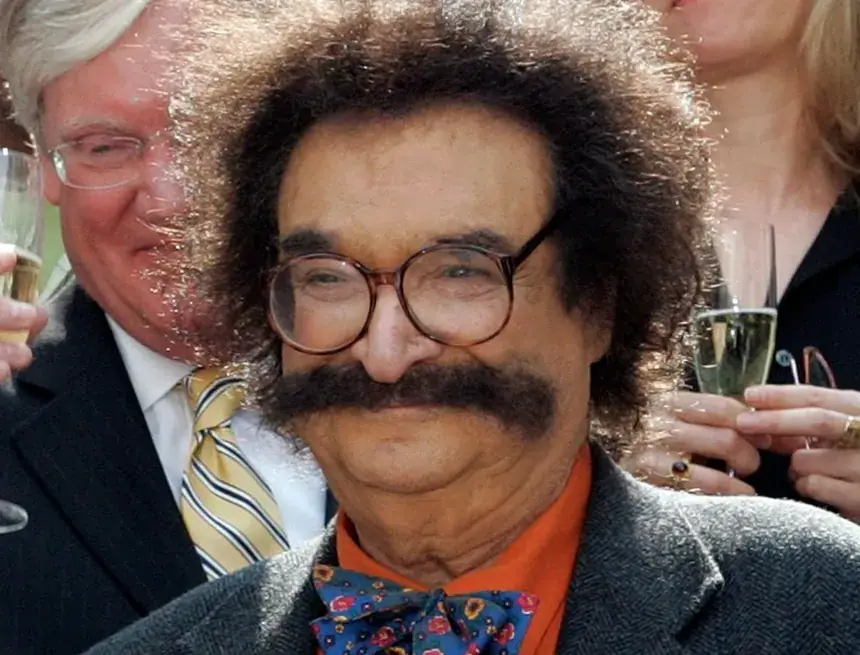
Shalit was widely recognized for his distinctive on-air persona, including his famously bushy hair and oversized handlebar mustache, which became part of his public identity. His commentary often blended film analysis with humor-heavy phrasing, sometimes drawing attention for elaborate or unconventional descriptions of movies.
Among his more widely cited remarks were playful takes on films ranging from Frozen to The Color Purple, reflecting a style that prioritized accessibility and entertainment value for daytime television audiences.
■ Related News




Despite his lighthearted tone, Shalit was also known for avoiding detailed plot summaries, a principle he said was intended to preserve the viewing experience for audiences.
Influence on television entertainment coverage
Shalit’s role on Today coincided with a broader transformation in entertainment journalism, as television networks expanded dedicated arts and culture coverage. His presence helped solidify the idea that film criticism could be a regular part of morning news programming rather than a niche print discipline.
His career also intersected with the rise of other televised film critics, including Joel Siegel on Good Morning America and the nationally syndicated program Sneak Previews, which helped popularize televised film debate formats.
Industry observers and colleagues have credited Shalit with helping shift critical discourse from newspapers and magazines into living rooms across the United States, increasing the visibility of film criticism as a mainstream media segment.
Later years and retirement
Shalit remained with Today until 2010, when he concluded his long-running role as film critic. At the time of his departure, he was among the last remaining high-profile network television film critics.
His later career included occasional media appearances and cultural cameos, while his earlier work continued to be referenced in retrospectives on entertainment journalism.
He was predeceased by his wife, Nancy Lewis, in 1978, and is survived by six children.
Tags: Gene Shalit, Today Show, NBC, Film Critics, Television Journalism, Entertainment News, Hollywood, Roger Ebert, Gene Siskel, Media History