Health workers battling a rapidly spreading Ebola outbreak in eastern Democratic Republic of Congo are facing growing violence and hostility from local communities, complicating efforts to contain one of the region’s most serious public health emergencies in years. Authorities and international agencies warned that attacks on treatment centers and aid personnel are undermining an already fragile response to the rare virus outbreak.
The outbreak, centered in Ituri province near the Ugandan border, involves the rare Bundibugyo strain of Ebola, for which there is currently no approved vaccine or targeted treatment. The World Health Organization declared the outbreak a public health emergency of international concern earlier this month after infections spread into neighboring Uganda.
Congolese authorities have reported hundreds of suspected infections and more than 200 suspected deaths, although health officials say the true scale of the outbreak may be significantly larger because insecurity and testing shortages have delayed case detection.

Attacks on Medical Facilities Intensify
Aid agencies said multiple Ebola treatment facilities in eastern Congo were attacked over the past week by groups of residents angered by quarantine measures, burial restrictions and distrust toward health authorities. According to international reports, treatment tents were burned in Mongbwalu while another medical center in Rwampara was set on fire after families were prevented from handling the body of a suspected Ebola victim.
Officials said dozens of patients fled isolation facilities during some of the attacks, increasing fears that the virus could spread more rapidly across densely populated communities. Healthcare workers were also forced to evacuate facilities after armed confrontations and gunfire near hospitals treating Ebola patients.
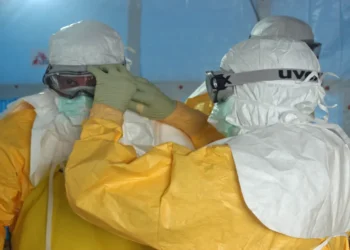
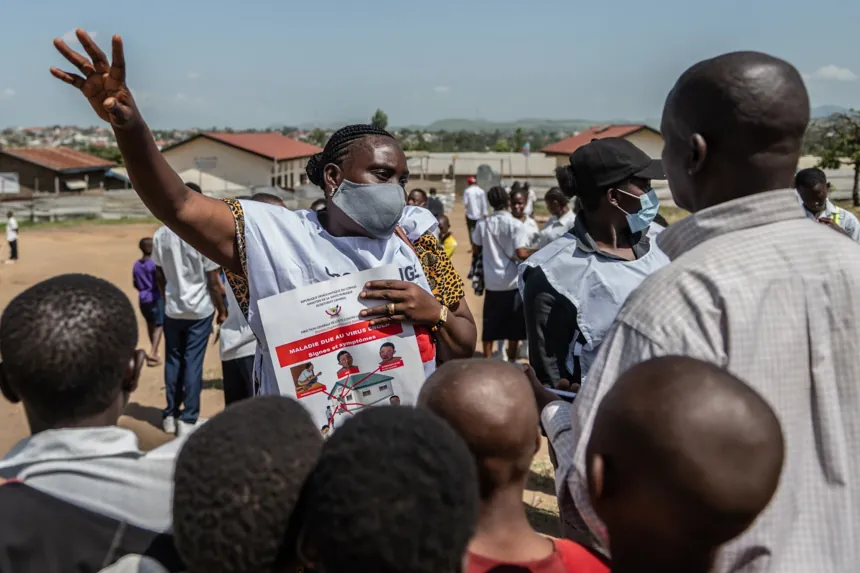
Medical volunteers and Red Cross teams working in Bunia reported frequent verbal abuse and physical intimidation while conducting awareness campaigns in affected neighborhoods. Some residents have rejected warnings about the virus, with misinformation and conspiracy theories fueling resistance to emergency measures.
Conflict and Distrust Complicate Response
Eastern Congo has endured years of violence involving armed rebel groups, mass displacement and weak government control, conditions that humanitarian organizations say have severely damaged trust in public institutions. Analysts noted that longstanding insecurity has made health interventions particularly difficult in remote communities already traumatized by conflict.
The WHO warned that the outbreak is spreading faster than current response efforts, citing limited diagnostic capacity, shortages of protective equipment and population movement across borders. Health experts also said aid reductions from international donors in recent years weakened disease surveillance systems before the outbreak emerged.
■ Related News


The Centers for Disease Control and Prevention said the Bundibugyo strain was initially difficult to identify because early tests focused on more common Ebola variants, delaying containment measures. The agency added that conflict zones, mining-related migration and cross-border travel continue to increase transmission risks in the region.
Regional Health Concerns Grow
Uganda has confirmed several Ebola infections linked to travelers arriving from Congo, prompting authorities to introduce stricter monitoring and public health measures. President Yoweri Museveni urged citizens to avoid physical contact practices such as handshakes and postponed major public events as a precaution.
International health agencies warned that neighboring countries remain at high risk because of heavy population movement and trade connections across Central and East Africa. Despite the escalating emergency, the WHO said the risk of broader global transmission remains relatively low for now.
Humanitarian organizations stressed that rebuilding community trust will be critical to controlling the outbreak. Experts noted that without local cooperation, isolation protocols, contact tracing and safe burial procedures could become increasingly difficult to enforce.