Authorities in the Democratic Republic of Congo have imposed new restrictions on funeral wakes and large public gatherings as officials race to contain a rapidly expanding Ebola outbreak that the World Health Organization now classifies as a “very high” national risk.
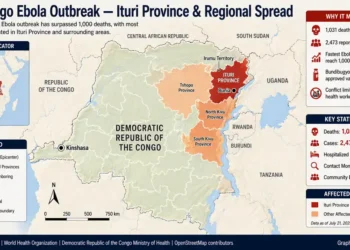
The measures were introduced in the northeastern province of Ituri, where the outbreak has spread across conflict-affected communities already struggling with displacement, weak healthcare infrastructure and armed violence. International health agencies warn the crisis could intensify regional instability if containment efforts fail.
According to the WHO, at least 82 Ebola cases and seven deaths have been laboratory confirmed, though officials believe the actual scale is significantly larger. Health authorities are investigating nearly 750 suspected infections and 177 suspected deaths linked to the outbreak.

Health Emergency Deepens in Eastern Congo
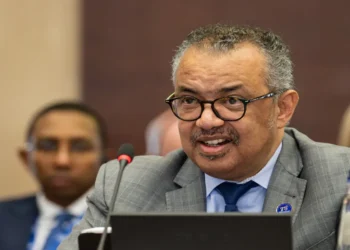
WHO Director-General Tedros Adhanom Ghebreyesus said the outbreak is spreading rapidly inside Congo, prompting the agency to elevate its internal risk assessment from “high” to “very high.” The organization continues to classify the regional threat as high while maintaining that global transmission risk remains low.
The outbreak involves the Bundibugyo strain of Ebola, a rarer variant for which no approved vaccine or targeted treatment currently exists. WHO officials said the virus may have circulated undetected for weeks after initial testing focused on more common Ebola strains.
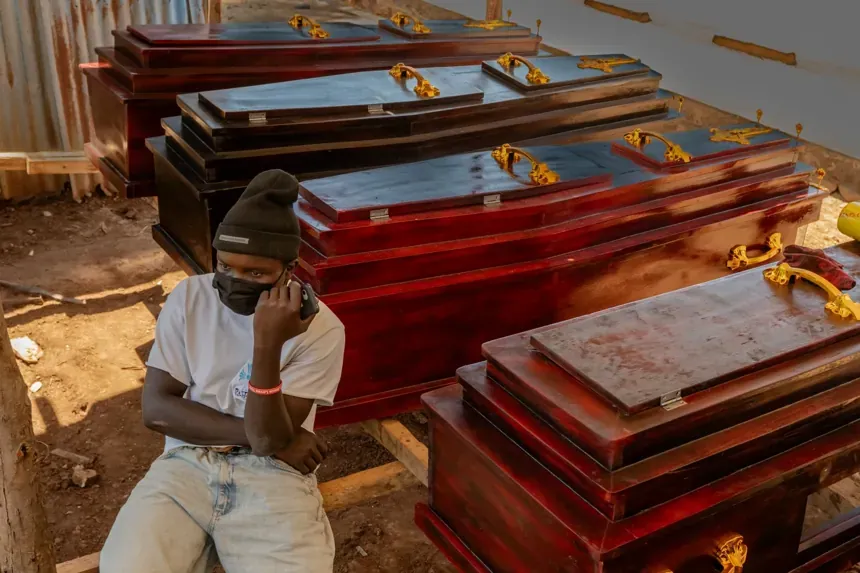
Congolese authorities have now banned funeral wakes and gatherings exceeding 50 people in parts of Ituri Province. Funeral ceremonies must follow strict health protocols due to concerns that Ebola victims’ bodies remain highly infectious after death.
Conflict Zones Complicate Containment Efforts
The epidemic has spread into areas affected by armed insurgencies and mass displacement, complicating surveillance and emergency response operations. WHO and aid agencies say population movement between eastern Congo and neighboring countries raises the possibility of additional cross-border infections.
Cases have also been reported in North Kivu and South Kivu provinces, including areas controlled by the Rwanda-backed M23 rebel movement. Congolese officials warned that limited coordination between government authorities and rebel-controlled territories could undermine containment efforts.
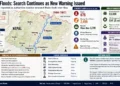
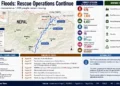

The outbreak has already crossed international borders. Uganda confirmed two Ebola cases linked to travel from Congo earlier this month, prompting heightened surveillance measures across East Africa.
International Aid Response Expands
International agencies and foreign governments have begun increasing financial and medical support to the region. The United Nations announced a $60 million emergency allocation for Congo and neighboring countries, while the United States pledged an additional $23 million to strengthen treatment facilities and surveillance systems.
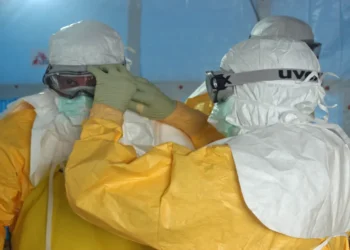
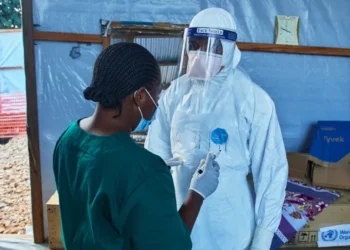
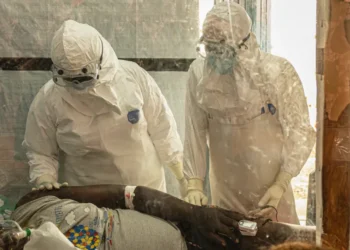
Despite the influx of assistance, frontline medical workers continue reporting severe shortages of protective equipment and treatment capacity. Associated Press journalists in Bunia observed doctors using expired protective masks while caring for suspected Ebola patients.
Humanitarian organizations also warned that misinformation and distrust of authorities remain major obstacles. In one recent incident, angry residents reportedly attacked an Ebola treatment center after being prevented from retrieving a relative’s body for traditional burial rites.
Regional Health Security Under Pressure
The WHO earlier declared the outbreak a Public Health Emergency of International Concern, citing fears of wider international spread and the lack of available vaccines for the Bundibugyo virus strain. Health experts say insecurity, displacement and fragile healthcare systems have created conditions for the outbreak to expand rapidly if intervention efforts stall.
Analysts note that Ebola outbreaks in eastern Congo have historically carried broader geopolitical implications because of the region’s porous borders, humanitarian crises and ongoing armed conflicts. Public health agencies are now focusing heavily on contact tracing, border screening and community outreach to prevent further transmission.