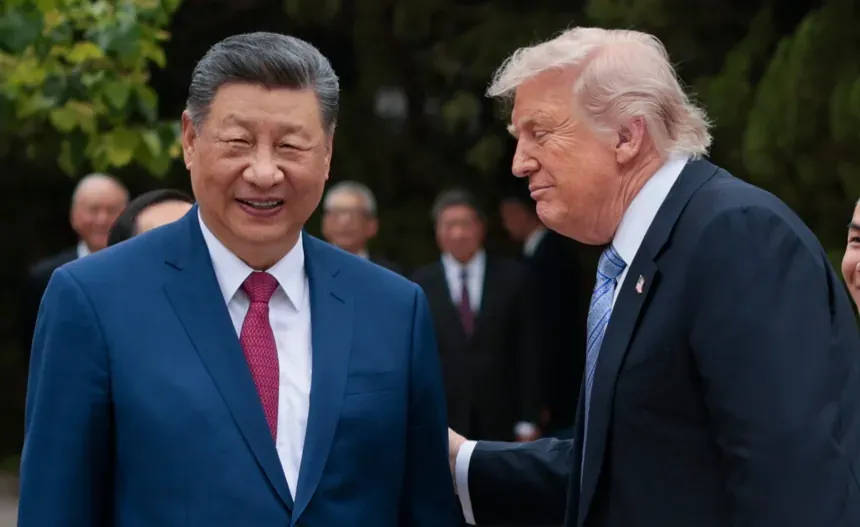
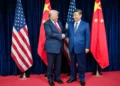
China has agreed to increase imports of American beef, poultry, and other agricultural products following a high-level summit between U.S. President Donald Trump and Chinese President Xi Jinping, marking a significant step toward easing trade tensions between the world’s two largest economies. (AP News)
According to statements released after the Beijing summit, China committed to purchasing at least $17 billion annually in U.S. agricultural products from 2026 through 2028, including beef, poultry, wheat, corn, and soybeans. The agreement also includes measures to restore market access for U.S. beef producers and resume poultry imports from American states deemed free of avian influenza.
The announcement comes after years of trade disruptions caused by tariff disputes and geopolitical rivalry that sharply reduced agricultural exports from the United States to China. Analysts said the renewed commitments could provide economic relief to American farmers while helping Beijing secure stable food imports amid broader global supply uncertainties.

Trade Truce Signals Broader Economic Reset
Officials from both governments indicated the deal forms part of a wider effort to stabilize bilateral economic relations following escalating tariff battles over recent years. The White House said the two countries also agreed to establish new trade and investment coordination bodies aimed at reducing market barriers and improving economic dialogue.
China’s Ministry of Commerce confirmed that discussions included reciprocal tariff reductions on selected goods and expanded agricultural cooperation. The ministry said the two sides would work to reduce non-tariff barriers affecting sectors including beef, poultry, seafood, and dairy products.
The summit also reportedly produced agreements involving aircraft purchases and supply chain cooperation, including arrangements linked to Boeing aircraft and aviation components.
Farmers and Exporters Welcome Agreement
American agricultural groups welcomed the development after years of declining access to the Chinese market. U.S. beef exports to China had fallen sharply since the peak of bilateral trade relations earlier in the decade, partly because hundreds of American meat processing facilities lost export eligibility during the trade dispute.
Industry representatives said restoring access to China could help stabilize prices and expand overseas demand for American producers facing rising competition and volatile commodity markets.

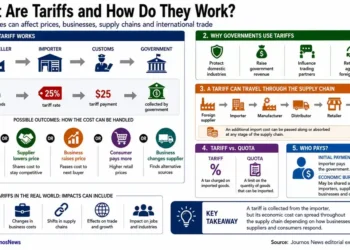
However, analysts cautioned that the agreement remains vulnerable to broader geopolitical tensions, particularly over technology controls, Taiwan, and strategic competition between Washington and Beijing. Observers noted that while agricultural trade often serves as a stabilizing component in U.S.-China relations, deeper structural disputes remain unresolved.
Global Supply Chains Could Shift
Economists said increased Chinese purchases of American farm goods could reshape global agricultural trade flows by reducing imports from alternative suppliers such as Brazil, Australia, and Canada. Reuters reported that expanded U.S. exports may alter competition in global grain and meat markets over the coming years.
The renewed trade commitments also come as both countries attempt to manage slowing domestic economic growth and avoid further disruptions to international supply chains already strained by geopolitical instability and conflicts in several regions.
Despite the apparent thaw in agricultural trade, observers noted that major strategic disagreements between the United States and China continue to influence the broader bilateral relationship.