A rare hantavirus outbreak aboard the expedition cruise ship MV Hondius has drawn international attention, highlighting challenges in managing infectious diseases in confined maritime settings. The vessel, currently anchored off Cape Verde, has reported multiple infections and at least three deaths, prompting strict isolation protocols and global health monitoring.
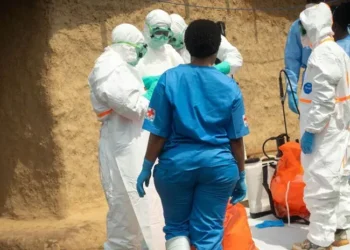
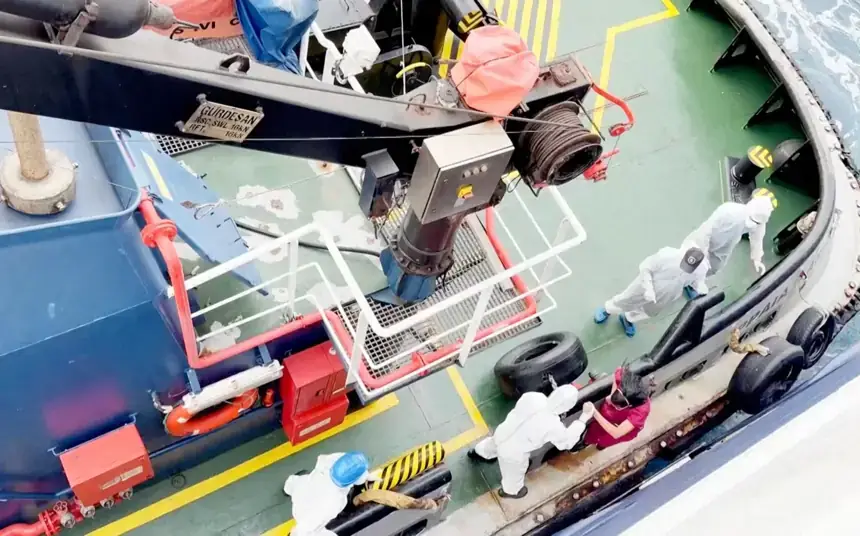
Footage obtained by The Associated Press shows deserted decks, empty lounges, and medical teams in full protective gear moving through the ship. The images reflect the severity of containment measures as passengers remain confined to their cabins to limit potential transmission.
Containment Measures Intensify at Sea
Passengers and crew have been placed under quarantine as authorities attempt to control the outbreak. Medical teams boarded the ship to assess conditions and provide treatment, while those showing symptoms remain under close observation.

Health officials confirmed that at least seven cases have been identified, including three fatalities. Those who died include European passengers, while others remain in critical or stable condition.
In response, Cape Verde authorities initially restricted the ship from docking, citing public health concerns. Plans are now underway to evacuate seriously ill individuals and potentially reroute the vessel to the Canary Islands for further medical support.
Uncertainty Over Transmission Raises Concern
Hantavirus is typically transmitted through exposure to rodent droppings, urine, or saliva, rather than person-to-person contact. However, the confined environment of the ship has raised questions among experts about how the virus spread among passengers.
The World Health Organization is investigating whether the outbreak may involve a rare strain capable of limited human-to-human transmission. At the same time, officials noted that no rodents have been found aboard the vessel, complicating efforts to determine the source.
Life Aboard Ship Reflects Heightened Restrictions
Inside the vessel, normal operations have effectively halted. Social areas remain empty, and passengers are largely confined to their cabins as crews enforce strict hygiene and distancing protocols.



Reports from passengers describe uncertainty and anxiety, as travelers await evacuation or clearance to disembark. Meanwhile, crew members continue essential operations under protective measures, ensuring basic services and medical support remain available.
Strategic Implications for Global Health Monitoring
The outbreak underscores vulnerabilities in international travel and maritime health systems, particularly when dealing with rare infectious diseases. Cruise ships, with their enclosed environments and international passenger lists, present unique challenges for containment and coordination.
For global health authorities, the incident highlights the need for rapid detection systems, coordinated response protocols, and clear communication between countries. While the World Health Organization currently assesses the broader public risk as low, ongoing investigations will determine whether additional measures are required.
As the situation develops, the response to the outbreak may shape future guidelines for managing infectious diseases at sea, especially in cases involving rare or poorly understood pathogens.