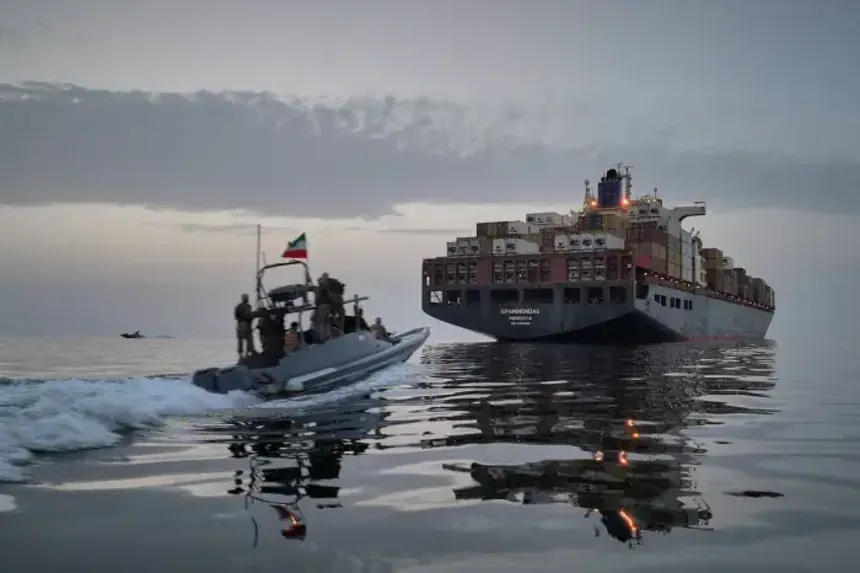
The United Arab Emirates has announced plans to exit the Organization of the Petroleum Exporting Countries (OPEC), while negotiations between the United States and Iran over Tehran’s nuclear program remain stalled, a convergence of developments that is heightening uncertainty across global energy markets and diplomatic channels.
The dual-track shift—one economic and one geopolitical—signals potential disruptions to oil supply coordination and raises concerns among policymakers about the broader implications for global energy pricing and regional stability. Analysts say the timing underscores the fragility of both institutional alliances and ongoing diplomatic efforts in the Middle East.
Officials familiar with the matter, speaking to Reuters, said the UAE’s decision reflects a strategic recalibration of its energy policy, while separate reporting indicates that indirect talks between Washington and Tehran have failed to produce meaningful progress in recent weeks.

Strategic Realignment in Global Oil Policy
The UAE’s planned departure from OPEC marks a significant shift for one of the group’s key producers. The move suggests a desire for greater autonomy in production decisions, particularly as the country expands its energy diversification strategy and seeks to maximize output capacity without cartel constraints.
Energy analysts interviewed by the Financial Times noted that the decision could weaken OPEC’s collective influence over global oil prices, especially if other members reconsider their positions. The UAE has long been seen as one of the more forward-looking producers within the bloc, investing heavily in renewable energy alongside traditional oil production.
The exit may also signal deeper fractures within OPEC, where differing national priorities have increasingly complicated consensus-driven production targets. Market observers say this could lead to more volatile pricing patterns in the absence of coordinated output controls.
Diplomatic Deadlock Deepens Over Iran Nuclear Talks
At the same time, efforts to revive negotiations between the United States and Iran have stalled, with both sides reportedly maintaining hardline positions on key issues, including sanctions relief and nuclear compliance.
According to reporting from The Associated Press, mediators have struggled to bridge gaps between Washington and Tehran, raising the risk of prolonged diplomatic impasse. The talks, aimed at restoring or reshaping the framework of the 2015 nuclear agreement, are seen as critical to easing regional tensions and stabilizing energy markets.
■ Related News



In remarks carried by BBC News, officials indicated that while communication channels remain open, substantive breakthroughs have not materialized. The lack of progress has heightened concerns among European and regional stakeholders, who fear escalation or further erosion of trust.
Energy Markets Face Heightened Volatility
The intersection of these developments is already being felt in global oil markets, where traders are adjusting expectations around supply coordination and geopolitical risk. The UAE’s potential departure from OPEC could alter production dynamics, while unresolved tensions with Iran continue to cloud supply outlooks.
Industry experts suggest that uncertainty surrounding Iranian oil exports—should negotiations collapse entirely—could tighten supply conditions, particularly if enforcement of sanctions intensifies. Conversely, the UAE’s independent production strategy may offset some of these pressures, depending on how aggressively it expands output.
The combination of institutional change and diplomatic stagnation is likely to complicate forecasting models, with analysts warning of increased short-term volatility and longer-term structural shifts in the energy landscape.
International Response and Strategic Implications
Global powers are closely monitoring both developments, given their implications for energy security and regional stability. The European Union and Asian importers, heavily reliant on Middle Eastern oil, have expressed concern about potential supply disruptions and price fluctuations.
Diplomatic observers say the stalled US-Iran talks also carry broader implications beyond energy markets, including nuclear non-proliferation efforts and regional security dynamics. Without progress, the risk of escalation—whether economic or military—remains a persistent concern.
Meanwhile, the UAE’s move could prompt other producers to reassess their alignment within OPEC or explore alternative frameworks for cooperation, potentially reshaping the architecture of global energy governance.
Outlook: Uncertain Path Ahead for Energy and Diplomacy
As the UAE moves toward formalizing its exit from OPEC and US-Iran negotiations remain unresolved, the international community faces a period of heightened uncertainty. Both developments reflect deeper structural shifts—one in global energy coordination, the other in diplomatic engagement with a key regional actor.
The coming months will be critical in determining whether new alignments emerge or whether existing tensions deepen. For now, markets and policymakers alike are bracing for a more fragmented and unpredictable geopolitical and economic landscape.