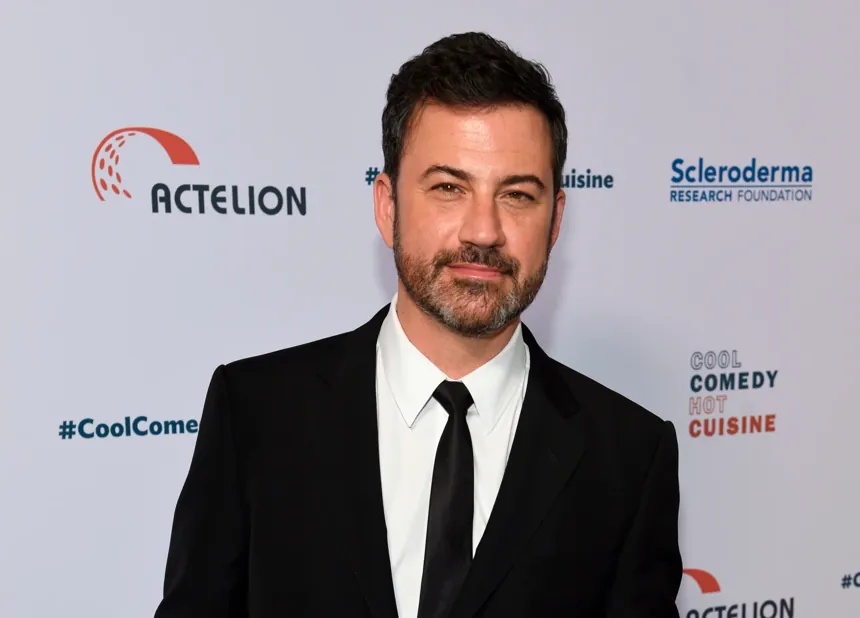
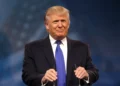
The latest call by Donald Trump for ABC to dismiss late-night host Jimmy Kimmel has reignited debate over the role of political satire in mainstream entertainment. The comments followed a monologue in which Kimmel made a dark joke referencing Melania Trump, drawing criticism from the former president and his allies.
The dispute illustrates a recurring dynamic between political figures and late-night television, where satire often intersects with public sensitivity and media accountability. Industry observers note that such controversies can amplify viewership while simultaneously prompting scrutiny from both audiences and network stakeholders.
Industry Context: Political Satire and Network Strategy
Late-night programming has long incorporated political commentary as a central element of its format. Shows like “Jimmy Kimmel Live!” operate within a competitive landscape where topical humor can drive engagement, particularly during election cycles or periods of heightened political visibility.

While networks such as ABC have historically supported hosts’ editorial independence, they also face reputational considerations when content provokes backlash. According to media analysts, controversies involving high-profile political figures rarely translate into immediate personnel changes but can influence advertiser sentiment and audience perception.
The Latest Flashpoint
During a recent broadcast, Kimmel delivered a joke that critics described as morbid, referencing the former first lady. In response, Trump publicly called for the comedian’s removal, continuing a pattern of criticism he has directed at late-night hosts over several years.
A spokesperson for the network has not indicated any disciplinary action, and there has been no official statement suggesting changes to the program’s direction. Historically, networks have maintained support for their hosts amid political criticism, citing the importance of creative expression and established audience expectations.
Broader Media Implications
The incident reflects broader tensions within the entertainment industry regarding the boundaries of satire. While late-night hosts are often expected to push comedic limits, evolving audience standards and the speed of digital backlash have increased the stakes of controversial material.
Media scholars point out that such disputes can reinforce the cultural relevance of late-night television, even as the format adapts to streaming competition and shifting viewer habits. At the same time, they highlight the delicate balance networks must strike between creative freedom and corporate responsibility.
■ Related News
Career Context and Ongoing Debate
Kimmel, who has hosted his program since 2003, has built a reputation for blending celebrity interviews with political humor. His commentary has frequently drawn responses from political figures, particularly during and after Trump’s presidency.
For Trump, criticism of media personalities remains a consistent element of his public messaging, often targeting outlets and individuals he perceives as unfavorable. The latest exchange underscores how entertainment platforms continue to serve as arenas for political discourse, even outside traditional news programming.
As the industry navigates this evolving landscape, the intersection of comedy, politics, and corporate media strategy is likely to remain a focal point for both audiences and executives.