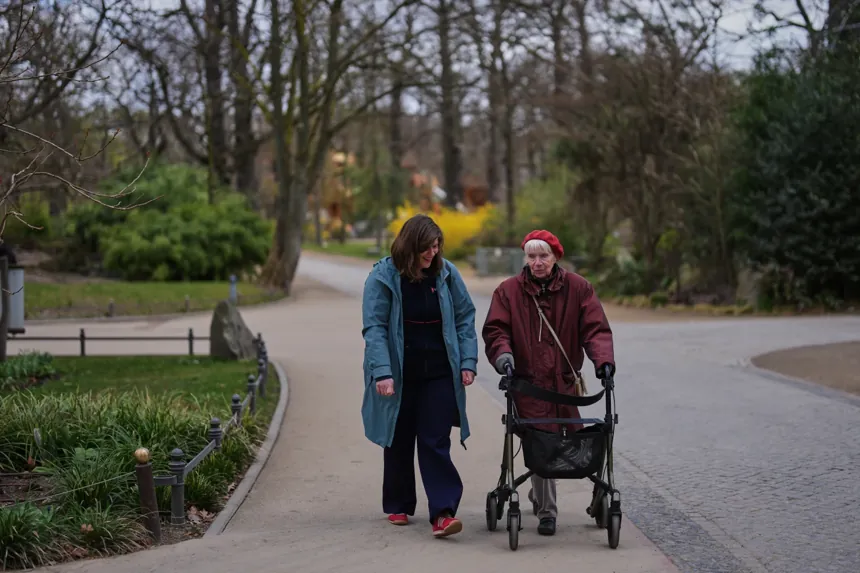
Barrier-free tours are emerging as a key feature of modern tourism, reflecting broader efforts to make travel more inclusive for people with disabilities and aging populations. As accessibility becomes a priority across cultural institutions and travel services, these tours are reshaping how destinations design experiences and welcome a wider range of visitors.
Recent reporting from the Associated Press highlights how museums, tour operators, and tourism agencies are adapting services—from sensory-friendly programs to sign-language tours—to better accommodate diverse needs.
Data Behind the Trend
Globally, an estimated 1.3 billion people—around 16% of the population—live with significant disabilities, according to data cited by the World Health Organization. This figure, alongside aging populations, has contributed to growing demand for accessible travel experiences.

Market research indicates that accessible tourism is expanding rapidly, with projections showing sustained growth driven by demographic changes and increased advocacy for inclusion. The sector is no longer considered niche, but part of mainstream travel planning.
This shift reflects both social inclusion efforts and the recognition of a large, underserved travel market.
What Barrier-Free Tours Offer
Barrier-free tours are designed to remove physical, sensory, and cognitive obstacles that may limit participation in traditional travel experiences. These include features such as tactile exhibits for visually impaired visitors, guided tours using sign language, and quieter, structured environments for individuals with autism or dementia.
Cultural institutions, including major museums, have introduced specialized programs that aim to reduce sensory overload while maintaining educational value. Technology also plays a role, with digital tools supporting navigation, interpretation, and communication.
These adaptations signal a shift from reactive accessibility measures toward more proactive, inclusive design.




Planning and Preparation
Experts cited in AP reporting emphasize that planning remains essential to making the most of barrier-free tours. Travelers and caregivers are encouraged to research destinations, consult accessibility-focused travel specialists, and communicate specific needs in advance.
Studies on accessible tourism suggest that lack of reliable information is one of the most common barriers, with many travelers reporting difficulty assessing whether facilities meet their needs.
Organized tours or specialized agencies can help address these challenges by coordinating logistics and ensuring appropriate accommodations are in place.
Cultural and Industry Shifts
The rise of barrier-free tours reflects broader cultural changes in how accessibility is understood. Rather than focusing solely on physical mobility, inclusive tourism increasingly considers sensory, cognitive, and social dimensions of travel.
Industry stakeholders are also being encouraged to integrate accessibility into standard pricing and planning, rather than treating it as an optional add-on. This approach aligns with wider calls from international organizations to view accessible tourism as a fundamental right and economic opportunity.
Broader Implications
Accessible tourism has implications beyond individual travel experiences. With more than one billion people directly affected by disability—and billions more as family members or caregivers—the sector represents a significant portion of global demand.
As barrier-free tours become more widespread, they may influence how cities design public spaces, how institutions present cultural content, and how the travel industry defines inclusivity.
Analytical note: The expansion of barrier-free tours illustrates how tourism is evolving from standardized offerings toward more personalized, inclusive experiences shaped by demographic and social change.