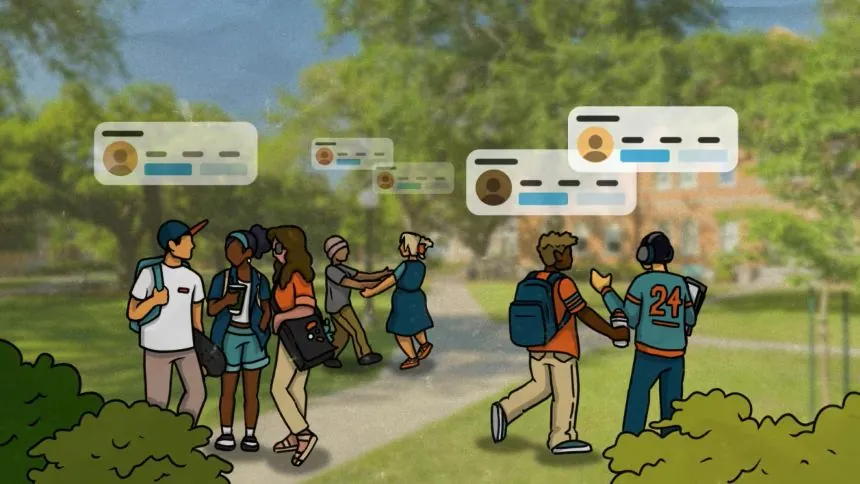
High school seniors are increasingly experiencing incoming class social media anxiety as universities’ unofficial Instagram networks reshape how students connect before arriving on campus. What was once an in-person transition is now unfolding online, raising concerns among mental health experts about early social pressure and exclusion dynamics. The trend is prompting educators and health professionals to examine how digital behaviors may affect student well-being before college even begins.
According to reporting by CNN, incoming college students are using Instagram pages dedicated to their graduating class to introduce themselves, find roommates, and establish social circles months ahead of matriculation. While these platforms offer connection opportunities, emerging evidence suggests they may also amplify stress, comparison, and social anxiety during a critical developmental period.
Digital Networking Expands—but Social Pressure Intensifies
Students are now forming first impressions through curated online profiles, often emphasizing appearance, lifestyle, and social status. Mental health researchers note that this early exposure to peer comparison can heighten self-consciousness and perceived social ranking.

Data from adolescent psychology studies indicate that social media environments tend to reinforce social comparison behaviors, which are associated with increased anxiety symptoms. Early findings suggest that pre-college online interactions may extend these effects into transitional life stages, where identity formation is particularly sensitive.
An analytical review of youth digital behavior published in journals such as The Lancet Digital Health has previously highlighted correlations between heavy social media use and elevated anxiety, though causation remains complex and influenced by multiple factors.
Pre-Arrival Social Sorting Alters Campus Integration
Unlike traditional college transitions, where relationships develop organically after arrival, students are now entering campus environments with pre-formed social groups. This shift may affect inclusion dynamics and intensify feelings of isolation for those who are less active or visible online.
Health experts point to the concept of “anticipatory social stress,” where individuals experience anxiety about future social environments based on perceived expectations. In this case, students may feel pressure to secure friendships or social validation before physically joining campus communities.
University counseling services in several countries have reported anecdotal increases in pre-arrival anxiety inquiries, reflecting growing awareness of the phenomenon. However, systematic global data remains limited, and further research is required to quantify the scale of impact.
■ Related News



Mental Health Services Prepare for Early Intervention Needs
Healthcare systems within universities are beginning to adapt by expanding mental health outreach to incoming students before the academic year begins. Preventive strategies include digital literacy programs, online counseling access, and guidance on managing social media use.
Public health specialists emphasize that early intervention is critical. Adolescence and early adulthood represent periods of heightened vulnerability to anxiety disorders, with the World Health Organization identifying these age groups as key targets for mental health prevention strategies.
An original analysis suggests that institutions may need to redefine the “start” of student mental health support, extending services into the pre-enrollment phase as digital environments increasingly shape student experiences.
Policy and Education Responses Remain Limited
Despite growing awareness, formal policy responses addressing pre-college digital socialization remain underdeveloped. Educational institutions largely rely on informal guidance rather than structured frameworks to manage the psychological effects of these platforms.
Experts argue that clearer guidelines on responsible social media engagement, combined with institutional moderation of official student pages, could help reduce harmful comparison and exclusion patterns. However, balancing regulation with student autonomy remains a challenge.
Further interdisciplinary research—combining public health, psychology, and digital behavior analysis—is needed to determine effective interventions and inform policy development.
Global Health Context: Digital Behavior and Youth Anxiety Trends
The rise of incoming class social media anxiety aligns with broader global concerns about youth mental health and digital environments. The World Health Organization and other public health bodies have repeatedly highlighted the need to address the psychological impact of online platforms on young populations.
While social media can facilitate connection and community-building, its role in shaping expectations and self-perception continues to draw scrutiny. Early findings suggest that transitions such as entering college may represent particularly sensitive periods where digital influences carry amplified effects.
A broader analytical perspective indicates that this trend reflects a shift in how major life transitions are experienced—moving from physical environments to hybrid digital-physical spaces with distinct mental health implications.