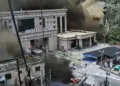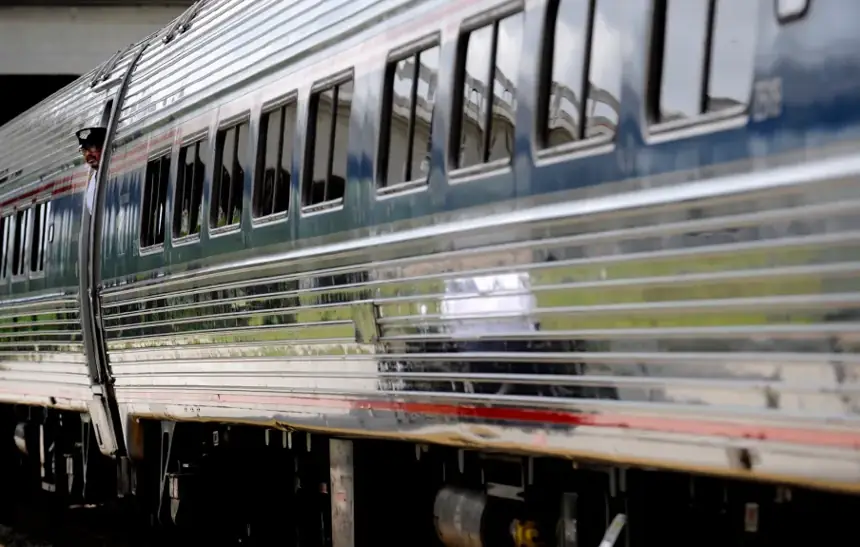
The Amtrak has suspended its Auto Train service in Florida after a wildfire disrupted a critical rail corridor, halting operations on one of its key long-distance routes. The company said the service cancellation affects routes connecting Lorton, Virginia, and Sanford, Florida, where passengers typically transport vehicles alongside rail travel.
The disruption highlights ongoing vulnerabilities in U.S. rail infrastructure to climate-related events, particularly in regions prone to seasonal wildfires. Officials have not confirmed a timeline for full service restoration, citing safety concerns and ongoing fire management efforts.
Service Disruption and Operational Impact
Amtrak confirmed that the Auto Train service was canceled due to wildfire activity encroaching on rail lines used by the route. The service typically operates daily, carrying both passengers and personal vehicles over a distance of approximately 855 miles (1,376 kilometers).

The company said it is monitoring conditions closely and coordinating with local authorities before resuming operations. Passengers affected by the cancellations were offered rebooking options or refunds, according to company statements.
Infrastructure and Safety Considerations
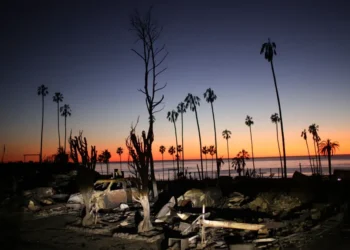
Wildfires pose a direct risk to rail infrastructure, including tracks, signaling systems, and surrounding vegetation. Rail operators often suspend service proactively when fires threaten track integrity or visibility conditions.
Transportation agencies prioritize safety in such scenarios, particularly when high-temperature conditions and smoke can impair both mechanical systems and operational oversight. In this case, officials indicated that the proximity of the wildfire to the rail corridor necessitated immediate service suspension.
Regulatory and Emergency Response Context
Local and state emergency agencies in Florida have been engaged in wildfire containment efforts, with transportation disruptions forming part of broader regional impacts. Rail operators like Amtrak typically coordinate with emergency management authorities before resuming operations in affected zones.
U.S. rail safety regulations require operators to ensure track conditions meet operational standards before services can restart. This includes inspections for heat-related damage, debris, or structural risks following wildfire exposure.
■ Related News


Market and Network Implications
The Auto Train service represents a niche segment of Amtrak’s network, combining passenger transport with vehicle logistics. Its suspension may have limited national network impact but carries operational and revenue implications due to its unique service model.
Industry analysts note that extreme weather events—including wildfires—are increasingly affecting transport reliability across rail, aviation, and road sectors. The incident underscores the growing need for climate resilience planning in transportation infrastructure.
Amtrak has not disclosed the financial impact of the disruption but indicated that updates would follow as conditions evolve.