The holiday flu surge is intensifying across multiple regions, with health authorities warning that increased travel and social gatherings are accelerating transmission. Public health officials say the seasonal uptick is placing added pressure on healthcare systems already managing winter respiratory illnesses.
According to reporting by CNN, clinicians are seeing a notable rise in influenza cases during the holiday period, prompting renewed guidance on isolation, vaccination, and early treatment. The trend underscores ongoing challenges in managing seasonal respiratory viruses in high-mobility periods.
Infection Rates Climb During Peak Holiday Travel
Surveillance data indicates that influenza activity typically increases during major holiday periods, driven by indoor gatherings and long-distance travel. Health authorities report that transmission risk is amplified in crowded settings such as airports, family events, and public transport systems.

Epidemiological patterns show that influenza spreads efficiently in colder months, but behavioral factors—particularly increased contact rates—play a critical role in accelerating outbreaks. Public health experts note that even short-term increases in mobility can significantly influence case trajectories.
An analytical assessment suggests that holiday-related mixing may contribute to localized spikes that persist into early January, complicating efforts to contain seasonal outbreaks.
Healthcare Systems Face Seasonal Capacity Pressures
Hospitals in several regions are reporting increased patient volumes linked to influenza and other respiratory infections. While most flu cases remain mild, vulnerable populations—including older adults, young children, and individuals with underlying conditions—face a higher risk of complications.
Clinicians cited in CNN reporting emphasize that early symptoms such as fever, fatigue, sore throat, and body aches should prompt individuals to limit contact with others and seek medical advice where necessary. Antiviral treatments, when administered early, may reduce severity and duration.
Health system strain during the holiday flu surge is compounded by concurrent circulation of other respiratory pathogens, increasing demand for diagnostic testing and inpatient care.


Vaccination and Early Treatment Remain Central to Response
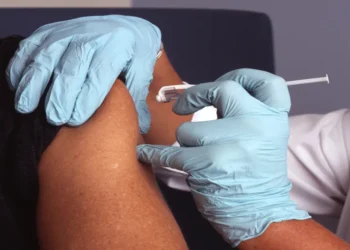
Public health agencies continue to stress that vaccination is the most effective preventive measure against severe influenza outcomes. According to global health guidance, flu vaccines are updated annually to match circulating strains, though effectiveness can vary depending on viral evolution.
Medical experts advise that individuals who test positive should isolate, rest, maintain hydration, and monitor symptoms. High-risk patients may be eligible for antiviral medications, which are most effective when taken within 48 hours of symptom onset.
An analytical perspective highlights that vaccine uptake disparities remain a persistent challenge, influencing the severity of seasonal outbreaks across different populations.
Public Health Guidance Focuses on Containment and Behavior
Health authorities recommend standard infection control measures, including frequent handwashing, mask use in crowded or high-risk environments, and avoiding close contact with vulnerable individuals while symptomatic. These interventions are considered critical during periods of heightened transmission.
CNN reports that individuals recovering from influenza are generally advised to remain at home until fever subsides for at least 24 hours without medication. This guidance aligns with broader efforts to reduce onward transmission in community settings.
Behavioral compliance during the holiday flu surge is seen as a key determinant of outbreak scale, particularly in densely populated or highly mobile regions.
Global Health Context Highlights Recurring Seasonal Risks
Seasonal influenza remains a significant global public health concern, causing millions of severe cases annually, according to the World Health Organization. While most countries have established surveillance systems, variability in healthcare access and vaccination coverage continues to shape outcomes.
Experts note that the holiday flu surge reflects broader structural challenges in managing predictable seasonal threats, including public fatigue with preventive measures and uneven health system preparedness.
An analytical conclusion suggests that strengthening vaccination campaigns and public health messaging ahead of peak travel periods could mitigate future seasonal spikes.