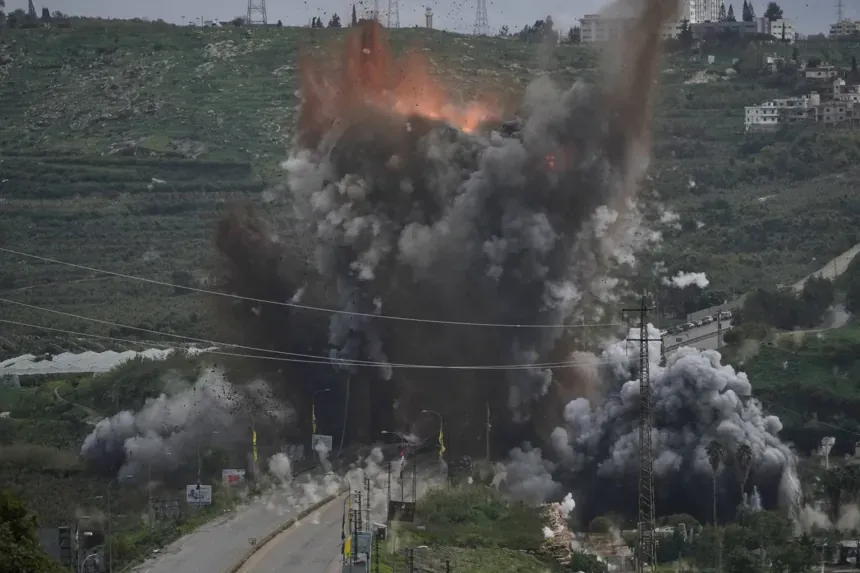
The global aviation system has been built on efficiency, connectivity, and predictable airspace access. A prolonged conflict in the Middle East challenges these foundations by disrupting key transit hubs, energy supplies, and passenger confidence. The consequences could extend far beyond the region, reshaping how airlines operate and how passengers travel across continents.
Introduction
For decades, the architecture of long-haul aviation has relied on a relatively stable geopolitical environment, particularly across critical transit regions. The Middle East—positioned between Europe, Asia, and Africa—has become one of the most important crossroads in this system. Airports in cities such as Dubai, Doha, and Abu Dhabi serve as central connectors, enabling millions of passengers to travel efficiently between distant global destinations.
Recent disruptions linked to conflict in the region have exposed how dependent aviation is on uninterrupted airspace access and reliable fuel supplies. According to reporting from BBC News, widespread flight cancellations, airspace closures, and fuel price volatility have already affected tens of thousands of services. These disruptions highlight structural vulnerabilities that extend beyond short-term operational challenges.

Understanding the broader implications requires examining the evolution of the Middle East’s aviation model, the systems that support it, and how sustained instability could force a reconfiguration of global air travel networks.
The Rise of the Gulf Aviation Model
The rapid growth of Middle Eastern aviation hubs is a relatively recent phenomenon. Over the past two decades, airlines such as Emirates, Qatar Airways, and Etihad Airways have transformed the region into a central transit point for long-haul travel.
This model relies on geographic advantage. Positioned within a roughly eight-hour flight radius of major population centers in Europe, Asia, and Africa, Gulf hubs enable “one-stop” connections between cities that would otherwise require multiple transfers. Analysts cited by the Financial Times and Reuters have noted that this positioning allows airlines to efficiently consolidate passenger flows across continents.
Unlike traditional hub-and-spoke systems—common in North America and Europe—the Gulf model focuses heavily on long-haul transit passengers rather than regional feeder traffic. According to aviation data firm OAG, a significant proportion of passengers passing through these hubs are connecting travelers rather than local arrivals.
This system has delivered both convenience and cost efficiency. Increased competition and capacity, particularly on long-haul routes, contributed to lower airfares globally. As Reuters has reported in past analyses, Gulf carriers played a key role in expanding access to international travel, especially between emerging markets.
■ Related News



Structural Dependence on Airspace Stability
The effectiveness of the Gulf aviation model depends heavily on uninterrupted access to regional airspace. Flights connecting Europe and Asia often pass through or near Middle Eastern corridors, making the region one of the busiest air traffic zones in the world.
Conflict disrupts this system in multiple ways. Airspace closures force airlines to reroute flights, often adding hours to journey times. In some cases, flights must be canceled entirely due to operational or safety constraints. According to Associated Press reporting, sudden airspace restrictions can create cascading effects across global flight schedules.
These disruptions also increase operational costs. Longer routes require more fuel, additional crew time, and adjustments to aircraft scheduling. Over time, these inefficiencies can reduce airline profitability and limit route availability.
The scale of the impact depends on the duration of the disruption. Short-term closures can be managed through temporary rerouting. However, prolonged instability raises deeper questions about the viability of relying on a single geographic region as a global transit hub.
Fuel Supply and Cost Pressures
Middle East conflict aviation impact on fuel markets
One of the most immediate consequences of regional instability is its effect on fuel supply chains. The Middle East is a major producer and exporter of jet fuel, supplying a substantial share of global aviation demand.
Disruptions to shipping routes—particularly through strategic chokepoints such as the Strait of Hormuz—can constrain supply. According to BBC News reporting, fears of restricted fuel flows have already contributed to price increases, with jet fuel costs rising sharply during periods of heightened tension.
Fuel represents one of the largest operating expenses for airlines. As the International Air Transport Association (IATA) has consistently emphasized, even modest increases in fuel prices can significantly affect ticket pricing and route viability.
Higher fuel costs tend to be passed on to consumers through increased fares. Over time, this could reverse some of the price reductions achieved during the expansion of Gulf carriers. It may also lead airlines to prioritize more profitable routes, reducing connectivity to smaller or less-served destinations.
Passenger Confidence and Behavioral Shifts
Beyond operational and economic factors, passenger perception plays a critical role in shaping aviation networks. Safety concerns—whether related to conflict, airspace risks, or the possibility of being stranded—can influence travel decisions.
Reports from BBC News and Reuters have documented instances of passengers reconsidering routes that transit through conflict-affected regions. Even if flights resume, lingering concerns about safety and reliability may persist.
Behavioral shifts can have long-term consequences. If travelers begin to favor alternative routes—such as connections through Southeast Asia or direct long-haul flights—airlines may adjust their networks accordingly. Competing hubs in cities like Singapore, Tokyo, and Bangkok could see increased demand.
However, rebuilding passenger confidence is not unprecedented. The aviation industry has historically recovered from crises, including the SARS outbreak, the September 11 attacks, and the COVID-19 pandemic. According to IATA and World Bank analyses, demand for air travel tends to rebound once stability returns, although recovery timelines can vary.
Limits of Alternative Aviation Hubs
While alternative hubs can absorb some displaced traffic, replacing the scale and efficiency of Gulf operations presents significant challenges. The Middle East accounts for a notable share of global aviation capacity, particularly in long-haul markets.
European and Asian carriers have already begun adjusting schedules to accommodate changes in demand. For example, airlines have increased direct flights between Europe and Asia, bypassing traditional Gulf transit points. However, as IATA leadership has indicated in public statements reported by Reuters, these adjustments cannot fully replicate the capacity provided by Gulf carriers.
Infrastructure constraints also play a role. Airport slot availability, aircraft range limitations, and fleet composition all affect how quickly airlines can adapt. Building new hubs or expanding existing ones requires years of investment and planning.
As a result, the global aviation system remains structurally reliant on Middle Eastern transit hubs, even as it explores alternatives.
Economic Implications for the Gulf Region
The aviation sector is closely tied to broader economic strategies in the Middle East, particularly in countries such as the United Arab Emirates and Qatar. Governments have invested heavily in aviation as part of diversification efforts aimed at reducing dependence on oil and gas revenues.
According to World Bank and IMF analyses, aviation contributes significantly to tourism, trade, and business connectivity in the region. Cities like Dubai have leveraged their status as global hubs to attract investment, talent, and international visitors.
Disruptions to air travel can therefore have wider economic consequences. Reduced passenger volumes affect not only airlines but also hotels, retail sectors, and service industries that depend on transit and tourism.
The longer instability persists, the greater the risk that these interconnected sectors will face sustained pressure. However, past crises suggest that recovery is possible if stability is restored and confidence returns.
Why the System Has Proven Resilient
Despite current challenges, the aviation industry has demonstrated resilience in the face of repeated disruptions. Analysts cited by Reuters and Financial Times emphasize that global air travel demand tends to recover over time, driven by economic growth and the fundamental need for connectivity.
The Gulf model itself has previously faced skepticism, particularly during the COVID-19 pandemic, when long-haul travel demand collapsed. Yet major carriers in the region returned to profitability relatively quickly as travel resumed.
Several factors contribute to this resilience:
- Strong underlying demand for international travel
- Flexible airline business models
- Continued investment in modern aircraft and infrastructure
- Government support in key aviation markets
These elements suggest that while the current disruption is significant, it may not permanently dismantle the existing system.
Conclusion
The impact of a prolonged Middle East conflict on global aviation extends beyond immediate flight disruptions. It exposes structural dependencies on stable airspace, affordable fuel, and centralized transit hubs. The Gulf aviation model—built on geography, efficiency, and scale—faces renewed scrutiny as airlines and passengers reassess risk and reliability.
What remains clear is that no single region can easily replace the role the Middle East plays in connecting global air travel. While alternative routes and hubs may gain importance, the system’s core architecture is likely to persist in some form. The key uncertainty lies in how long instability continues and how deeply it alters passenger behavior and airline strategy. As with previous crises, recovery is possible, but the pathway may reshape how the world flies.