A car bomb that killed a senior Russian military official in Moscow has sharpened concerns that the war in Ukraine is entering a more volatile phase, where covert operations increasingly intersect with fragile diplomatic efforts. The attack comes as ceasefire discussions between Moscow, Kyiv, and Washington show limited progress, raising the risk of further escalation beyond the battlefield.
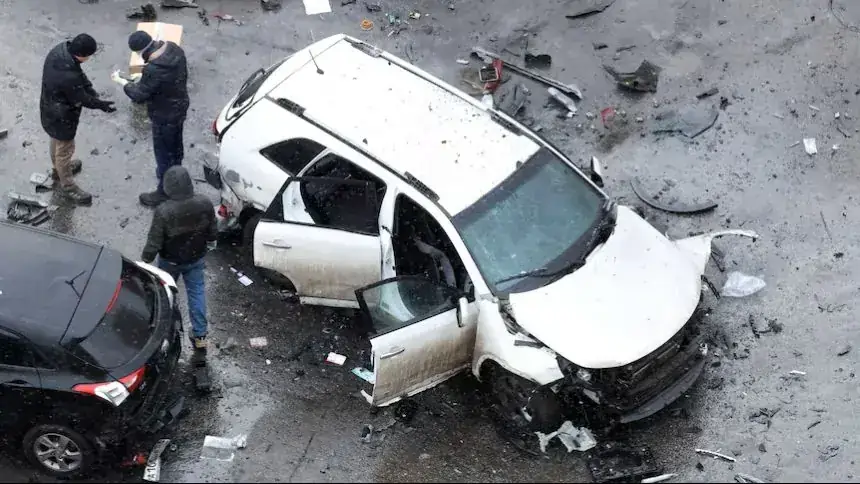
According to a report by ABC News, Lieutenant General Fanil Sarvarov was killed when an explosive device detonated beneath his vehicle in a residential district in southern Moscow. Russian authorities have opened a criminal investigation, with early indications pointing toward possible involvement by Ukrainian special services.
Command Vulnerability Exposed Inside Russian Territory
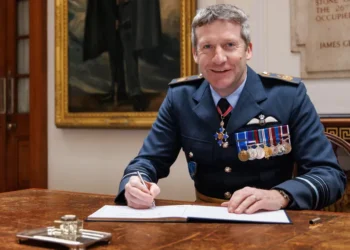
The killing highlights a growing pattern of targeted strikes against Russian military leadership, increasingly extending into the country’s interior. Sarvarov, who led the General Staff’s training directorate, represents a category of high-value personnel whose removal carries both symbolic and operational consequences.

Russian investigators, including the Investigative Committee of Russia, said they are exploring multiple lines of inquiry, including what they described as the potential role of Ukrainian intelligence-linked actors. While Kyiv has not publicly commented, similar attacks in recent months have been attributed—directly or indirectly—to Ukrainian operations.
The ability to carry out such an हमला in Moscow suggests gaps in domestic security layers once considered robust, potentially forcing Russian authorities to divert resources inward. This shift may complicate command continuity and raise questions about the protection of senior officers beyond active combat zones.
Strategic Pressure Builds as War Extends Beyond Frontlines
Sarvarov’s death adds to a series of incidents targeting pro-Kremlin figures and military officials, reinforcing a trend toward asymmetric tactics. Such operations, while limited in scale, can have outsized psychological and strategic effects, particularly when they occur far from active frontlines.
The attack also reflects an evolving battlespace in which Ukraine—or actors aligned with its interests—appear increasingly willing to project pressure deep into Russian territory. This dynamic introduces new escalation variables, particularly if retaliatory measures broaden in scope or intensity.
Sarvarov’s military background included service in the North Caucasus conflicts and oversight roles during Russia’s intervention in Syria, placing him within a cadre of experienced commanders tied to Moscow’s modern expeditionary operations.


Diplomatic Momentum Faces Mounting Strain
The timing of the assassination coincides with ongoing negotiations aimed at ending nearly four years of war. Talks involving Russian and Ukrainian representatives, mediated by the United States, have produced limited forward movement despite what participants have described as constructive engagement.
Ukrainian negotiator Rustem Umerov and US envoy Steve Witkoff characterized recent discussions as productive, while Russian representatives signaled a more cautious outlook. Deputy Foreign Minister Sergei Ryabkov said only gradual progress had been achieved, reflecting persistent gaps between the parties.
Proposals linked to Donald Trump have reportedly aligned with several Russian demands, prompting concern in Kyiv and among European governments. Ukrainian officials continue to resist conditions that would involve territorial concessions, particularly in the contested Donbas region.
Regional Deterrence Tested as Conflict Enters New Phase
The intersection of targeted killings and stalled diplomacy is likely to complicate already fragile ceasefire efforts. Each high-profile assassination risks reinforcing mistrust between negotiating parties, narrowing the political space for compromise.
Ukrainian President Volodymyr Zelensky has previously questioned Moscow’s willingness to pursue a genuine settlement, while Russia has pushed back against broader European involvement in negotiations, favoring a more limited diplomatic framework.
As the conflict continues, the expansion of covert operations into urban centers signals a shift in how pressure is applied. While such tactics may deliver tactical gains, they also raise the probability of miscalculation—particularly if escalation begins to outpace diplomatic containment.
Escalation Risks Outpace Diplomatic Containment
The assassination of a senior general inside Moscow underscores a widening gap between military developments and diplomatic progress. With negotiations advancing slowly and battlefield dynamics evolving, the risk is not only prolonged conflict but a deeper entrenchment of unconventional warfare tactics.
If current trends persist, targeted operations and retaliatory measures may increasingly shape the trajectory of the war—potentially complicating any pathway toward a negotiated settlement.