Thailand and Cambodia are set to resume ceasefire negotiations this week as deadly clashes along their shared border continue to intensify, with regional and global actors urging restraint and a durable resolution to one of Southeast Asia’s most volatile disputes.
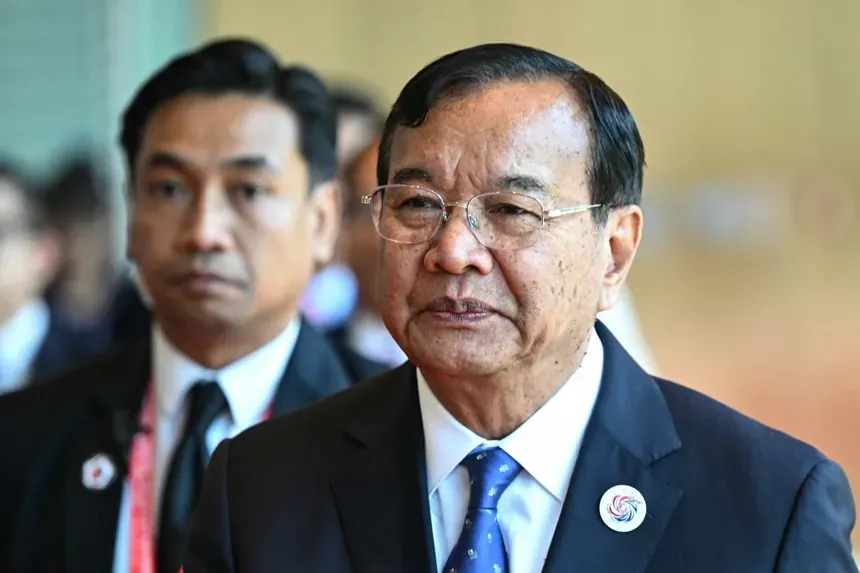
Thai Foreign Minister Sihasak Phuangketkeow said talks between both countries would continue on Wednesday under a bilateral framework, emphasizing that progress depends on direct negotiations rather than external pressure. His remarks, made after an Association of Southeast Asian Nations (ASEAN) foreign ministers’ meeting in Kuala Lumpur, signal a renewed push to stabilize the conflict through regional diplomacy.
Officials familiar with the discussions told Reuters that earlier ceasefire efforts, including a deal reached in October, lacked sufficient operational detail and have struggled to hold amid ongoing military activity and mutual accusations.

Diplomatic Pressure Builds in Southeast Asia
The October ceasefire, initially promoted with international backing, including U.S. involvement, was designed to halt escalating violence. However, Thai officials have since argued that the agreement was rushed and insufficiently detailed to ensure lasting compliance.
Sihasak said Cambodia had publicly expressed willingness for an unconditional ceasefire but that Bangkok had not received any formal proposal. He added that public statements were often aimed at increasing international pressure rather than resolving core issues through negotiation.
Reporting from The Associated Press indicates that ASEAN foreign ministers collectively called for de-escalation, reflecting growing concern within the region over the conflict’s trajectory and its potential to destabilize cross-border relations.
Renewed Fighting Undermines Ceasefire Efforts
The conflict intensified earlier this month, with fighting resuming after a border skirmish wounded Thai soldiers. According to Thai authorities, subsequent clashes included airstrikes using F-16 fighter jets, while Cambodian forces responded with heavy rocket fire.
More than three dozen people have been reported killed on both sides in the latest wave of fighting, with over half a million civilians displaced, according to official estimates cited by international agencies.




The escalation has effectively undermined earlier peace arrangements and raised concerns that localized clashes could evolve into a broader regional security issue if left unresolved.
International and Regional Mediation Efforts
Malaysia, which currently chairs ASEAN, has reiterated calls for restraint, while the Philippines—set to assume the chair next year—has indicated its readiness to act as a mediator if requested.
The U.S. Department of State has also urged both sides to end hostilities and fully implement existing peace accords, including provisions related to weapons withdrawal and humanitarian demining. Officials speaking to Reuters emphasized the importance of restoring compliance with agreed mechanisms to prevent further escalation.
Analysts note that the involvement of multiple external actors highlights the strategic significance of the dispute within Southeast Asia’s broader geopolitical landscape, where stability and maritime security remain key priorities.
Ground-Level Tensions and Ceasefire Challenges
Despite diplomatic efforts, violence continues along several fronts. Cambodia has accused Thailand of targeting civilian areas, while Thailand has alleged that newly planted landmines have caused injuries to its troops.
Thai officials claim that some of the mines were confirmed by an ASEAN observer team to be newly laid, describing the situation as a violation of prior agreements. Cambodia, however, maintains that unexploded mines are remnants from its past civil conflict.
Both sides have exchanged formal protests, with Thailand signaling its intention to raise the issue under international frameworks governing anti-personnel mines.
Strategic Stakes Rise Amid Ongoing Displacement
The humanitarian toll continues to mount as communities near the border face displacement and infrastructure disruption. Military activity has also complicated access to aid and demining operations, according to regional observers.
The persistence of the conflict underscores the fragility of ceasefire arrangements that lack detailed enforcement mechanisms. As talks resume, the outcome is likely to shape not only bilateral relations but also ASEAN’s role as a regional conflict mediator.
With both sides maintaining firm positions, the upcoming negotiations will test whether bilateral dialogue can overcome entrenched mistrust and establish a sustainable framework for peace.