The anticipated boost to U.S. consumer spending from larger tax refunds is likely to be offset by higher gasoline prices, according to economist estimates and recent market data. Analysts indicate that the increase in fuel costs could absorb much of the additional disposable income generated by recent tax changes, limiting broader economic momentum.
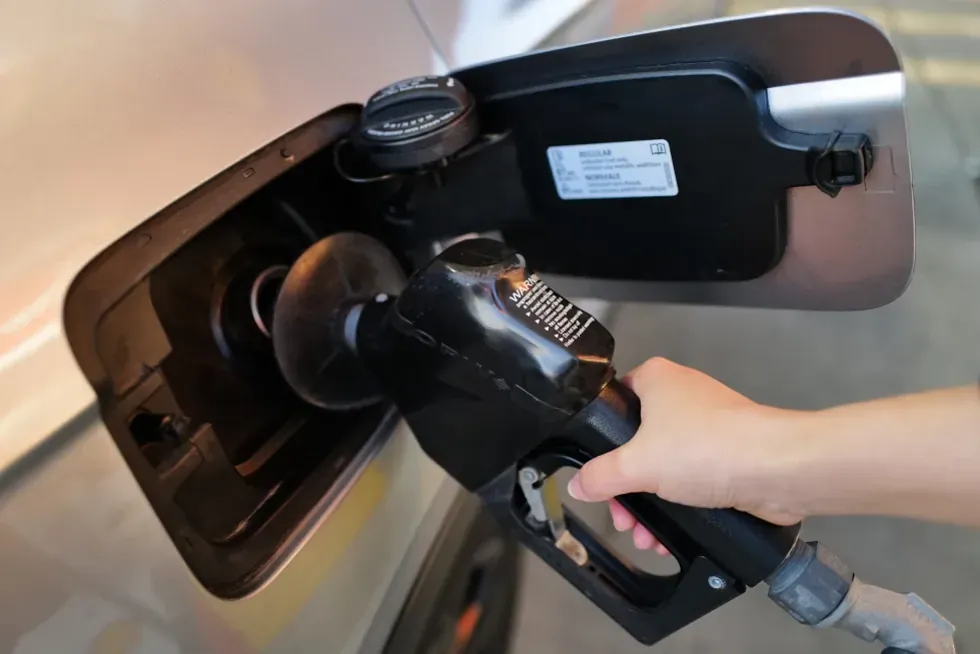
Early projections tied to tax policy adjustments suggested a stronger start to the year for household consumption. However, a sharp rise in energy prices following geopolitical disruptions has altered that outlook, with fuel expenses emerging as a primary constraint on discretionary spending.
Energy Costs Erode Fiscal Gains
Economists estimate that U.S. households may face significantly higher fuel expenses in 2026, potentially offsetting gains from increased tax refunds. Analysis cited by Oxford Economics suggests that if gasoline prices average around $3.70 per gallon this year, total consumer fuel costs could reach approximately $70 billion, exceeding the roughly $60 billion increase in aggregate tax refunds.

Separate projections from the Tax Foundation indicate that the average household could receive an additional $748 in tax refunds. However, estimates based on oil price forecasts referenced by academic research suggest that higher gasoline costs alone could approach a comparable annual increase per household.
Data from the Internal Revenue Service, as reported by AP News, shows average tax refunds have risen to $3,676 through early March, an increase of $352 compared with the prior year. Analysts note that refund values may increase further as more complex filings are processed, though the net benefit remains uncertain given energy price volatility.
Consumer Spending Patterns Under Pressure
Recent spending data points to a shift in household expenditure toward essential goods, particularly fuel. According to data compiled by the Bank of America Institute, gasoline spending on credit and debit cards rose 14.4% year-over-year in the week ending March 14, reversing earlier trends when fuel spending had been below prior-year levels.
At the same time, discretionary spending categories—including dining, travel, and electronics—continue to grow modestly but show limited acceleration. Analysts suggest that sustained high fuel costs could gradually constrain these segments, reducing the overall contribution of consumer spending to economic growth.
Lower- and middle-income households are expected to be disproportionately affected. Industry estimates indicate that lower-income groups allocate a larger share of their income to fuel, amplifying the impact of price increases relative to higher-income consumers.
■ Related News


Macroeconomic Outlook Adjusted
The shift in consumption dynamics has prompted revisions to broader economic forecasts. Economists at Oxford Economics have lowered their U.S. growth projection to 1.9% for the year, down from a previous estimate of 2.5%, citing energy price pressures as a key factor.
Higher gasoline prices are also expected to contribute to near-term inflationary pressures, while simultaneously weighing on real consumption growth. Analysts note that this combination may complicate the broader macroeconomic trajectory, particularly as labor market momentum shows signs of moderation and household savings rates remain under pressure.
Despite these headwinds, most forecasts continue to point to continued economic expansion, supported by underlying resilience in consumer and business activity. However, the expected uplift from fiscal measures such as increased tax refunds appears likely to be more limited than initially projected.