The renewed debate over the identity of Banksy is drawing attention to a broader cultural question: how much anonymity matters in shaping artistic value and public engagement. Recent reporting by Reuters has reignited long-standing speculation about the artist’s identity, prompting mixed reactions among audiences and art market observers.
While some fans express concern that revealing the individual behind the work could diminish its mystique, others—including gallery professionals—suggest that the cultural and financial significance of the work remains largely unaffected. The episode reflects evolving attitudes toward authorship, celebrity, and meaning in contemporary art.
Data Behind the Trend
Research into art market behavior consistently shows that provenance and narrative influence valuation, but not always in predictable ways. According to reports cited by Art Basel and UBS in their annual Art Market Report, collector demand is often driven by cultural relevance and institutional recognition rather than solely by artist identity.

In Banksy’s case, auction results over the past decade—including multimillion-dollar sales and high-profile stunts such as self-destructing artworks—indicate sustained demand independent of confirmed authorship. Analysts note that scarcity, symbolism, and media visibility play a central role in pricing.
This suggests that anonymity may function more as an added narrative layer than a core determinant of value.
Cultural Meaning of Anonymity
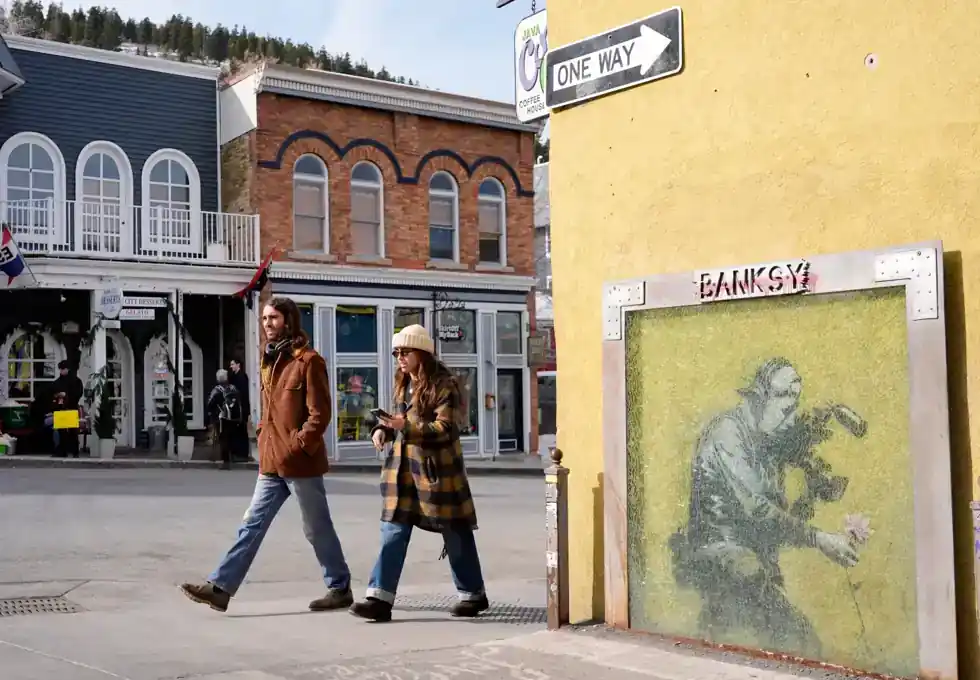
Anonymity has historically played a complex role in artistic expression, particularly in movements rooted in political critique. Banksy emerged from the street art traditions of Bristol, where unsigned public works were often used to challenge authority and institutional control.
Scholars in cultural studies argue that anonymity can shift attention away from the creator and toward the message. In Banksy’s work, themes such as conflict, inequality, and state power are frequently foregrounded in locations ranging from Bethlehem to urban centers in Europe.
From this perspective, the lack of a fixed identity has allowed the work to circulate globally without being anchored to a single biography or personality.
■ Related News




Audience Reactions and Digital Culture
Public response to the latest identity claims reflects broader dynamics in digital culture, where transparency and exposure often coexist with a desire for mystery. Social media reactions cited by Reuters reporting indicate that some audiences view the potential unmasking as diminishing the “experience” of the art.
At the same time, the widespread availability of information online has already made the artist’s alleged identity accessible for years. Media scholars note that such “open secrets” are common in contemporary culture, where information exists publicly but gains renewed attention when validated by major institutions.
The reaction highlights a tension between participatory culture—where audiences seek deeper knowledge—and the appeal of curated ambiguity.
Art Market and Institutional Perspective
Gallery professionals and market analysts suggest that the commercial impact of identifying Banksy is likely to be limited. Dealers interviewed in international reporting emphasize that collectors are primarily motivated by the aesthetic and political resonance of the works.
The continued presence of Banksy pieces in auctions and exhibitions, alongside new works appearing in global locations, supports the view that market confidence remains stable. According to art market observers, the artist’s ability to respond to current events—such as conflicts or social movements—contributes significantly to ongoing relevance.
This indicates that adaptability and thematic engagement may outweigh questions of authorship.
Broader Implications for Contemporary Art
The debate surrounding Banksy’s identity points to a larger shift in how art is consumed and interpreted in the 21st century. As digital platforms amplify visibility and documentation, the distinction between artist and artwork becomes increasingly fluid.
Experts suggest that anonymity, once a protective or subversive strategy, now operates as part of a broader media ecosystem in which narrative, speculation, and exposure all contribute to cultural value.
In this context, the discussion is less about confirming a name and more about understanding how meaning is constructed—through the work itself, its setting, and the audience engaging with it.