HAVANA — Cuba’s power grid collapse has intensified concerns over the island’s deepening energy crisis, as a third nationwide blackout in March underscores mounting infrastructure failures and external supply pressures with international implications.
The outage, confirmed by the Cuban Electric Union on Saturday, left the entire country without electricity after a generating unit failed at a major thermoelectric plant. The disruption highlights the fragility of Cuba’s energy system at a time when fuel shortages and geopolitical tensions are constraining recovery efforts.
The latest Cuba power grid collapse comes amid heightened scrutiny of the country’s economic resilience and its strained access to global energy markets, raising questions about regional stability and the impact of external policy pressures.

Energy System Instability Deepens
Officials from Cuba’s Ministry of Energy and Mines said the blackout originated from an unexpected malfunction at the Nuevitas thermoelectric plant in Camagüey province, triggering a cascading failure across the national grid. Emergency protocols were activated to restore limited electricity through isolated “micro-islands” prioritizing hospitals and essential services.
Analysts note that repeated system-wide failures point to structural weaknesses rather than isolated technical faults. Aging infrastructure, combined with inconsistent fuel supply, has made the grid increasingly vulnerable to sudden disruptions.
According to reporting from The Associated Press, this marks the third nationwide blackout in March and the second within a week, signaling a deterioration in grid stability despite ongoing repair efforts.
Fuel Shortages and Sanctions Pressure
Cuban authorities have linked the crisis to a sustained drop in fuel imports, with President Miguel Díaz-Canel stating the country has not received oil shipments from foreign suppliers for several months. Domestic production currently covers only a fraction of national demand.
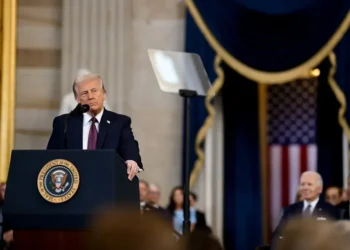
The government has also attributed the shortages to external pressures, particularly policies associated with Donald Trump, whose administration has warned of tariffs on countries supplying oil to Cuba. These measures form part of broader demands for political and economic reforms in exchange for sanctions relief.


Energy analysts interviewed by international outlets suggest that such restrictions have compounded Cuba’s difficulty in securing alternative suppliers, tightening an already constrained energy market.
Regional Alliances and Supply Disruptions
Cuba’s long-standing reliance on external partners for fuel has also been affected by shifting regional dynamics. Reduced support from traditional allies, including disruptions tied to political changes in Venezuela, has further limited access to subsidized oil shipments.
This evolving landscape has left Cuba more exposed to global energy price fluctuations and diplomatic pressures, increasing the strategic importance of stable supply channels.
Experts say the convergence of declining infrastructure capacity and geopolitical isolation is creating a feedback loop that makes recovery increasingly difficult.
Socioeconomic Impact Expands
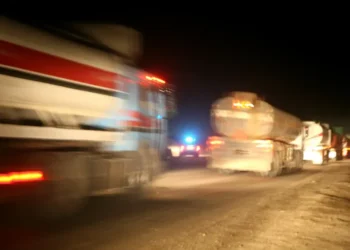
The repeated blackouts have had widespread consequences for daily life and economic activity. Extended outages—sometimes lasting up to 12 hours—have disrupted workplaces, halted industrial production, and led to food spoilage due to refrigeration failures.
Healthcare services have also been affected, with some hospitals reportedly postponing surgeries due to power shortages. These disruptions highlight the humanitarian dimension of the crisis, as essential services struggle to operate under unstable conditions.
Beyond immediate impacts, economists warn that continued energy instability could further weaken investor confidence and slow economic recovery efforts.
Strategic Stakes Rise
The ongoing Cuba power grid collapse reflects broader tensions at the intersection of domestic infrastructure challenges and international policy pressures. While authorities are working to restore electricity, the recurrence of nationwide outages suggests that short-term fixes may be insufficient without systemic upgrades and improved fuel access.
Observers note that the situation could influence regional diplomatic dynamics, particularly as energy security becomes an increasingly central issue in global relations.
Looking ahead, the trajectory of Cuba’s energy crisis will likely depend on both internal reforms and shifts in external policy, with implications extending beyond the island to broader geopolitical and economic networks.