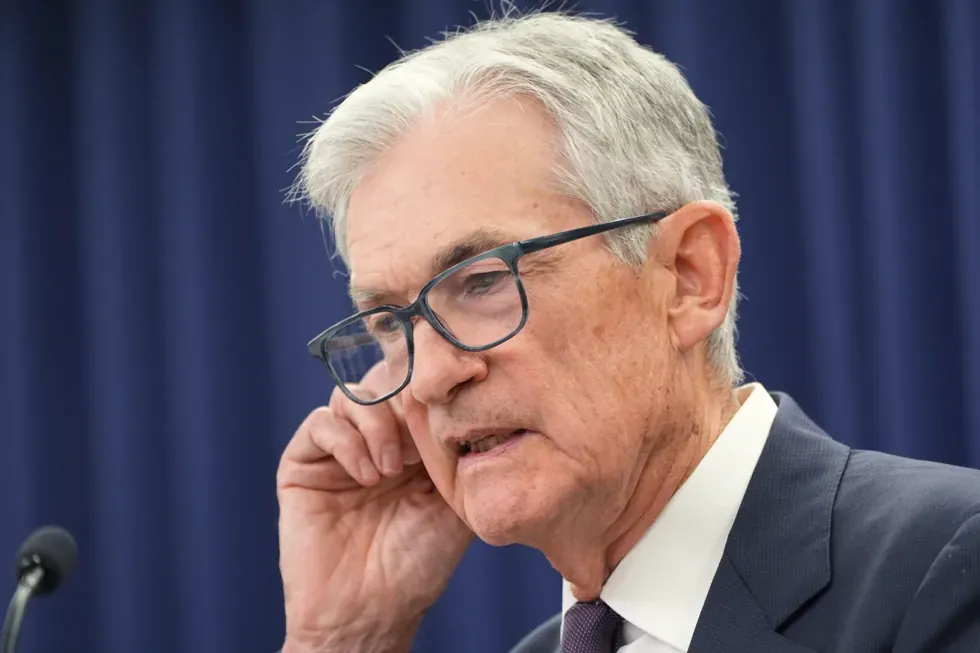
The Federal Reserve kept its benchmark interest rate unchanged on Wednesday while signaling heightened uncertainty around inflation and economic growth, as Chair Jerome Powell pointed to geopolitical tensions and uneven domestic data that could delay further monetary easing.
The Fed’s decision leaves the federal funds rate at 3.6%, following three rate cuts in 2024, according to central bank projections. Policymakers maintained expectations for at least one additional rate reduction this year, but Powell emphasized that any move would depend on sustained progress in bringing inflation down toward the 2% target.
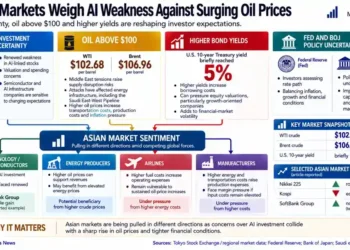
The policy stance comes amid rising energy costs linked to global tensions and signs of softening in U.S. labor markets, complicating the Fed’s dual mandate of price stability and maximum employment.

Inflation Pressures and Policy Uncertainty
Powell underscored the uncertain economic impact of the ongoing Iran-related conflict, particularly on energy markets. “Nobody knows,” he said, referring to potential effects on inflation and growth.
The Fed remains cautious as inflation, measured by its preferred index, stood at 2.8% in January, up from 2.3% a year earlier and still above the central bank’s target, according to data cited in regulatory filings and central bank releases.
Market analysts note that policymakers are balancing the risk of persistent inflation against weakening labor indicators. “They do not want to continue to miss” the inflation target, said Nathan Sheets, chief economist at Citi, a former Fed economist, as cited by market commentary.
Economic Data Reflects Mixed Signals
Recent economic indicators highlight the challenge facing policymakers. The U.S. economy has experienced both persistent inflationary pressures and signs of labor market softness, with employers shedding 92,000 jobs in February following gains in January, according to government data.
The unemployment rate edged up to 4.4% from 4.3%, suggesting a gradual cooling in hiring conditions. Meanwhile, consumer prices are expected to rise further in the short term due to higher fuel costs, with gasoline prices reaching an average of $3.84 per gallon, according to AAA data.
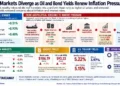


Fed officials indicated that such supply-driven price increases may prove temporary if geopolitical disruptions ease, allowing inflation to decline later in the year without requiring additional tightening.
Market Reaction and Investor Sentiment
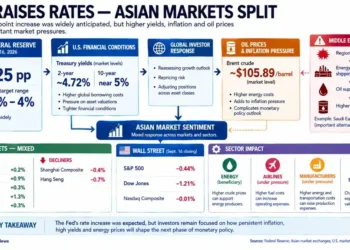
Financial markets reacted negatively to the Fed’s cautious tone, with the S&P 500 falling 1.4% on the day, reflecting investor concerns over prolonged high interest rates and weaker growth prospects.
Market data compiled by major financial outlets indicate that equity investors had anticipated clearer signals on rate cuts, but Powell’s comments suggested a more data-dependent and potentially delayed easing cycle.
Tim Duy, chief economist at SGH Macro, said the Fed’s updated projections appeared “stale,” as policymakers had not fully incorporated the potential economic effects of the Iran conflict.
Leadership and Governance Context
Powell also addressed questions regarding his tenure, stating he has “no intention” of leaving the Fed while a Justice Department investigation into his congressional testimony remains unresolved.
A federal judge recently dismissed subpoenas tied to the investigation, though U.S. Attorney Jeannine Pirro has indicated plans to appeal. Powell’s current term as chair is set to expire in May, with President Donald Trump nominating former Fed official Kevin Warsh as a potential successor.
Even after the transition, Powell could remain on the Federal Reserve Board until his term ends in 2028, though he has not made a final decision.
Outlook and Policy Direction
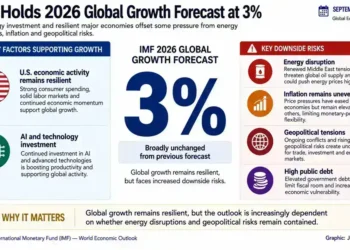
The Fed’s updated projections slightly raised inflation expectations for 2025 to 2.7%, while also modestly increasing growth forecasts and maintaining an unemployment outlook of 4.4%, according to the central bank’s quarterly summary.
Officials continue to monitor both core and headline inflation trends, with energy price volatility expected to temporarily lift overall price levels. However, policymakers reiterated that sustained disinflation remains a prerequisite for additional rate cuts.