The Gulf states are recalibrating their security posture after Iranian strikes targeted American military facilities and key infrastructure across the Arabian Peninsula, raising the prospect of a broader regional confrontation.
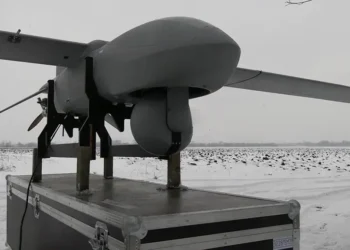
In what officials describe as a direct challenge to sovereignty, Iran has launched waves of missiles and drones toward countries hosting US forces, placing the Gulf Cooperation Council (GCC) at the center of a confrontation it had sought to avoid. The fallout is reshaping calculations from Doha to Abu Dhabi as leaders weigh whether defensive restraint remains viable.
As first reported by Reuters and confirmed in regional briefings, several projectiles were intercepted, though debris and drone incursions have caused casualties and infrastructure disruption. The strategic question facing Gulf capitals is no longer whether they are implicated in the conflict—but how far deterrence has eroded.

Command Fractures Surface as Sovereignty Tested
“All the red lines have already been crossed,” Qatar’s foreign ministry spokesperson Majed al-Ansari said during a press briefing, remarks carried by Al Jazeera. He cited repeated attacks on infrastructure and residential zones, warning that such actions “cannot go unanswered.”
The statement reflects a shift in tone. While Gulf governments initially emphasized de-escalation, language has hardened as strikes extended beyond military compounds to energy and civilian sites. Even limited physical damage carries strategic weight in economies that rely heavily on stability and investor confidence.
Iran’s apparent objective, regional analysts say, is to raise the cost of hosting US forces without triggering immediate all-out retaliation. By targeting bases while avoiding mass casualties, Tehran appears to be probing deterrence thresholds rather than seeking decisive escalation.
Yet the approach risks unintended consequences. Persistent pressure on Gulf territory could narrow diplomatic maneuvering room for leaders who have long balanced ties between Washington and Tehran.
Strategic Depth Shrinks for Energy Hubs
The strain is particularly acute for the Gulf Cooperation Council, whose six members—Saudi Arabia, Kuwait, Qatar, Bahrain, United Arab Emirates and Oman—convened in emergency session to affirm collective defense commitments.
■ Related News



The bloc pledged to “take all necessary measures” to safeguard territory and residents, signaling that patience may not be indefinite.
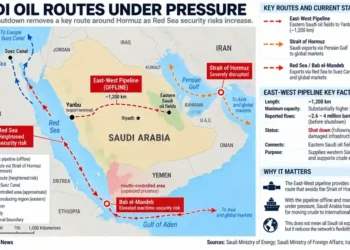
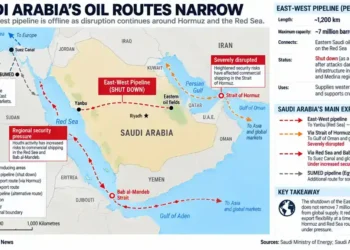
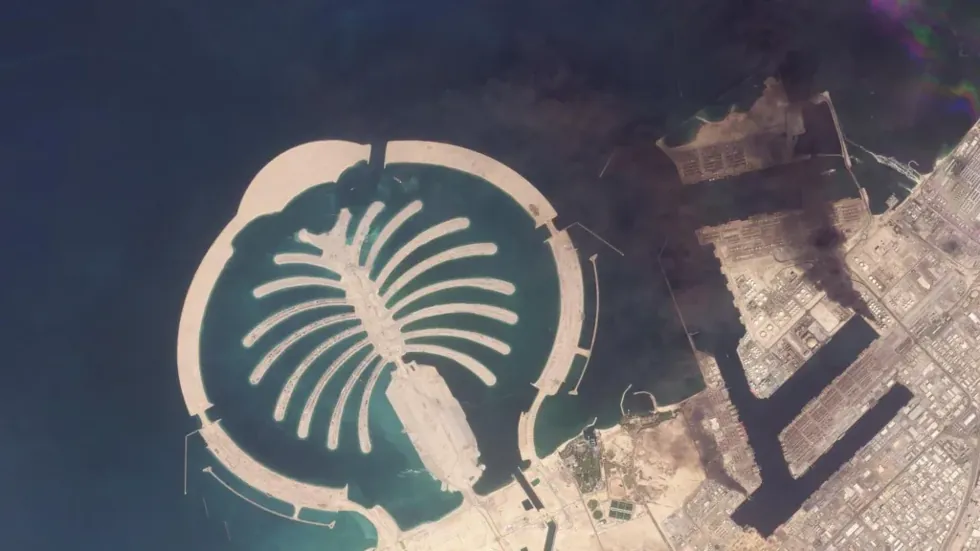
Iran’s strikes have targeted American facilities but have also disrupted air traffic, port operations and segments of oil and gas infrastructure. Even when intercepted, falling debris has ignited fires and temporarily halted commercial activity. In financial centers like Dubai and Doha, the perception of vulnerability carries implications beyond immediate damage.
The region’s economic model—anchored in energy exports, logistics and tourism—depends on an image of reliability. Sustained attacks could ripple through global energy markets, particularly if shipping lanes or processing facilities are affected.
Diplomatic Space Narrows Under Pressure
Thus far, Gulf governments have resisted allowing their airspace to be used for direct US strikes against Iran. That restraint reflects domestic sensitivities, particularly given widespread regional anger over Israel’s operations in Gaza and military actions in Lebanon and Syria.
However, diplomatic space is tightening. According to reporting by the Financial Times, Iran has directed nearly as many drones toward the United Arab Emirates as toward Israel in recent days, underscoring the scale of the campaign.
Anwar Gargash, senior diplomatic adviser to the Emirati president, warned Tehran publicly to reconsider its approach, writing that “your war is not with your neighbours,” in comments posted on X.
Behind the scenes, Gulf leaders are weighing whether continued neutrality is sustainable if strikes persist. Participation in active military operations remains unlikely in the immediate term, but the calculus could shift should civilian casualties mount or energy infrastructure suffer sustained damage.
Regional Deterrence at an Inflection Point
Iran’s strategy appears designed to compel Gulf capitals to pressure Washington toward de-escalation. Yet sustained violations of sovereignty risk consolidating Gulf alignment with the United States rather than fracturing it.
The longer the confrontation endures, the more likely Gulf governments may conclude that deterrence requires visible collective action—whether through enhanced missile defense coordination, expanded security cooperation with Washington, or calibrated retaliatory measures.
For now, the Gulf states remain formally outside the core battlefield. But repeated strikes on their territory have blurred that distinction. The coming weeks will determine whether restraint holds—or whether a conflict they sought to avoid becomes structurally unavoidable.