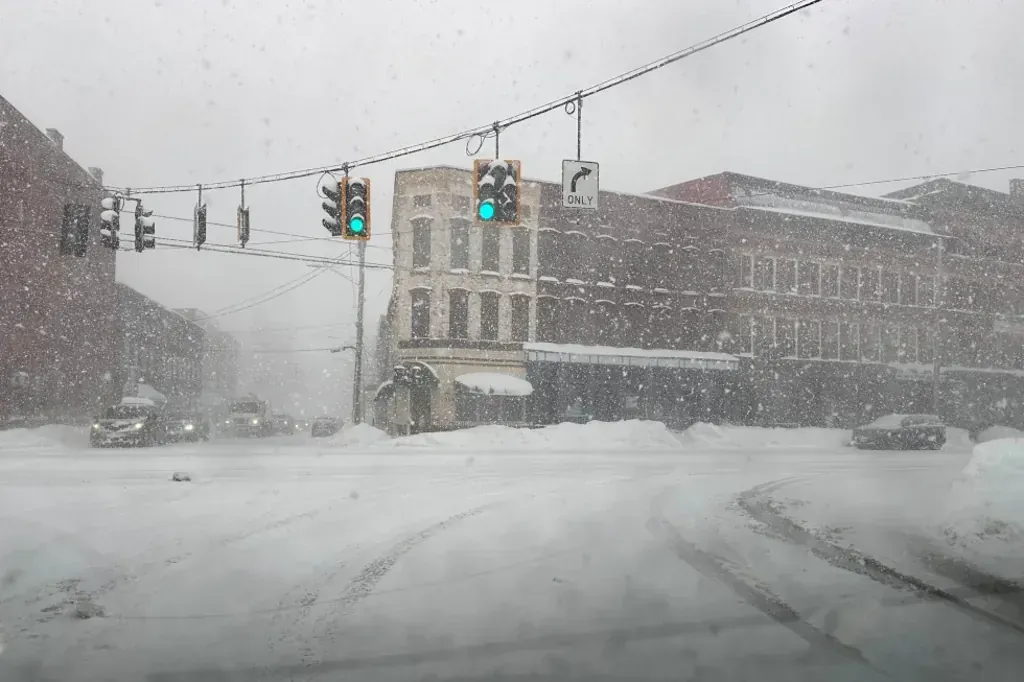
ATLANTA (JN) – A vast winter storm system is set to sweep across the eastern two-thirds of the United States, bringing a mix of heavy snow, damaging ice and extreme cold that forecasters say could disrupt daily life for days and strain power and transportation systems across multiple regions.
The storm, forecast to develop from the Southwest and push steadily eastward, is expected to affect a broad corridor from Texas through the South and into the Northeast, before ushering in an intense surge of Arctic air. Weather authorities say the combination of ice accumulation, snow load and bitter cold could produce impacts comparable to major hurricanes in some areas, particularly where ice damages power lines and trees.
According to U.S. forecasters, around 160 million people are under winter storm, ice or extreme cold alerts as state and local governments prepare for potential outages, school closures and hazardous travel.
A sprawling storm with multiple hazards
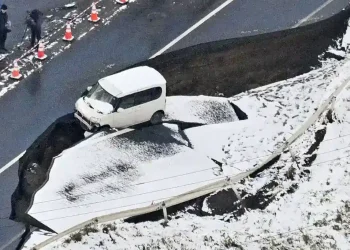
The storm is expected to begin Friday in parts of New Mexico and Texas, spreading quickly across the Deep South before tracking up the Eastern Seaboard and intensifying over the Mid-Atlantic and New England. Ice is forecast to be the dominant threat in a large swath of the South, while snow totals could reach up to 30 centimeters in parts of the central Plains, Midwest and Northeast, including major cities along the East Coast.
Forecasters also warn of a severe cold wave following the storm. Wind chills could plunge as low as minus 50 degrees Fahrenheit (minus 46 Celsius) in parts of the northern Plains, conditions that can cause frostbite within minutes and make outdoor activity life-threatening.
Freezing temperatures are expected to extend unusually far south, potentially reaching northern Florida. The prolonged cold may slow recovery efforts, as ice-covered roads and downed power lines could remain hazardous well into next week.
Schools, utilities and governments prepare
As Arctic air flowed south ahead of the storm, school districts in cities such as Chicago and Des Moines announced closures, citing wind chills forecast to drop below minus 30 degrees Fahrenheit. Officials said conditions would be too dangerous for students walking or waiting outdoors.
Utility providers across multiple states have mobilized repair crews in anticipation of outages. Ice storms are especially destructive because accumulated ice adds weight to tree limbs and power lines, increasing the likelihood of failures that can take days to fix.
In Texas, where a deadly cold snap in 2021 collapsed much of the state’s power grid, officials sought to reassure residents. Governor Greg Abbott said the system is better prepared than in the past, while energy companies reported thousands of workers on standby. CenterPoint Energy, which serves more than 2.8 million customers in the Houston area, said it has deployed crews and equipment in advance.
Forecast uncertainty adds to anxiety
Meteorologists caution that winter storms are notoriously difficult to predict with precision. Small temperature differences can determine whether precipitation falls as rain, sleet, ice or snow, dramatically changing local impacts.
Georgia Governor Brian Kemp declared a state of emergency, noting that forecasts for the Atlanta area varied widely, from severe icing scenarios to minimal impacts. Similar uncertainty has fueled anxiety across the South, where severe winter weather is less common and infrastructure is often less resilient to ice.
In the days leading up to the storm, residents in several states reported runs on groceries, batteries and water. Hardware stores in Kentucky and elsewhere saw brisk sales of ice melt and snow shovels, while road crews from Oklahoma to Tennessee began pre-treating highways with brine.
Public warnings and contingency plans
Governors and emergency officials across the region urged residents to prepare for extended disruptions. Virginia’s governor warned that some communities should be ready to endure days without power or reliable travel. Arkansas transportation officials cautioned that thick ice could take significant time to clear, even after the storm passes.
Louisiana authorities announced the opening of warming centers and the deployment of thousands of utility workers, alongside stockpiles of bottled water. “Please take this seriously,” the state’s governor said, emphasizing the risks posed by prolonged cold and ice.
School systems in North Carolina and other states prepared contingency plans for remote learning, anticipating that hazardous conditions could keep students out of classrooms for several days.
Disruptions to travel and events
The storm has already forced changes to travel plans and public events. Some college sports competitions were postponed or rescheduled, while professional teams and municipalities canceled festivals and winter-themed gatherings out of concern for frostbite and hypothermia.
Air travelers braced for delays as airlines monitored conditions along major flight corridors. In parts of the Midwest and Northeast, officials warned that even brief exposure to the cold could be dangerous once the Arctic air mass settles in.
Despite the risks, some events pressed ahead. Organizers of large outdoor and indoor gatherings in Appalachia and the South said preparations would continue, citing commitments from exhibitors and performers traveling from across the U.S. and abroad.
A test of resilience
While winter storms are a familiar feature of northern U.S. winters, the scale and reach of this system pose challenges across regions with varying levels of preparedness. Emergency managers stress that the greatest dangers may come not from snowfall totals alone, but from ice accumulation, prolonged power outages and extreme cold that complicate recovery.
Forecasters urge residents to monitor local advisories, limit travel when conditions worsen and ensure they have supplies to endure several days without electricity or safe road access.
This article was rewritten by JournosNews.com based on verified reporting from trusted sources. The content has been independently reviewed, fact-checked, and edited for accuracy, neutrality, tone, and global readability in accordance with Google News and AdSense standards.
All opinions, quotes, or statements from contributors, experts, or sourced organizations do not necessarily reflect the views of JournosNews.com. JournosNews.com maintains full editorial independence from any external funders, sponsors, or organizations.
Stay informed with JournosNews.com — your trusted source for verified global reporting and in-depth analysis. Follow us on Google News, BlueSky, and X for real-time updates.