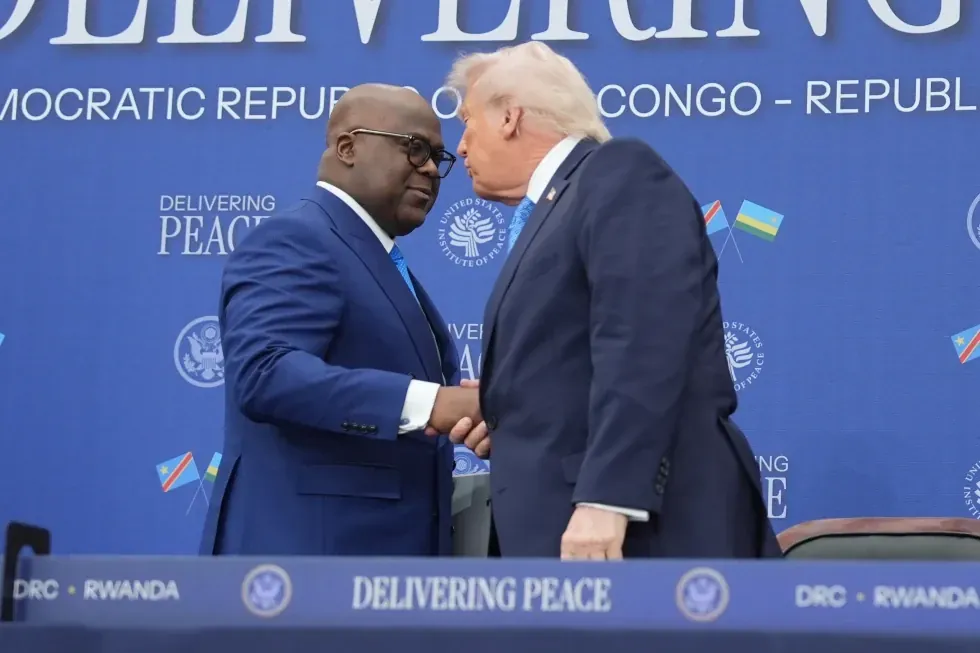
KINSHASA, Congo (Journos News) – The Democratic Republic of Congo and the United States announced a $1.2 billion health partnership on Thursday, with both governments pledging resources to strengthen Congo’s public health system. The initiative is intended to address HIV/AIDS, tuberculosis, malaria, maternal and child mortality, and other infectious diseases across the country.
Under the agreement, the U.S. Department of State will contribute up to $900 million over five years, while Congo will increase its domestic health spending by $300 million during the same period. Officials described the partnership as part of a broader U.S. strategy to foster self-sufficiency and streamline international health assistance.
This deal represents one of 19 bilateral global health partnerships the United States has established with African nations, many of which previously faced funding reductions under Washington’s changing foreign aid policies. Analysts note that the approach reflects a transactional model of engagement, emphasizing direct government-to-government negotiations over multilateral programs.

U.S. Health Funding Strategy in Africa
The partnerships replace prior arrangements managed by the United States Agency for International Development (USAID), which have been scaled back or dismantled. U.S. officials say the new agreements are intended to reduce waste and remove ideological priorities from health aid, while promoting local responsibility in recipient countries.
Observers have raised questions about the terms of such agreements, particularly concerning the sharing of health data. On Thursday, the Africa Centers for Disease Control and Prevention highlighted potential challenges linked to data-sharing provisions, which could require countries to provide information on viruses that might trigger outbreaks.
“There are huge concerns regarding data, regarding pathogen sharing,” Africa CDC director-general Dr. Jean Kaseya told reporters. Similar disputes contributed to the collapse of health funding negotiations between the U.S. and Zimbabwe earlier this week, when Harare rejected conditions tied to sensitive data. It remains unclear whether Congo will face comparable requirements under its partnership.
Broader Context for African Health Systems
Many African health systems rely heavily on foreign aid for essential programs, including epidemic response, disease prevention, and maternal care. U.S. aid cuts over recent years have strained healthcare delivery in several countries, making new funding agreements particularly significant.
Experts say the Congo deal could serve as a model for future partnerships, balancing financial support with expectations for local accountability. However, the success of such arrangements will depend on transparent implementation, domestic health investment, and careful handling of sensitive epidemiological data.


The partnership comes amid a period of increased attention to infectious disease threats in Africa, where health officials are working to strengthen national and regional capacities to respond to potential outbreaks.
Source: AP News – Congo and US agree to $1.2 billion health partnership