Audiophile recommendations are often misunderstood as sterile test discs designed to expose flaws rather than deliver enjoyment. A closer look at long-running discussions on forums such as Head-Fi, Steve Hoffman Forums, AudioKarma and Reddit tells a different story: the albums most often praised are those that balance exceptional recording quality with music people genuinely return to.
This ranking distills thousands of listener posts and recurring forum threads into a single list. The common thread is not perfection for its own sake, but recordings that reveal detail, space and dynamics while remaining emotionally engaging. Many of these albums are used to evaluate new equipment, yet they endure because listeners want to hear them again, not because they must.
What follows is a ranked overview of 35 albums most consistently recommended across major audiophile communities, ordered by frequency of endorsement and depth of praise, with attention to why each record matters sonically and musically.

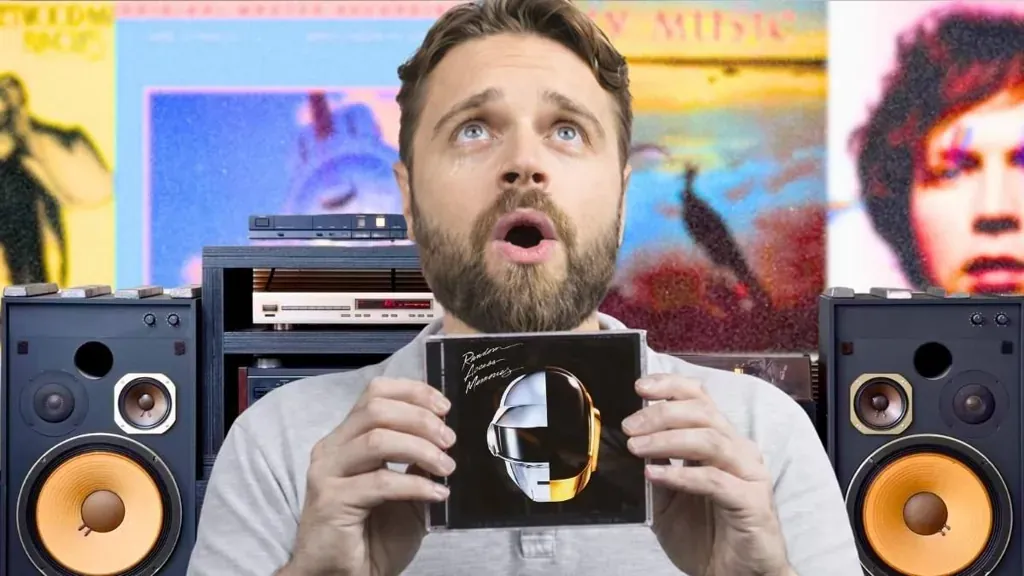
1. Daft Punk – Random Access Memories (2013)
Frequently cited as a modern reference recording, Random Access Memories combines analog tracking with meticulous digital mastering. The album’s depth, low noise floor and dynamic contrast make it a common choice for demonstrating high-resolution playback. Tracks such as “Giorgio by Moroder” are repeatedly highlighted for their clarity and scale without sacrificing groove.
2. Pink Floyd – The Dark Side of the Moon (1973)
A perennial fixture in audiophile discussions, this album remains valued for its expansive soundstage and fine detail. Subtle effects, wide dynamics and careful engineering make it revealing on any system, while its musical cohesion keeps it from becoming mere demonstration material.
3. Steely Dan – Aja (1977)
Often described as a benchmark studio production, Aja is admired for its precision and balance. Complex arrangements remain clean and intelligible, allowing listeners to assess separation, transient response and tonal accuracy without listener fatigue.
4. Beck – Sea Change (2002)
This album is widely recommended for its transparent mix and emotional restraint. Orchestral textures, deep bass and intimate vocals coexist without congestion, making it a common choice for evaluating midrange realism and low-level detail.
5. Massive Attack – Mezzanine (1998)
Valued for its controlled sub-bass and atmospheric density, Mezzanine is frequently used to test bass extension and stability. Despite its dark palette, the album maintains clarity and spatial definition across systems.
6. Dire Straits – Brothers in Arms (1985)
As an early fully digital production, this record is often cited to illustrate how digital recording can sound natural when carefully executed. Its wide dynamics and clean transients remain impressive decades later.
7. Steely Dan – Gaucho (1980)
Known for its meticulous layering, Gaucho is praised for maintaining coherence despite dense overdubs. Audiophiles often note how individual elements remain anchored in space even at high resolution.
8. Fleetwood Mac – Rumours (1977)
Beyond its commercial success, Rumours earns repeated praise for warm analog sonics and finely blended harmonies. Good pressings reveal depth and texture that reward careful listening.
9. Miles Davis – Kind of Blue (1959)
Frequently referenced for natural instrument tone, this jazz landmark is used to assess realism and placement. The recording’s openness allows subtle performance details to emerge without artificial emphasis.
10. Pink Floyd – Wish You Were Here (1975)
Listeners highlight the album’s tonal balance and spaciousness, particularly on acoustic passages. Its restrained production makes it useful for judging texture and decay.
11. Roxy Music – Avalon (1982)
Praised for its smooth, shimmering presentation, Avalon is often described as effortlessly polished. The album’s clarity has made extensive remastering largely unnecessary.
12. Radiohead – Kid A (2000)
A frequent recommendation for testing complex mixes, Kid A challenges systems with layered electronics, processed vocals and controlled low-end energy while remaining musically coherent.
13. Opeth – Blackwater Park (2001)
Unusual among metal recordings, this album is cited for its clarity and dynamic control. Heavy passages and acoustic sections are rendered with equal care, avoiding the compression typical of the genre.
14. The Beatles – Abbey Road (1969)
Collectors continue to debate pressings because the album rewards close listening. Its varied textures and vocal layering make it revealing without sounding clinical.
15. Donald Fagen – The Nightfly (1982)
An early all-digital recording, The Nightfly is admired for its low noise floor and precise imaging. It remains a staple in equipment demonstrations.
16. Dire Straits – Love Over Gold (1982)
Known for its wide dynamic swings, this album is often used to evaluate a system’s ability to move from quiet passages to full crescendos without strain.
17. Jennifer Warnes – Famous Blue Raincoat (1987)
Praised for lifelike vocals and natural instrumental tone, the album is frequently recommended for assessing vocal presence and midrange smoothness.
18. Supertramp – Crime of the Century (1974)
This record is noted for its expansive arrangements and clarity. Strong dynamics and careful production make it a favorite among classic rock listeners.
19. Roger Waters – Amused to Death (1992)
Often mentioned for its immersive sound design, the album combines spatial effects with detailed instrumentation, making it a striking demonstration of imaging.
20. The Alan Parsons Project – I Robot (1977)
Consistently cited for pristine production, I Robot exemplifies Parsons’ engineering approach, balancing atmosphere with clarity.
21. Joni Mitchell – Hejira (1976)
Listeners frequently point to the album’s spacious arrangements and articulate bass as reasons it remains a reference for tonal balance and openness.
22. Patricia Barber – Café Blue (1994)
A mainstay in jazz recommendations, the album is valued for its intimate presentation and dynamic contrast, revealing subtle system characteristics.
23. Hugh Masekela – Hope (1994)
Recorded live with minimal processing, Hope is praised for its realism and scale, often used to demonstrate dynamic range.
24. The Dave Brubeck Quartet – Time Out (1959)
Its clean, spacious recording continues to be admired for natural reverberation and instrumental clarity.
25. Tool – Lateralus (2001)
Frequently cited as proof that heavy music can sound refined, the album balances impact with separation and control.
26. Jazz at the Pawnshop – Arne Domnérus et al. (1977)
Long regarded as a live-recording reference, it is valued for ambient detail and uncompressed dynamics.
27. Grace Jones – Slave to the Rhythm (1985)
This album is often highlighted for its meticulous studio construction and crisp separation across dense arrangements.
28. Cowboy Junkies – The Trinity Session (1988)
Recorded with a single microphone, it remains a touchstone for natural tonality and coherent soundstage.
29. Jeff Buckley – Grace (1994)
Praised for its dynamic vocal recording and textural richness, the album offers both emotional depth and sonic finesse.
30. Michael Jackson – Thriller (1982)
Regularly cited as evidence that pop can be audiophile-grade, the album’s punch and clarity remain exemplary.
31. Norah Jones – Come Away With Me (2002)
Valued for its warm, organic sound, the album is often recommended for evaluating subtle dynamics and vocal intimacy.
32. Eric Clapton – Unplugged (1992)
An enduring reference for acoustic recording, it captures instrument resonance and room ambience with ease.
33. Nils Lofgren – Acoustic Live (1997)
Widely used as a demonstration disc, particularly for its transient detail and realistic audience ambience.
34. Yosi Horikawa – Vapor (2013)
A modern favorite for imaging tests, the album’s spatial effects challenge headphone and speaker setups alike.
35. Lorde – Pure Heroine (2013)
Frequently cited for its controlled low end and minimalist clarity, it demonstrates how contemporary pop can reward critical listening.
This article was rewritten by JournosNews.com based on verified reporting from trusted sources. The content has been independently reviewed, fact-checked, and edited for accuracy, neutrality, tone, and global readability in accordance with Google News and AdSense standards.
All opinions, quotes, or statements from contributors, experts, or sourced organizations do not necessarily reflect the views of JournosNews.com. JournosNews.com maintains full editorial independence from any external funders, sponsors, or organizations.
Stay informed with JournosNews.com — your trusted source for verified global reporting and in-depth analysis. Follow us on Google News, BlueSky, and X for real-time updates.