Updated Febraury 24, 2026
As the men’s 2026 World Cup approaches in North America, anticipation is colliding with frustration. The latest ticket allocation phase has revealed prices that some supporters describe as prohibitive, particularly for those hoping to follow their national teams through the tournament.
With final tickets reportedly exceeding $4,000 and cumulative costs for a full tournament run approaching $7,000 or more, fan groups argue that access to football’s flagship event is becoming increasingly dependent on financial capacity rather than loyalty.

The controversy centers on how FIFA has structured its ticket sales for the expanded 48-team tournament, which will be staged across the United States, Canada, and Mexico. For many supporters, the issue is not only the headline prices but the broader shift toward demand-based pricing and tiered allocations that may alter who fills stadiums next summer.
The debate reflects deeper tensions about commercialization in global sport — and about who the World Cup is ultimately for.
The Participating Member Association Allocation Explained
The current backlash follows FIFA’s distribution of tickets to national federations under what it calls the Participating Member Association (PMA) allocation.
This system allows each federation to offer tickets directly to verified supporter groups or loyalty program members. In theory, the mechanism ensures that core national-team fans gain access to matches involving their country.
In practice, however, the pricing attached to those allocations has drawn scrutiny.
■ Related News




According to statements from Football Supporters Europe (FSE), following a team from the group stage through to the final could cost at least $6,900 in ticket purchases alone. The group describes this as significantly higher than the equivalent pathway during the 2022 tournament in Qatar.
Such comparisons are complicated by several factors. The 2026 tournament will feature 48 teams instead of 32, increasing the total number of matches. It will also span three countries and vast geographic distances, potentially raising operational and logistical costs.
Still, the magnitude of the increase has surprised organized supporter groups.
FSE said it was “astonished” by what it called “extortionate” pricing for dedicated fans, urging FIFA to reconsider how tickets are distributed and priced.
A Shift Toward Demand-Based Pricing
For the first time in World Cup history, there will be no single flat price for all group-stage matches. Instead, ticket costs vary depending on perceived demand.
This model, already common in club football and other global sporting events, effectively means that fans of higher-profile teams may face higher prices even at the same tournament stage.
FIFA has stated in previous communications that ticketing will include multiple categories, with some group-stage seats starting around $60. However, those lower-priced tiers are not necessarily included in allocations to national associations, meaning loyal fans purchasing through federation channels may encounter higher minimum prices.
The governing body has previously emphasized its aim to maintain accessibility while balancing commercial sustainability. As of publication, it has not publicly addressed the latest criticisms from supporter organizations.
The adoption of demand-based pricing reflects broader trends in global sports economics. Major tournaments increasingly rely on dynamic pricing strategies, premium hospitality packages, and differentiated access models to maximize revenue.
While such systems can increase overall financial returns, they also reshape the demographic composition of stadium audiences.
The England Case Study
The pricing structure circulated by the English Football Association illustrates how the model works in practice.
For England’s opening group match, the lowest-priced ticket reportedly stands at $265. Should England reach the final, the cheapest seat would cost $4,185, with premium options reaching as high as $8,680.
Supporters are also required to commit financially months in advance, with payments expected by early 2026.
The Football Supporters’ Association (FSA), which represents fans in England and Wales, described the figures as “a step too far for many supporters.” The organization argues that escalating ticket costs risk excluding the very fans who create the atmosphere and identity associated with international tournaments.
Similar concerns have been voiced across Europe and elsewhere.
Beyond the Ticket Price
The headline ticket figures represent only part of the equation.
The 2026 World Cup will unfold across a vast geographic area, from Mexico City to Toronto to Los Angeles. Travel between host cities may require long-haul flights or cross-border transit, adding significant expense.
Accommodation costs in host cities are also likely to rise during the tournament period, as seen during previous global sporting events.
In effect, the total cost of attendance — including airfare, lodging, local transport, and meals — may far exceed the ticket price itself. For fans hoping to attend multiple matches, the financial commitment becomes even more substantial.
This broader cost structure contributes to concerns about accessibility. Even if some lower-tier tickets remain available in theory, the cumulative expense may place attendance beyond reach for many long-time supporters.
Commercial Pressures and Structural Change
The 2026 edition represents the largest World Cup ever staged. Expanding to 48 teams increases match inventory, operational complexity, and broadcast reach.
FIFA’s revenue model depends heavily on broadcasting rights, sponsorships, and commercial partnerships. Matchday income, while not the dominant revenue source compared with media rights, remains an important component.
Balancing affordability with commercial sustainability has long been a tension point for mega-events. Economists note that when demand significantly exceeds supply — as is typical for World Cup knockout matches — organizers face pressure to price tickets at levels reflecting market willingness to pay.
Dynamic pricing models are one way to capture that value. However, critics argue that global sporting events carry cultural and social functions that extend beyond pure market logic.
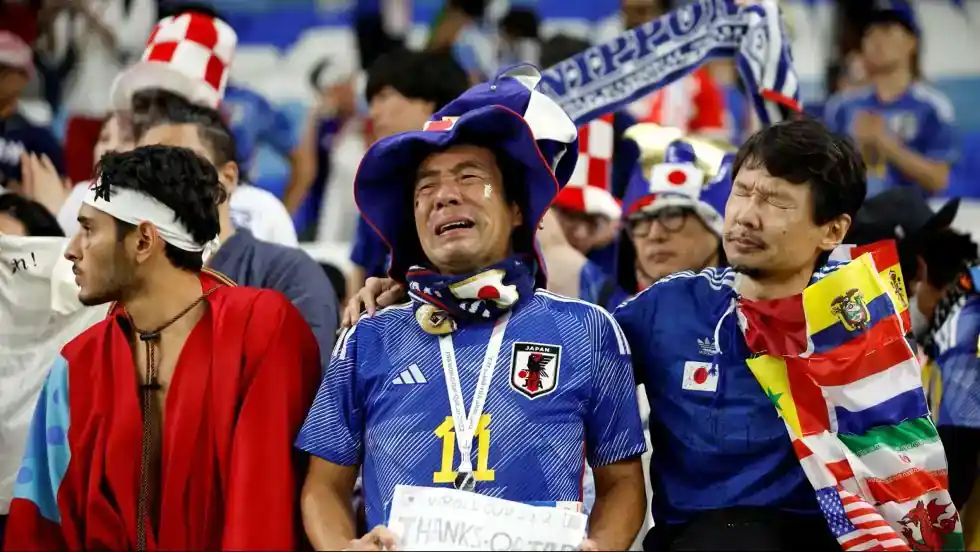
Supporters’ groups contend that the World Cup’s identity has historically been tied to accessible participation and visible, passionate fan bases traveling from around the world.
What This Means for the Tournament Atmosphere
One concern raised by fan organizations is the potential effect on stadium atmosphere.
Historically, World Cup crowds have included large contingents of traveling supporters who follow their teams across multiple matches. These fans often shape the soundscape and visual culture of the event.
If rising costs reduce the presence of such supporters, some argue that the tournament environment could shift toward a more corporate or hospitality-driven audience composition.
There is limited empirical data on how pricing alone affects stadium atmosphere. However, previous tournaments have shown that travel barriers and cost constraints influence which fans attend and in what numbers.
The 2026 tournament’s geographic scale may further shape this dynamic. The dispersed host-city model could make it more difficult for fans to follow teams across venues, potentially reducing continuous national supporter presence.
A Broader Debate About Access
The current controversy reflects a larger conversation about access to global sporting events.
Across football, ticket prices for elite club competitions have risen steadily over the past two decades. At the same time, governing bodies face growing commercial expectations from sponsors, broadcasters, and host cities.
This suggests that the World Cup pricing debate is not an isolated episode but part of an ongoing structural shift in the sport’s economic model.
Whether FIFA adjusts its approach in response to fan pressure remains unclear. The governing body has historically defended its pricing decisions as necessary for tournament sustainability and investment in global football development.
What is evident is that the 2026 World Cup will test the balance between commercial strategy and cultural tradition.
For many supporters, the issue is not simply about cost but about belonging — about whether loyalty accumulated over years of following a national team translates into meaningful access to its biggest moments.
As ticket sales continue and allocations are finalized, the conversation about who gets to experience the World Cup in person is likely to remain central to the tournament narrative.
Source: CNN – Why soccer fans are ‘astonished’ by the ‘extortionate’ ticket prices for next year’s World Cup