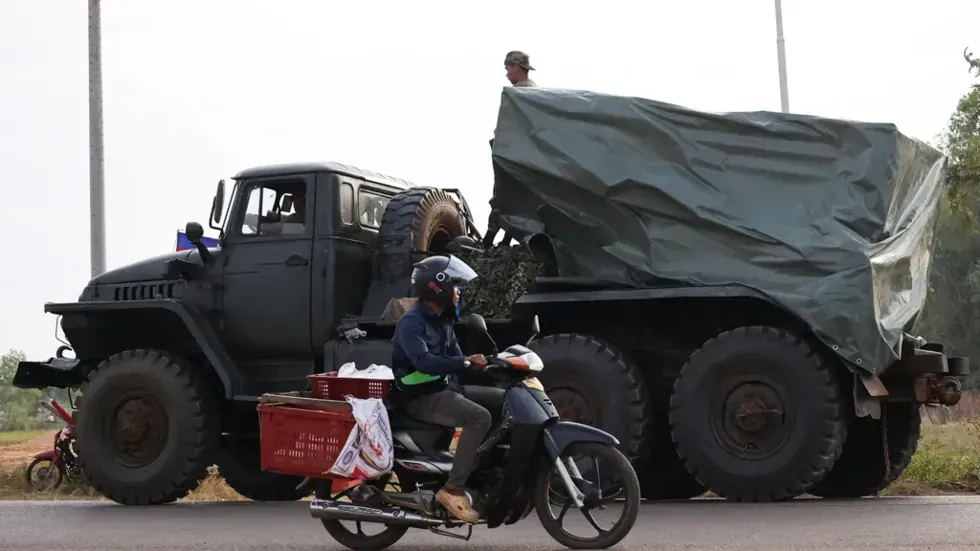
The United States has called on Thailand and Cambodia to cease hostilities immediately as fighting along their disputed border entered a third day, leaving at least 10 people dead and forcing hundreds of thousands from their homes. The appeal comes amid widening violence that both sides say was triggered by the other, underscoring how fragile recent ceasefire efforts have been.
In a statement, US Secretary of State Marco Rubio urged the two Southeast Asian neighbors to adhere to de-escalation measures outlined in a peace accord brokered in October by President Donald Trump. Washington’s intervention highlights concern that renewed clashes could destabilize a region critical to trade and security.
The latest flare-up marks the most serious escalation since fighting in July killed dozens of soldiers and civilians. Despite previous agreements aimed at calming tensions, artillery exchanges and air strikes have resumed across multiple provinces on both sides of the frontier.

Civilian toll rises as evacuations expand
Officials say the death toll over three days stands at 10, including seven people in Cambodia and three in Thailand. Thai authorities reported evacuating more than 400,000 residents from affected areas, while Cambodia said around 100,000 people have been moved to shelters.
Thailand’s defence ministry described its military response as “limited in scope” and undertaken as a last resort. A ministry spokesperson said security operations were intended to safeguard civilians, adding that peace must ensure the safety of Thai citizens.
Cambodian officials, however, accused Thailand of launching “aggressive military attacks” that struck civilian institutions and cultural sites, including historic temples located near contested territory. The exchange of accusations reflects the deep mistrust that continues to shadow diplomatic efforts.
The scale of displacement has raised concerns about humanitarian needs, particularly in rural border communities where access to shelter, food and medical care can be limited. Aid groups have yet to publish comprehensive assessments, but local authorities on both sides have opened temporary facilities for evacuees.
Diplomatic pressure builds
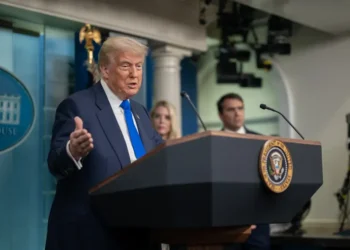
US President Trump said he would consider making a phone call to help stop the fighting, referencing the earlier peace framework that Washington helped facilitate. In October, Trump described the accord as a significant diplomatic achievement after months of intermittent violence.


The July clashes that preceded the agreement were triggered by a Cambodian rocket barrage into Thai territory, followed by Thai air strikes. Five days of intense combat left dozens dead before mediation efforts gained traction. Malaysian Prime Minister Anwar Ibrahim played a key role in brokering an “immediate and unconditional ceasefire” alongside US involvement.
Although the October agreement was intended to stabilize the border, tensions have persisted. Analysts note that long-standing territorial claims and nationalist sentiment on both sides have complicated implementation of ceasefire commitments.
On Wednesday, Cambodia announced it would withdraw from the Southeast Asian Games being hosted in Thailand. The Cambodian National Olympic Committee cited serious concerns raised by athletes’ families, saying the decision was not taken lightly. The move underscores how the violence is spilling into cultural and sporting ties that typically help maintain regional goodwill.
UN calls for restraint
UN Secretary-General António Guterres urged both governments to exercise restraint and avoid further escalation. He said the renewed fighting had resulted in significant civilian casualties, infrastructure damage and displacement.
The conflict has expanded into at least six provinces in northeastern Thailand and five provinces in northern and northwestern Cambodia. Several countries, including the United Kingdom, the United States and Japan, have issued travel advisories warning citizens against visiting affected border areas.
The dispute traces back more than a century, to the demarcation of borders following the French colonial administration of Cambodia. Competing interpretations of historical maps and sovereignty over temple complexes and surrounding land have fueled periodic confrontations, most notably around the Preah Vihear area in previous decades.
While large-scale warfare between the two nations is unlikely, even limited engagements can have serious consequences for border populations. The current crisis illustrates how unresolved historical grievances can quickly reignite despite formal agreements.
For now, diplomatic efforts appear focused on restoring adherence to the October ceasefire and preventing further civilian harm. Whether renewed mediation — potentially involving regional partners or Washington — can secure a durable calm remains uncertain.
As artillery exchanges continue, the immediate priority for both governments is containing violence and addressing humanitarian needs. The coming days will test the durability of last year’s peace framework and the willingness of both sides to step back from confrontation.
Source: BBC – US tells Thailand and Cambodia to stop fighting as clashes continue