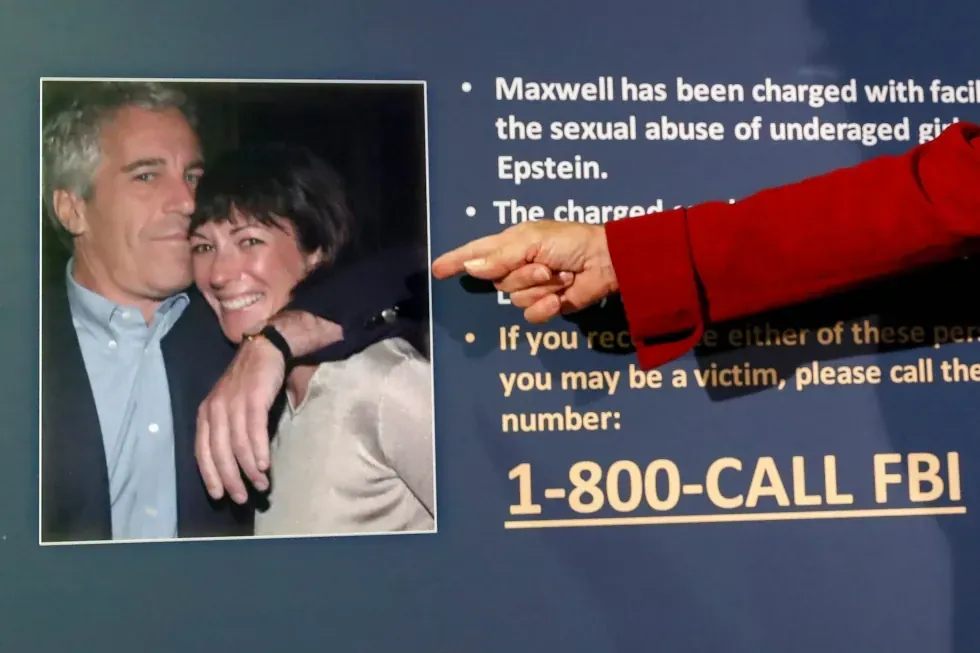
NEW YORK (Journos News) – A federal judge has cleared the way for the U.S. Justice Department to release key records in the Ghislaine Maxwell sex trafficking case, acting under a new law that requires disclosure of files linked to Jeffrey Epstein.
In a ruling on Tuesday, U.S. District Judge Paul A. Engelmayer authorized the department to unseal grand jury transcripts and related materials. However, he warned that the public should not expect major new revelations from the documents.
The decision marks a shift from earlier court rulings that blocked similar requests. This time, the recently enacted Epstein Files Transparency Act provided the legal basis for disclosure.

Ghislaine Maxwell case records unlikely to reveal new details
In his written opinion, Engelmayer said the records do not identify anyone other than Epstein and Maxwell as having had sexual contact with a minor. Nor, he noted, do they name clients or describe previously unknown methods tied to their crimes.
Grand jury proceedings in the United States remain secret in most cases. Courts protect that secrecy to shield witnesses and preserve the integrity of investigations. Nevertheless, the transparency act creates a narrow exception and directs the government to release certain Epstein-related materials by a set deadline.
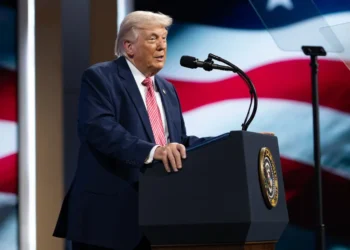
President Donald Trump signed the law after months of political and public pressure. Under the statute, the Justice Department must make Epstein-related records public by Dec. 19.
Broader disclosure effort underway
The Justice Department has told judges that it plans to release 18 categories of investigative material. These include search warrants, financial documents, victim interview notes, and data taken from electronic devices.
At the same time, a separate request to unseal records from Epstein’s 2019 federal case remains pending.
■ Related News




The fate of the Epstein files has drawn sustained attention during Trump’s second term. Earlier this year, officials released some documents, though most were already public. Later, promised disclosures stalled. The new law now compels further action.
Meanwhile, a federal judge in Florida recently ordered the release of transcripts from an earlier federal grand jury investigation into Epstein conducted in the 2000s. That order signals similar movement in other courts.
Background on Epstein and Maxwell
Jeffrey Epstein, a financier with ties to prominent figures, faced federal sex trafficking charges after his arrest in July 2019. He died by suicide in a New York jail one month later while awaiting trial.
Ghislaine Maxwell, a longtime associate of Epstein, was convicted in December 2021 of sex trafficking and related offenses. She is serving a 20-year federal prison sentence.
Maxwell’s lawyers argue that releasing additional records could harm her planned habeas corpus petition, which seeks to overturn her conviction. Her attorney, David Markus, told the court that widespread publicity might undermine the possibility of a fair retrial if one were granted. The U.S. Supreme Court declined to hear her appeal in October.
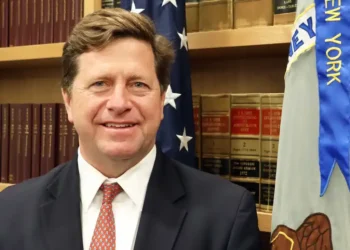
Judge Engelmayer also directed Manhattan U.S. Attorney Jay Clayton to personally certify that prosecutors have rigorously reviewed the materials before release. He stressed the need to protect victims’ identities and private information. In response, the Justice Department said it is consulting victims and their lawyers and will redact sensitive content, including explicit images.
Victims’ advocates have long pressed for greater transparency. Annie Farmer, one of Maxwell’s accusers, supported passage of the transparency act. Through her attorney, she said she hopes disclosure efforts will not be used as grounds to withhold other relevant information.
Long history of investigations
The Epstein and Maxwell cases span nearly two decades and have generated tens of thousands of pages of records. Courts have already released many documents through civil lawsuits and public filings, while others emerged through Freedom of Information Act requests.
Investigators first examined Epstein’s conduct in Palm Beach, Florida, in the mid-2000s. Local police and federal prosecutors gathered evidence during that period.
In 2008, Epstein resolved that earlier federal investigation through a controversial plea agreement. He pleaded guilty to a state prostitution charge and served 13 months in a county jail work-release program. The arrangement later drew bipartisan criticism and renewed scrutiny after his 2019 arrest.
Now, the court’s latest ruling opens another chapter in the public release of records tied to Epstein and Maxwell. Even so, the judge’s opinion makes clear that the newly unsealed materials may confirm much of what is already known rather than transform the public understanding of the case.
Source: AP News – Justice Department can unseal Ghislaine Maxwell sex trafficking case records, judge says