Journos News - Breaking News, World News, Top Stories, Todays Headlines and Flash Reports
Tuesday, July 14, 2026
  • Login
  • Home
  • World
    • Africa
    • Americas
    • Asia
    • Europe
    • Middle East
    • Oceania
  • Politics
  • Business
  • Technology
  • Health
  • Science
  • Sports
  • Entertainment
  • Culture
No Result
View All Result
  • Home
  • World
    • Africa
    • Americas
    • Asia
    • Europe
    • Middle East
    • Oceania
  • Politics
  • Business
  • Technology
  • Health
  • Science
  • Sports
  • Entertainment
  • Culture
No Result
View All Result
Journos News - Breaking News, World News, Top Stories, Todays Headlines and Flash Reports
No Result
View All Result
Home EDITORS PICK

How to Keep Hungry Wasps from Ruining Your Summer Picnic

A simple, science-backed trick helps you enjoy outdoor meals without wasp interruptions.

The Daily Desk by The Daily Desk
June 16, 2026
in EDITORS PICK, Health & Wellness, Lifestyle
0
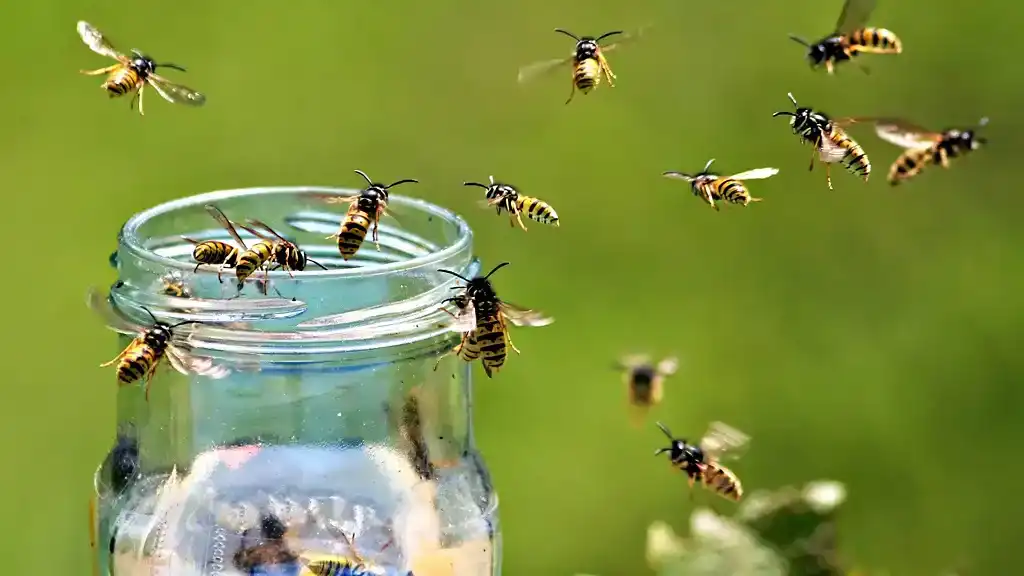
How to stop wasps from ruining your picnic: Practical tips to manage wasp behavior and protect your outdoor dining experience this summer and beyond. - Getty Images/BBC

Avoid wasp attacks during outdoor meals with this expert-approved trick that diverts hungry wasps and lets you enjoy your summer picnic stress-free. - Getty Images/BBC

How to Keep Hungry Wasps from Ruining Your Summer Picnic

Published Time 08-12-2025, 14:00

Summer picnics are a cherished way to enjoy warm days outdoors, but hungry wasps often arrive uninvited and disrupt the fun. These common insects, while sometimes viewed as pests, play vital roles in ecosystems as pollinators and natural pest controllers. Understanding their behavior can help you peacefully share your picnic without them stealing the spotlight—or your food.

Why Wasps Come to Your Picnic: Understanding Their Behavior

The wasps most likely to intrude on your picnic are usually the common yellowjacket (Vespula vulgaris) and the German wasp (Vespula germanica). These species are social insects, and worker wasps (all females) forage to bring food back to their colony’s larvae.

Their foraging habits change throughout the summer season, depending on the needs of their young. Early in the season, wasps focus on protein sources to feed their growing larvae. Later, when larvae pupate and no longer require feeding, adult wasps shift their preference toward sugary foods like nectar—or unfortunately, your sweet picnic treats.

By learning these seasonal feeding habits, you can anticipate wasp behavior and reduce the chances they’ll disrupt your meal.

RELATED POSTS

Private Farewell Held for David Hockney as Memorial Plans Emerge

José Andrés Shares His Guide to Experiencing Tapas the Spanish Way

Why Hair Brushing Habits Matter More Than Popular Beauty Myths

Tall Communities Find New Visibility Through Meetups and Shared Public Experiences

Pen Pal Programs See Renewed Interest as Digital Fatigue Shapes Communication Habits

A formative kitchen experience highlights tradition and technique in French cuisine

Stay Calm and Still: Avoid Triggering Wasps’ Defense Mode

When a wasp approaches your picnic, sudden movements can be mistaken for threats. Wasps rely heavily on smell receptors to locate food but use visual cues to navigate once they are near. If you start waving your arms or swatting at them, this can mimic the behavior of predators, such as badgers in the UK, and provoke defensive attacks.

To avoid this, keep your mouth closed and breathe calmly to minimize carbon dioxide release—a signal that can alert wasps to danger. Staying still helps the wasp focus on gathering food rather than reacting to you.

Observe Their Choice: What Is the Wasp Eating?

Watch closely what the wasp collects from your picnic. Is she carrying away a piece of ham, a scoop of jam, or slurping from a sugary drink? This observation offers clues about what the wasp’s colony needs at that moment. The wasp is on a mission to provide specific nutrients to her larvae, so she’s very focused on her target food.

By noting what she takes, you can prepare a separate food offering to divert her attention away from your main meal.

The Simple Wasp-Offering Trick: Feed Them to Eat in Peace

One of the most effective ways to enjoy your picnic without constant wasp interruptions is to create a “wasp offering.” Once the wasp flies off with her food, place a small portion of the same food slightly away from your picnic spread. This spot becomes her go-to feeding station, keeping her—and potentially other wasps—occupied.

Over time, you can move the offering further from your eating area, reducing wasp visits near your guests. This technique is widely used worldwide, from backyard picnics to outdoor restaurants, and is backed by entomologists as a humane and practical way to coexist with these insects.

Unlike honeybees, which recruit many foragers to a food source through complex communication, social wasps are less likely to swarm in large numbers at a single site. This means a few wasps at your picnic likely arrived by chance, rather than an organized call.

Seasonal Shifts in Wasp Feeding Habits: Protein to Sugar

Wasps’ food preferences evolve as their colony develops. Early summer sees wasps hunting protein-rich foods such as insects or meat, essential for feeding their carnivorous larvae. This phase typically lasts until mid-to-late August.

As the larvae pupate and no longer need feeding, wasps shift their focus toward sugars like nectar from flowers or sweet human foods such as jam and lemonade. This shift signals the colony is entering its later stages of the season.

By understanding this seasonal change, you can better predict whether your picnic will attract wasps seeking ham or those more interested in sugary treats.

The Wasp Waist: Evolutionary Adaptation for Feeding

A distinctive feature of adult wasps is their narrow “wasp waist,” scientifically called the petiole. This constriction between the thorax and abdomen evolved to allow the wasp to bend its abdomen to paralyze prey or lay eggs in other insects.

This anatomy also limits wasps to a mostly liquid diet, as solid food is chewed and processed by larvae. The larvae in return produce a nutritious secretion that adult wasps feed on, supplementing their diet with nectar. This mutual feeding cycle helps maintain the colony’s health throughout the season.

Why Wasps Are Important: Beyond the Picnic Nuisance

While often seen as nuisances, wasps provide critical ecosystem services. They are effective predators of flies, caterpillars, aphids, and other insects considered pests by farmers and gardeners. By naturally controlling these populations, wasps contribute to healthier crops and reduced pesticide use.

Moreover, as pollinators, wasps help sustain various wild plants and flowers. With ongoing global declines in insect biodiversity, learning to coexist with wasps supports broader environmental health.

Practical Tips for Enjoying Picnics with Wasps Around

  • Prepare a wasp offering early: Set aside small amounts of food wasps are targeting to divert their attention.
  • Stay calm: Avoid sudden movements and loud noises to prevent triggering attacks.
  • Keep food covered: Use mesh food covers when possible to reduce scent trails.
  • Avoid strong scents: Perfumes and scented lotions can attract wasps.
  • Clean up promptly: Remove leftovers and trash quickly to minimize food sources.

By combining knowledge of wasp biology with simple preventative measures, you can protect your picnic without harming these valuable insects.

Conclusion: Sharing Summer Meals with Wasps

Wasps may seem like uninvited guests at summer picnics, but understanding their seasonal behavior and motivations can help you peacefully coexist. A calm approach and a small “wasp offering” can keep these vital pollinators and pest controllers at bay, ensuring your outdoor meals are enjoyable for everyone.

Source: BBC – The simple trick that stops hungry wasps from ruining your picnic

Tags: #AlFrescoDining#EcoFriendlyLiving#InsectEcology#InsectSeason#NaturalPestControl#OutdoorDiningSafety#PicnicHacks#PollinatorProtection#SummerPicnicTips#WaspBehavior#WaspControl#WaspFeedingHabits
The Daily Desk

The Daily Desk

The Daily Desk is a contributor at JournosNews.com covering politics, media, governance, and the evolving dynamics of public discourse. Stories published under this byline are produced in accordance with JournosNews' editorial standards, with an emphasis on verified reporting, accuracy, context, and impartiality.

Related Posts

Private Farewell Held for David Hockney as Memorial Plans Emerge

by The Daily Desk
June 21, 2026
0
David Hockney artwork displayed during a public exhibition - BBC/Getty Images

A private funeral has already been held for acclaimed British artist David Hockney following his death earlier this month at...

Read moreDetails

José Andrés Shares His Guide to Experiencing Tapas the Spanish Way

by The Daily Desk
June 21, 2026
0
Traditional Spanish tapas served in a lively tapas bar - Courtesy of José Andrés and Family in Spain

For chef and humanitarian José Andrés, tapas represent far more than a collection of small dishes. They are a reflection...

Read moreDetails

Why Hair Brushing Habits Matter More Than Popular Beauty Myths

by The Daily Desk
June 21, 2026
0
Woman brushing long hair as part of daily care - BBC/ Prashanti Aswani

For generations, hair brushing has been surrounded by beauty advice passed down through families, from claims that 100 nightly brush...

Read moreDetails

Tall Communities Find New Visibility Through Meetups and Shared Public Experiences

by The Daily Desk
June 16, 2026
0
Tall adults gathering together during a social meetup event - AP Photo/David J. Phillip

Tall people are increasingly forming social communities through organized gatherings, travel events, and public meetups centered on shared experiences related...

Read moreDetails

Pen Pal Programs See Renewed Interest as Digital Fatigue Shapes Communication Habits

by The Daily Desk
June 16, 2026
0
Handwritten letters and envelopes displayed beside vintage stationery materials - AP Photo/Holly Ramer

As messaging apps and social media continue to dominate everyday communication, handwritten letters and pen pal exchanges are experiencing a...

Read moreDetails

A formative kitchen experience highlights tradition and technique in French cuisine

by The Daily Desk
May 5, 2026
0
Classic leek quiche representing French culinary training tradition - Maura Mcevoy/Voracious via AP

The connection between culinary training and ingredient appreciation often shapes how chefs define their craft later in life. In the...

Read moreDetails

Barrier-Free Tours Gain Ground as Accessible Travel Reshapes Global Tourism

by The Daily Desk
April 27, 2026
0
Accessible guided tour with participants using mobility aids in museum - AP Photo/Markus Schreiber

Barrier-free tours are emerging as a key feature of modern tourism, reflecting broader efforts to make travel more inclusive for...

Read moreDetails

Global Pancake Traditions Reflect Cultural Identity and Changing Food Habits

by The Daily Desk
April 27, 2026
0
Different types of pancakes from around the world on plates - asab974/Adobe Stock via CNN

Pancakes, a staple found across continents, are increasingly being examined not just as comfort food but as a reflection of...

Read moreDetails

World’s Largest Art Heist Still Shapes Museum Security Decades On

by The Daily Desk
June 16, 2026
0
Empty frames at Boston museum after major art theft - AP Photo/Josh Reynolds, File

The world’s largest art heist remains one of the most enduring mysteries in cultural history, with stolen works valued at...

Read moreDetails
Load More
Next Post
Monica Seles Reveals Myasthenia Gravis Diagnosis, Raising Awareness Ahead of 2025 U.S. Open - AP Photo/ Elise Amendola, File

Monica Seles Opens Up About Living with Myasthenia Gravis: A Journey of Strength and Awareness

Trump Postpones Higher China Tariffs for 90 Days, Sending Global Markets Up as Investors Hope for Progress in Trade Negotiations - AP Photo/Eugene Hoshiko

Global Markets Rally as Trump Delays China Tariffs, Easing Trade Tensions

Jellyfish Swarm Forces Temporary Shutdown of Four Reactors at Gravelines Nuclear Plant, Highlighting Climate Change Impact on Energy Infrastructure - Sameer Al-Doumy/AFP/Getty Images

Jellyfish Swarm Forces Shutdown of Four Reactors at France’s Gravelines Nuclear Plant

JournosNews logo

Journos News delivers globally neutral, fact-based journalism that meets international media standards — clear, credible, and made for a connected world.

  • Categories
  • World News
  • Politics
  • Business & Markets
  • Technology
  • Health
  • Science
  • Sports
  • Arts & Culture
  • Resources
  • Editorial Standards
  • Submit a Story
  • Advertise with Us
  • Syndication & Partnerships
  • Site Map
  • Press & Media Kit
  • Editorial Team
  • Careers

Join thousands of readers receiving the latest updates, tips, and exclusive insights straight to their inbox. Never miss an important story again.

  • About Us
  • Editorial & Trust Center
  • Contact Us
  • Privacy Policy
  • Terms of Use & Copyright Notice

© JournosNews.com All rights reserved.

Welcome Back!

Login to your account below

Forgotten Password?

Retrieve your password

Please enter your username or email address to reset your password.

Log In
JournosNews

Independent Journalism.
Verified Facts.

You're about to read a professionally edited article from JournosNews.com.

Every article is produced in accordance with our editorial standards, emphasizing factual accuracy, transparent attribution, fairness, editorial independence, and meaningful context.

Editorial Standards
No Result
View All Result
  • Home
  • World
    • Africa
    • Americas
    • Asia
    • Europe
    • Middle East
    • Oceania
  • Politics
  • Business
  • Technology
  • Health
  • Science
  • Sports
  • Entertainment
  • Culture

© JournosNews.com All rights reserved.

This website uses cookies. By continuing to use this website you are giving consent to cookies being used. Visit our Privacy and Cookie Policy.