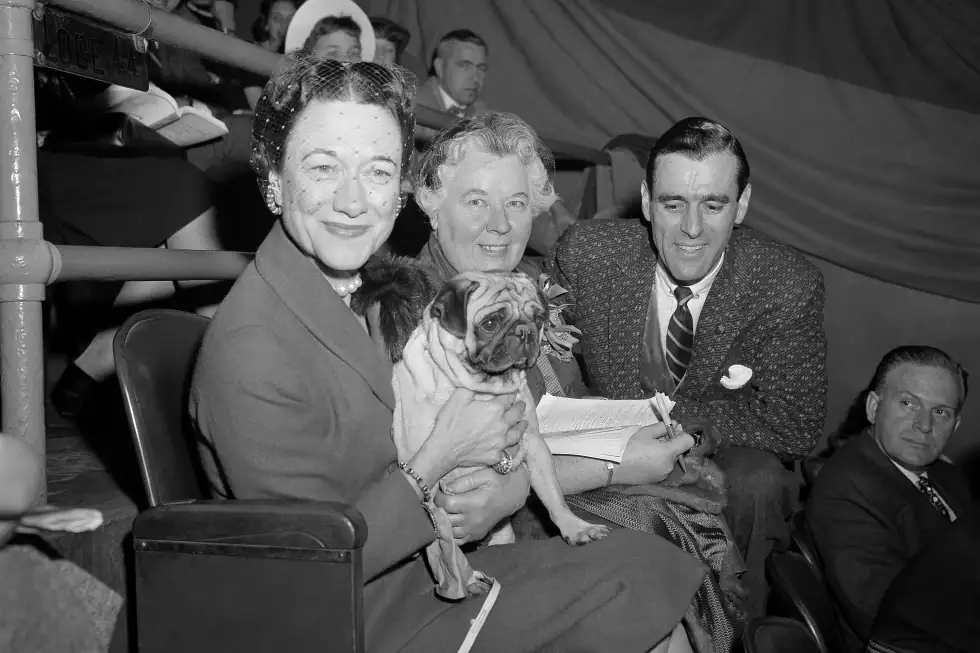
NEW YORK (JN) – The Westminster Kennel Club Dog Show, now marking its 150th iteration, offers a lens into American cultural history, elite hobbies, and changing standards in canine care. From its modest beginnings in 1877 to today’s high-profile televised and streamed competition, Westminster illustrates both continuity and adaptation within a tradition-bound event.
Originally conceived by New York gentlemen hunters, the show combined competitive spirit with social prestige. Its early participants displayed dogs in elaborate costumes and presented them in formal settings, reflecting a societal interest in status, pedigree, and presentation. Over time, Westminster has evolved into a globally recognized canine sports event, featuring formal rankings, breed-specific standards, and a variety of competitions beyond conformation, including agility and other performance disciplines.
While the show has expanded in scale—2,500 dogs across more than 200 breeds in 2026 compared with roughly 1,200 in 1877—it retains its core ethos: a celebration of dogs and their care. The expansion mirrors broader trends in American leisure and hobby culture, professionalization of sports, and increased awareness of canine genetics and health.
Historical Roots and Naming
The Westminster name derives from the Westminster Hotel, where the founders congregated socially and showcased their dogs. While the hotel no longer exists, the moniker remains, illustrating the enduring influence of early traditions. The original 1877 show featured breeds ranging from pugs to mastiffs, including an English setter valued at $5,000—significant given the contemporary average laborer’s wage of $1.30 per day. These early valuations underscore the elite and often performative nature of the event, a trait that persists in modern iterations through the use of professional handlers, sponsorships, and celebrity attendance.
Canine Evolution and Breed Standards
Breed standards and judging criteria have become more formalized over time. Whereas early shows highlighted visual appeal and novelty, modern Westminster rankings rely on detailed standards codified by the American Kennel Club (AKC). Some breeds have evolved in size, coat density, or other features due to nutrition and selective breeding, yet the essence of many breeds remains recognizable to 19th-century participants. The addition of Best in Show in 1907 marked a shift toward structured competition, introducing an overall prize absent from the inaugural event.
Agility and other performance-based competitions now complement the traditional conformation judging. This diversification aligns Westminster with broader developments in canine sports, reflecting growing public interest in dogs’ athleticism, intelligence, and versatility rather than solely appearance.
Social Dynamics and Spectator Culture
Spectatorship has been a consistent aspect of Westminster, with early attendees noted for their fashionable attire and social presentation. Over time, the event attracted a wider range of prominent figures, from American tycoons to contemporary celebrities. Despite this elite lineage, the show maintains accessibility, with many participants handling their own dogs while balancing careers in policing, medicine, the military, or corporate sectors.
The contrast between professional handlers and amateur enthusiasts highlights a tension between tradition, prestige, and democratization. While the competitive environment has become more sophisticated, the show’s organizers emphasize inclusivity, reflecting both contemporary social expectations and historical patterns of broad community engagement around canine companionship.
Venue Continuity and Media Representation
Westminster has largely remained at Madison Square Garden or its precursors, reinforcing its historical continuity and New York cultural identity. Its media presence dates back to televised broadcasts in the late 1940s and now includes live streaming, expanding audience reach beyond in-person spectators.
Popular culture has further cemented Westminster’s image. The 2000 mockumentary Best in Show satirized the obsessive, eccentric elements of dog-show culture while maintaining respect for the animals themselves. The film broadened public awareness of Westminster without altering its fundamental structure, demonstrating how media can shape perception of long-standing institutions.
Health, Welfare, and Ethical Critiques
Westminster has faced persistent scrutiny regarding breeding practices prioritizing aesthetics over health. Critiques trace back decades, with concerns about extreme breed features affecting dogs’ well-being. Contemporary activism, including demonstrations by PETA, underscores ongoing tensions between tradition, commercial spectacle, and evolving standards of animal welfare.
Club leadership emphasizes a long-standing commitment to canine welfare, citing donations to veterinary scholarships, rescue organizations, and pet-friendly domestic violence shelters. These efforts connect contemporary Westminster to its early philanthropic roots, when proceeds from the inaugural show supported the ASPCA’s first shelter. This dual legacy—of elite competition and welfare advocacy—illustrates the complex balance the show maintains between spectacle and responsibility.
Implications for Cultural and Sporting Traditions
Westminster’s longevity offers insight into the dynamics of cultural persistence and adaptation. Its ability to retain core practices while incorporating modern standards, health considerations, and media strategies suggests a model of gradual evolution rather than abrupt transformation. The show raises broader questions about how elite hobbies intersect with public engagement, commercialization, and ethical standards in animal care.
Comparatively, Westminster’s trajectory mirrors that of other long-standing sporting events, such as the Kentucky Derby, which similarly blend tradition, social prestige, and contemporary innovation. The dog show’s continued relevance indicates that institutions grounded in both community interest and elite patronage can sustain cultural significance over centuries, provided they balance heritage with responsiveness to societal change.
In conclusion, Westminster at 150 exemplifies the interplay of continuity and change in American leisure culture. Its evolution reflects shifting societal attitudes toward pets, competitive standards, and media engagement, while maintaining the central human-animal connection that has defined the show since 1877. The event’s enduring appeal lies not only in spectacle but in its capacity to adapt incrementally, demonstrating a nuanced negotiation between tradition, innovation, and ethical awareness.
This article was rewritten by JournosNews.com based on verified reporting from trusted sources. The content has been independently reviewed, fact-checked, and edited for accuracy, neutrality, tone, and global readability in accordance with Google News and AdSense standards.
All opinions, quotes, or statements from contributors, experts, or sourced organizations do not necessarily reflect the views of JournosNews.com. JournosNews.com maintains full editorial independence from any external funders, sponsors, or organizations.
Stay informed with JournosNews.com — your trusted source for verified global reporting and in-depth analysis. Follow us on Google News, BlueSky, and X for real-time updates.