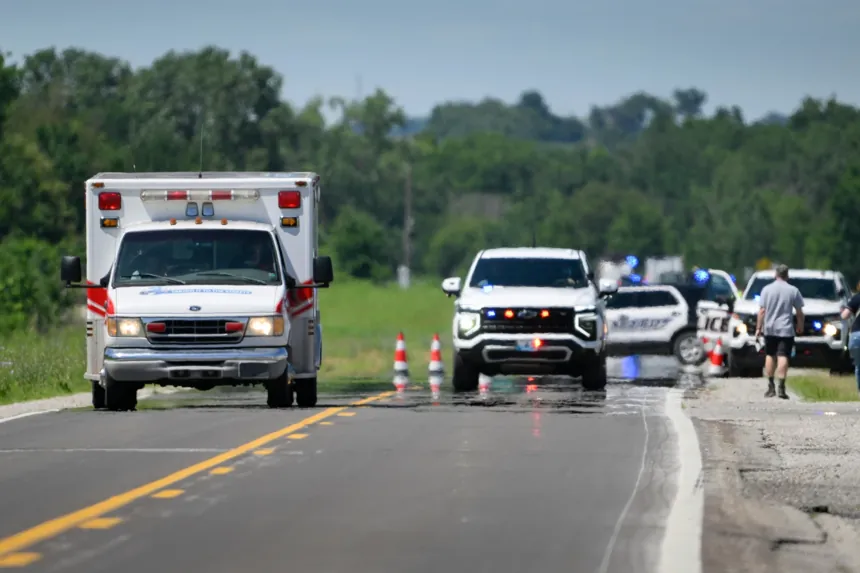
A skydiving aircraft crash in Missouri that killed 12 people on Sunday has prompted renewed scrutiny of maintenance practices and regulatory oversight in the U.S. skydiving aviation sector, according to statements from aviation experts and federal investigators. The National Transportation Safety Board (NTSB) said it is investigating the incident, which occurred shortly after takeoff from a small airport near Butler Memorial Airport, about an hour south of Kansas City. Family members were reportedly present on the ground as the crash unfolded, while authorities said the cause remains unknown at this early stage.
Investigation Underway With No Immediate Cause Determined
The NTSB has said it will take more than a year to complete its final report into the crash, though preliminary findings are expected in the coming weeks. Officials emphasized that it is too early to determine what led to the accident involving a single-engine turboprop aircraft commonly used for skydiving operations.
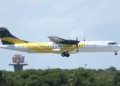
The aircraft, identified as a Pacific Aerospace 750XL manufactured in 2010, is designed with removable rear seating to accommodate jumpers and is certified for single-pilot operation. The operator was Skydive Kansas City, part of the Bucketlist Experience group, which promotes training and safety preparation for skydiving participants on its website.

History of Incidents Raises Safety Questions
The crash comes two years after another skydiving aircraft incident near the same airport, in which all passengers were able to parachute to safety. In that earlier case, the NTSB found that an emergency parachute deployment handle became snagged, contributing to a collision with the aircraft’s horizontal stabilizer.
A broader review by the NTSB of 32 skydiving-related accidents between 1980 and 2008 identified recurring issues involving maintenance deficiencies, inspection shortcomings, and weak pilot training practices. The agency previously noted that recommended safety improvements were not fully adopted by regulators overseeing the sector.
Experts Point to Maintenance and Oversight Gaps
Aviation safety expert Jeff Guzzetti, a former investigator for both the NTSB and the Federal Aviation Administration (FAA), said skydiving aircraft incidents frequently expose weaknesses in maintenance practices and operational safety culture.
“These skydiving operations don’t have the best maintenance to make sure they’ve got airworthy airframes and engines because they don’t undergo the normal scrutiny that an air charter service does,” Guzzetti said.
FAA regulations governing skydiving operations are generally less stringent than those applied to commercial charter flights or airlines, a distinction experts say can allow safety issues to persist undetected.
■ Related News

Past Crashes Highlight Regulatory Concerns
The NTSB also referenced a 2019 crash in Hawaii that killed 11 people, in which investigators found that a damaged aircraft wing had not been properly repaired after a previous incident. According to the NTSB, routine FAA inspections failed to identify the structural damage before the fatal accident.
Those findings echoed earlier safety concerns raised by the agency, which warned that gaps in regulatory enforcement could leave skydiving operations vulnerable to preventable risks.
Industry Safety Record and Broader Context
Despite recent accidents, the skydiving industry maintains that its overall safety record remains strong. Data from the United States Parachute Association shows that 16 civilian deaths occurred last year out of approximately 3.47 million skydives completed nationwide.
The association reports that most fatalities are linked to human error rather than aircraft failure, with a long-term trend showing declining death rates since the late 1970s. The current fatality rate stands at 0.46 deaths per 100,000 jumps.
Aircraft Profile and Operator Details
The Pacific Aerospace 750XL involved in Sunday’s crash is known for short takeoff and landing capability, with the manufacturer stating it can operate in less than 800 feet and carry over 4,000 pounds under challenging conditions. It is widely used in skydiving due to its configurable interior and operational flexibility.
Skydive Kansas City, which operated the aircraft, describes its mission as training and preparing participants for safe skydiving experiences. On its website, the company states it is “Helping Make Safe Skydivers” by teaching fundamentals before participants engage in what it calls the “exhilarating freedom of flying through the sky.”
Uncertainty Remains as Federal Probe Continues
Authorities have not yet confirmed what caused the crash, and investigators have not released preliminary technical findings. The NTSB said its analysis will examine maintenance records, operational procedures, and flight conditions as part of its long-term investigation.
For now, officials stress that any conclusions about the cause would be premature as the inquiry continues.
Tags: United States, Missouri, Aviation Safety, NTSB, FAA, Skydiving Plane