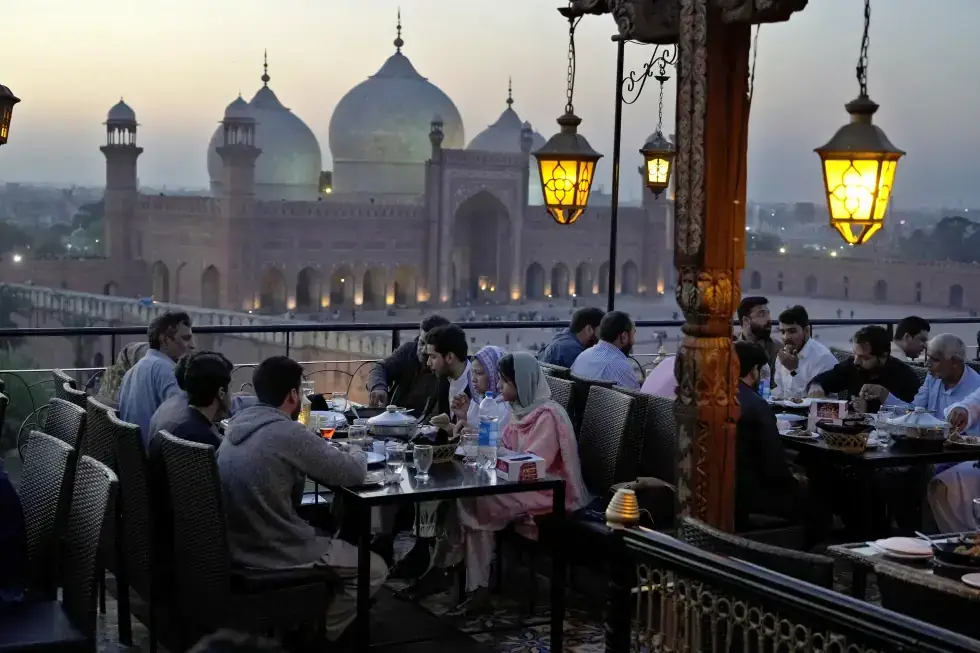
Ramadan fasting is a central religious practice for Muslims worldwide, but it also represents a significant shift in eating patterns and daily rhythms. Nutrition experts say the experience can remain both spiritually meaningful and physically sustainable when approached with planning, moderation and medical awareness.
As the holy month of Ramadan approaches, millions of Muslims will abstain from food and drink from dawn to sunset, restructuring daily routines around pre-dawn and evening meals. While fasting is primarily a spiritual discipline rooted in Islamic tradition, it also involves physiological adjustments that can affect hydration, metabolism and energy levels.
Health specialists emphasize that for most healthy adults, Ramadan fasting is safe. However, outcomes vary depending on climate, daylight hours, pre-existing health conditions and dietary choices. The question is not simply whether fasting is safe, but how it can be practiced in ways that align with both religious commitments and established nutritional science.

In recent years, academic research and clinical guidance from public health institutions have converged around similar principles: preparation, balanced nutrition, adequate hydration and awareness of medical risk factors. These considerations help frame a broader analytical question: how can individuals maintain metabolic stability and overall wellbeing while observing prolonged daily fasting?
Who Should Fast — and Who Should Seek Medical Advice
Islamic jurisprudence exempts certain groups from fasting, including young children, older adults with frailty, pregnant or breastfeeding women, and those who are menstruating. From a medical perspective, these exemptions reflect recognized physiological vulnerabilities.
Individuals with diabetes, cardiovascular disease, kidney disorders or other chronic conditions face additional considerations. According to global guidance referenced by institutions such as the World Health Organization, fasting can affect blood sugar control, blood pressure regulation and medication timing. For patients taking insulin or antihypertensive drugs, abrupt schedule changes may alter risk profiles.
Clinicians generally advise that people with chronic illnesses consult healthcare providers before deciding to fast. This approach does not preclude observance but allows for individualized adjustments, including medication timing or alternative religious accommodations where necessary.
The underlying analytical point is that Ramadan fasting is not a uniform physiological experience. It interacts with existing health conditions in ways that require case-by-case evaluation rather than broad generalizations.
The Role of Suhoor: Sustained Energy Before Dawn
The pre-dawn meal, known as suhoor, plays a central metabolic role. After suhoor, individuals may go 12 to 16 hours — or longer in some latitudes — without caloric intake or fluids. Nutritional composition therefore matters more than portion size alone.
Dietitians consistently emphasize combining complex carbohydrates, protein and healthy fats. Fiber-rich foods — such as whole grains, legumes, fruits and vegetables — digest more slowly than refined sugars, helping stabilize blood glucose levels over longer periods. Protein sources, including eggs, yogurt, milk or plant-based alternatives, may also reduce mid-day hunger.
Healthy fats from nuts, seeds or avocados can slow gastric emptying, extending satiety. By contrast, high-sugar pastries or refined carbohydrates are digested quickly and may trigger sharper insulin responses followed by energy dips.
Caffeine presents a more nuanced issue. While tea or coffee is culturally common at suhoor in many regions, caffeine has mild diuretic properties and may contribute to perceived dehydration in hot climates. Gradual reduction before Ramadan can mitigate withdrawal headaches during the first days of fasting.
The broader implication is that suhoor functions as a strategic meal. Its composition influences not only hunger but cognitive focus, mood stability and physical endurance throughout the day.
Hydration: A Silent Determinant of Wellbeing
Because water intake is also restricted during daylight hours, hydration becomes one of the most significant determinants of physical comfort during Ramadan.
Medical literature suggests that dehydration can manifest as headaches, fatigue, irritability and reduced concentration. In warmer climates or during longer daylight periods, fluid loss through perspiration compounds these risks.
Experts advise distributing water intake between iftar (the evening meal) and suhoor rather than consuming large amounts at once. Including hydrating foods — such as fruits and vegetables with high water content — may also contribute incrementally.
Sugary beverages, while common in some cultural traditions, can increase caloric intake without improving hydration efficiency. Moderation therefore becomes both a nutritional and metabolic consideration.
Hydration strategies illustrate a recurring theme in Ramadan health guidance: the objective is not to replicate daytime consumption after sunset, but to optimize intake within limited windows.
Iftar: Moderation and Metabolic Reset
Breaking the fast at sunset marks a physiological transition. Blood glucose levels may be lower after prolonged fasting, and initial food choices can influence how the body responds.
In many Muslim communities, it is customary to break the fast with dates and water. Dates provide natural sugars and fiber, offering a relatively gentle reintroduction of carbohydrates. Consuming water first may help regulate appetite and prevent rapid overeating.
Clinical nutritionists often advise a phased approach: begin with light foods, pause, then proceed to a balanced meal. Overconsumption immediately after fasting may lead to gastrointestinal discomfort, lethargy and disrupted sleep.
Evidence suggests that large evening meals, especially those high in saturated fats and simple sugars, can affect lipid profiles and weight regulation over the course of the month. However, research findings vary across populations and dietary patterns. Some studies indicate modest weight loss during Ramadan; others show weight stability or gain, depending on caloric intake and physical activity.
The implication is not that traditional foods should be avoided, but that portion size and pacing shape metabolic outcomes.
Physical Activity and Energy Management
Fasting also intersects with physical activity. For individuals who exercise regularly, timing matters.
Light movement — such as walking or stretching — during fasting hours can maintain circulation and alertness without excessive fluid loss. More strenuous workouts are often scheduled shortly before iftar or later in the evening to reduce dehydration risk.
From a metabolic perspective, fasting shifts the body toward greater reliance on fat stores for energy once glycogen reserves are depleted. However, this shift does not automatically translate into improved fitness or weight loss. Total caloric balance over 24 hours remains decisive.
Energy management during Ramadan therefore involves rhythm rather than intensity: balancing work, rest and spiritual practices in ways that avoid cumulative exhaustion.
Sleep, Circadian Rhythms and Cognitive Effects
Ramadan also alters sleep patterns. Late-night prayers and early suhoor meals can compress rest into shorter intervals.
Sleep deprivation may compound feelings of fatigue associated with fasting. Research in chronobiology indicates that circadian rhythm disruptions can affect hormone regulation, including cortisol and insulin sensitivity.
Planning short rest periods or adjusting work schedules where possible may mitigate these effects. Employers and educational institutions in many Muslim-majority countries adapt operating hours during Ramadan, reflecting recognition of these physiological shifts.
The interplay between sleep and nutrition underscores a broader analytical insight: fasting is not solely a dietary practice but a comprehensive change in daily structure.
Cultural Variation and Global Context
Ramadan is observed across diverse climates and time zones. Fasting duration may vary significantly between equatorial regions and higher latitudes. In northern countries during spring or summer, daylight can extend well beyond 16 hours, intensifying hydration challenges.
Cultural food traditions also shape nutritional outcomes. In some regions, meals emphasize fried foods and sweetened drinks; in others, soups, grains and legumes predominate. These variations influence caloric density and metabolic response.
Public health authorities in several countries publish Ramadan-specific guidelines each year, particularly for individuals with diabetes. The analytical pattern across these advisories is consistent: fasting can be compatible with health when guided by moderation, medical consultation and balanced meals.
Weighing Spiritual and Physical Dimensions
Ramadan’s primary purpose remains spiritual reflection, discipline and empathy for those experiencing hunger. Health considerations do not override that dimension but can support it.
Nutrition experts frequently frame their guidance in terms of sustainability. The objective is not to transform Ramadan into a diet program, nor to optimize athletic performance, but to maintain sufficient energy and stability to engage meaningfully in worship and community life.
Evidence-based recommendations — balanced macronutrients, steady hydration, medical consultation where necessary — are not prescriptive mandates. They reflect patterns observed in clinical practice and peer-reviewed research.
Uncertainty remains in certain areas, including long-term metabolic effects across different populations. Outcomes depend heavily on individual health status, climate and dietary habits. What remains consistent is that preparation and moderation appear to reduce preventable complications.
Ramadan fasting represents a unique intersection of faith and physiology. The evidence suggests that when approached with awareness and planning, the practice can remain aligned with both spiritual intention and physical wellbeing.
This article was rewritten by JournosNews.com based on verified reporting from trusted sources. The content has been independently reviewed, fact-checked, and edited for accuracy, neutrality, tone, and global readability in accordance with Google News and AdSense standards.
All opinions, quotes, or statements from contributors, experts, or sourced organizations do not necessarily reflect the views of JournosNews.com. JournosNews.com maintains full editorial independence from any external funders, sponsors, or organizations.
Stay informed with JournosNews.com — your trusted source for verified global reporting and in-depth analysis. Follow us on Google News, BlueSky, and X for real-time updates.