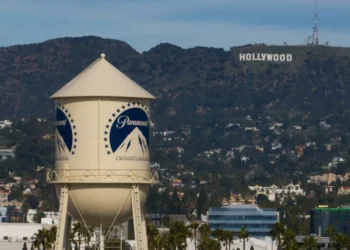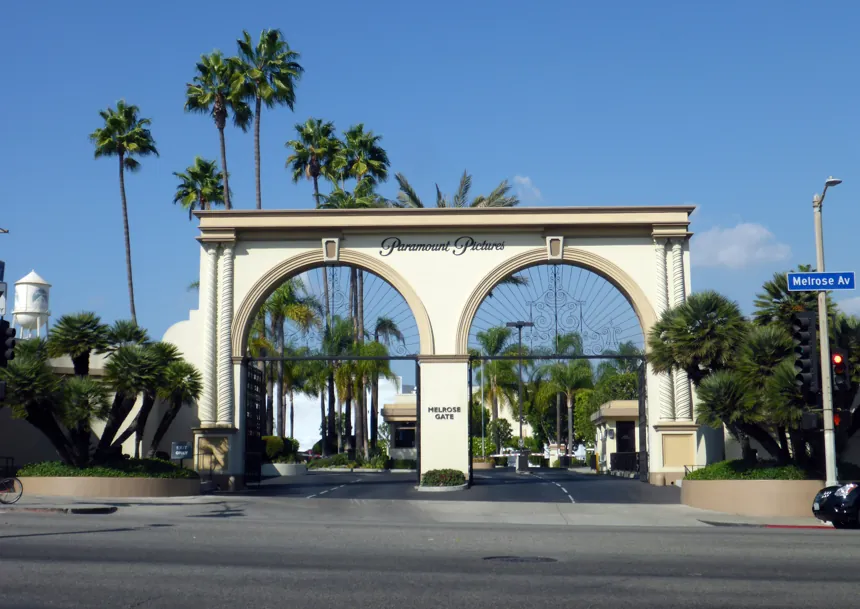
NEW YORK – Twelve U.S. states filed an antitrust lawsuit on Monday seeking to stop Paramount’s proposed $81 billion acquisition of Warner Bros. Discovery, arguing the deal would significantly reduce competition across the entertainment industry and ultimately harm consumers, movie theaters, cable distributors, and creative workers.
California Attorney General Rob Bonta, who is leading the coalition, announced the lawsuit during a news conference in Los Angeles, saying the merger would eliminate one of Hollywood’s remaining major competitors and leave audiences facing higher prices, fewer television shows and films, and lower-quality entertainment.
“Audiences on every sofa and in every movie (theater) seat would feel the impact of this unlawful merger,” Bonta said.

If completed, the transaction would unite two of Hollywood’s remaining five legacy studios. The combined company would bring together Warner’s HBO Max streaming platform, extensive film and television libraries—including franchises such as Harry Potter—and CNN alongside Paramount-owned CBS and the Paramount+ streaming service.
According to the complaint, the states are asking the companies not to complete the merger until judicial proceedings conclude. If Paramount and Warner refuse, the coalition said it intends to seek a temporary restraining order to halt the transaction.
Regulatory Challenge Arrives at Critical Stage
The lawsuit comes as the merger approaches its expected closing.
After a lengthy bidding contest that also involved Netflix, Paramount’s acquisition of Warner received shareholder approval in April and regulatory approval from President Donald Trump’s administration last month. The companies have targeted closing the transaction during the third quarter of the year, with recent indications suggesting they hoped to finalize the deal within weeks.
The legal challenge now threatens to delay that timetable.
■ Related News




Paramount has also committed to paying shareholders a 25-cent-per-share quarterly “ticking fee” if the acquisition remains unfinished after Sept. 30. In addition, the agreement includes a $7 billion regulatory termination fee if required conditions are not met.
International regulatory reviews continue as well. Paramount said it has already secured approvals in several jurisdictions, including China, Canada and Australia, while reviews remain underway in the European Union and the United Kingdom, where authorities have also indicated they may intervene.
Including debt, Paramount’s proposed purchase values Warner at nearly $111 billion, or approximately $31 per share based on current outstanding shares.
Paramount Defends the Deal
Paramount rejected the states’ claims, arguing that the lawsuit misapplies established antitrust law and overlooks the competitive realities of today’s entertainment market.
The company said combining Paramount and Warner would create a stronger competitor capable of challenging dominant technology and streaming platforms that it says have disrupted theatrical exhibition and employment across the entertainment industry.
Paramount added that it would “vigorously defend” the transaction.
Warner Bros. Discovery declined to comment separately, referring inquiries to Paramount.
Besides California, the lawsuit was joined by Arizona, Colorado, Connecticut, Massachusetts, Minnesota, Nevada, New Jersey, New Mexico, New York, Oregon and Washington.
States Cite Risks to Competition
The coalition argues that further consolidation would strengthen an industry already dominated by a small number of major media companies.
According to the complaint, a combined Paramount-Warner would control nearly one-third of both the U.S. theatrical film distribution market and the basic cable programming market.
New York Attorney General Letitia James said the merger would create “a massive company with unprecedented power and influence over news and entertainment across the globe.”
James also argued the transaction could threaten jobs and businesses throughout the country in addition to reducing consumer choice.
Industry organizations echoed those concerns. The Writers Guild of America welcomed the lawsuit, warning that additional consolidation would likely result in fewer employment opportunities, lower wages for entertainment workers, less programming diversity, and higher costs for consumers.
Paramount disputed that assessment, saying delaying the merger would instead prolong difficulties facing entertainment workers as technological disruption continues to reshape the industry. The company also argued that blocking the acquisition would benefit larger streaming competitors such as Netflix.
Political Debate Surrounds the Merger
The legal challenge also highlights broader political disagreements over federal antitrust enforcement.
No Republican-led states joined Monday’s lawsuit.
Several Democratic attorneys general criticized the U.S. Department of Justice for declining to challenge the transaction, questioning whether regulators subjected the merger to sufficient scrutiny.
Arizona Attorney General Kris Mayes suggested the department had been overly accommodating toward large corporate consolidations, while also referencing President Donald Trump’s relationship with the billionaire family of Paramount CEO David Ellison.
The Justice Department has not challenged the merger.
Reporting Credit: This report is based on reporting by The Associated Press.
Article Topics: Paramount | Warner Bros. Discovery | Antitrust | Media Merger | Streaming Industry | Hollywood | Competition | Entertainment Business