Technology companies including Apple, Microsoft, Nintendo and Valve are raising prices on consumer hardware as surging demand for memory chips used in artificial intelligence (AI) infrastructure places increasing pressure on global component supplies.
Recent company announcements indicate that products ranging from laptops and tablets to gaming consoles are becoming more expensive despite being well into their product life cycles, marking a departure from the long-standing trend of older technology steadily falling in price.
The pricing changes reflect broader supply-chain pressures tied to expanding AI investment, rising production costs and wider economic challenges that continue to affect the electronics industry.

AI Infrastructure Intensifies Memory Chip Demand
Apple recently increased prices for several tablets and laptops by nearly 20%, citing what it described as an unprecedented challenge affecting memory chip availability across the industry.
Microsoft also announced higher prices for its Xbox Series S and Series X consoles beginning in August. The adjustment represents the company’s third increase in just over a year, leaving some console models between 30% and 40% more expensive than they were a year earlier.
Nintendo has likewise confirmed plans to raise global pricing for the Switch 2 from September, while Valve has introduced higher-than-expected pricing for its Steam Machine gaming PC after previously increasing prices for its Steam Deck handheld.
The announcements point to mounting cost pressures linked to components increasingly required by AI-focused data centers.
AI Expansion Reshapes Component Markets
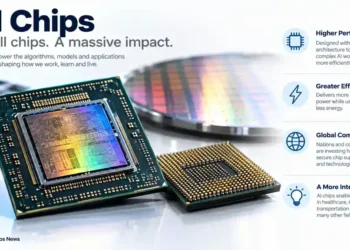
Technology companies developing generative AI systems continue investing heavily in large-scale data centers filled with advanced servers that require substantial quantities of high-performance memory and processors.
■ Related News



These facilities compete for many of the same semiconductor components used in consumer electronics, reducing available supply and driving up manufacturing costs.
Counterpoint Research Principal Analyst Yang Wang described the memory shortage as one of the smartphone industry’s most disruptive supply-side events, while noting that premium device manufacturers such as Apple and Samsung remain comparatively better positioned to absorb cost pressures without immediately increasing flagship smartphone prices.
The iPhone has not yet been included in Apple’s latest round of price increases.
Memory Prices Continue Climbing
Industry data cited in the source material illustrate how rapidly memory costs have risen.
Random access memory (RAM), once considered a relatively inexpensive component, more than doubled in price between October 2025 and early 2026.
Counterpoint Research reported that 32GB DDR5 memory modules increased from approximately $94 during the three months ending September 2025 to $127 during the following quarter. By the first quarter of 2026, prices had climbed to roughly $282, representing a 122% increase from the previous quarter.
Prices for both DRAM, which provides temporary working memory for computing devices, and NAND flash storage have continued rising since then.
Supply Constraints Extend Beyond AI
James Bull, senior technology analyst at RSM UK, said growing investment by the largest U.S. technology companies in AI infrastructure has significantly increased demand for memory chips beyond available manufacturing capacity.
According to Bull, large technology firms purchasing memory at scale and securing long-term supply contracts have encouraged manufacturers to prioritize enterprise orders over consumer electronics production.
Danni Hewson, head of financial analysis at AJ Bell, said accelerating construction of AI data centers has strengthened pricing power for major semiconductor manufacturers as customers compete for production capacity.
Inflation and Geopolitical Pressures Add to Costs
Analysts cited in the source material also pointed to broader economic factors contributing to higher device prices.
Sony previously attributed PlayStation 5 price increases in several markets to continued pressures across the global economy.
Piers Harding-Rolls of Ampere Analysis said higher memory prices, combined with inflationary pressures associated with geopolitical tensions involving Iran, may have influenced recent console pricing decisions.
Hewson also said supply disruptions linked to the Strait of Hormuz have added further cost pressures for chip manufacturers, with inflation from recent geopolitical developments likely to remain embedded in supply chains even if regional conditions stabilize.
Financial Performance Draws Public Scrutiny
Not all observers accept rising component costs as the sole explanation for higher retail prices.
U.S. Senator Bernie Sanders criticized Apple’s latest pricing decision in a post on X, describing the move as an example of “corporate greed.”
Apple reported revenue of $144 billion during the final quarter of 2025, representing 16% year-over-year growth and the company’s strongest quarterly revenue growth since 2021.
The company remains one of several technology firms balancing strong financial performance with higher production expenses associated with AI investment.
Chipmakers Benefit From AI Spending
While consumer electronics manufacturers face rising costs, some semiconductor producers continue benefiting from sustained AI demand.
Micron reported that its quarterly revenue had quadrupled, reflecting strong demand for memory products used in AI infrastructure.
Chief Executive Sanjay Mehrotra told investors that although industry supply is expected to improve gradually by 2028, the company does not yet see when global memory production will fully meet growing demand.
Those comments suggest supply constraints could persist for an extended period, potentially keeping prices elevated across a broad range of consumer technology products.
Tags: Apple, Microsoft, Nintendo, Valve, Artificial Intelligence, Memory Chips, Semiconductors, Consumer Electronics, Supply Chain, Gaming Industry