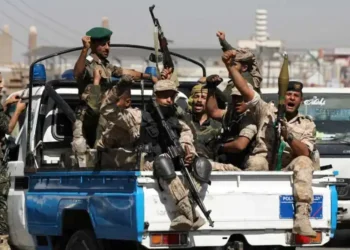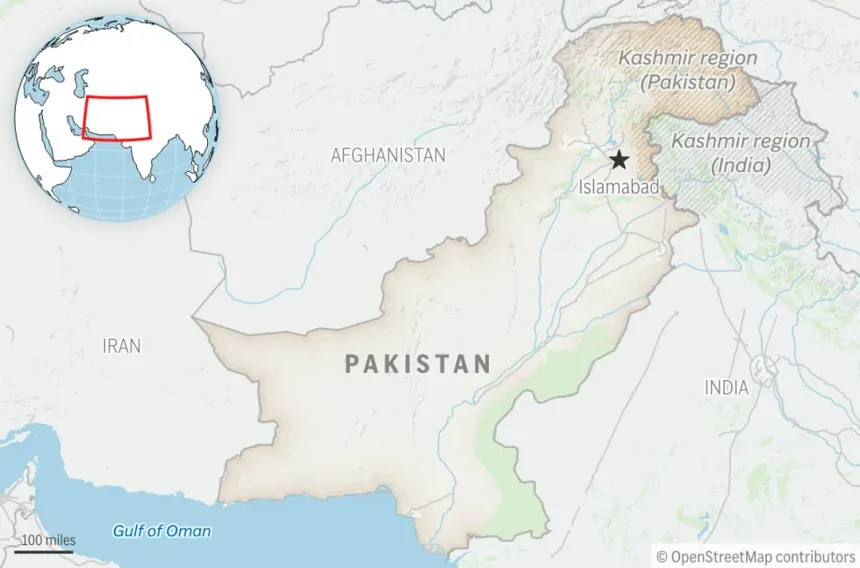
ISLAMABAD, Pakistan — Pakistani security forces carried out a ground operation followed by what officials described as “calibrated strikes” against militant hideouts and safe havens along the Pakistan-Afghanistan border on Sunday, killing 29 suspected militants, according to government officials.
The operation was launched in response to a series of militant attacks across Pakistan, Information Minister Attaullah Tarar said in a post on X. Afghan authorities did not immediately respond to Pakistan’s announcement.
The latest military action marks another escalation in tensions along the shared border, where repeated security incidents have complicated relations between Islamabad and Kabul.

Pakistan Links Operation to Rising Militant Violence
Tarar said the operation targeted hideouts used by Tehrik-e-Taliban Pakistan (TTP), also known as the Pakistani Taliban. Pakistani authorities have blamed the group and allied militant organizations for a recent increase in attacks against police and security personnel across the country.
The Pakistani Taliban is a separate organization from Afghanistan’s ruling Taliban movement, although the two groups are considered allies. The Afghan Taliban returned to power after taking control of Afghanistan in 2021.
Pakistan has repeatedly accused Afghanistan’s Taliban-led government of allowing militants to use Afghan territory to launch attacks inside Pakistan. Kabul has consistently rejected those allegations.
Operation Follows Deadly Karachi Attack
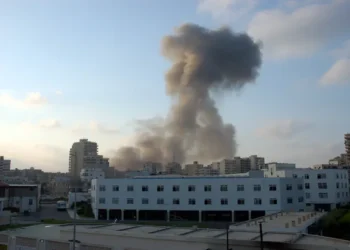
The border operation came one day after militants armed with firearms and explosives attacked the regional headquarters of Pakistan’s paramilitary Rangers in the southern port city of Karachi.
According to Pakistani authorities, three soldiers were killed in the assault. Security forces said they killed three attackers and arrested another wounded suspect, whom the military identified as an Afghan national.


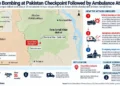
Jamaat-ul-Ahrar, a breakaway faction of the Pakistani Taliban, claimed responsibility for the Karachi attack in a statement issued Saturday night.
Cross-Border Tensions Continue
Sunday’s operation took place less than three weeks after Pakistan’s military launched airstrikes against what it described as militant hideouts inside Afghanistan.
Those strikes followed roughly a month of relative calm after Islamabad had characterized earlier hostilities between the neighboring countries as an “open war,” despite international diplomatic efforts aimed at reducing tensions.
Military exchanges between Pakistan and Afghanistan have intensified over recent months. According to the Associated Press, hundreds of people have been killed in cross-border fighting since February, when Afghanistan launched retaliatory strikes following earlier Pakistani airstrikes inside Afghan territory.
Diplomatic Efforts Face Ongoing Challenges
Several rounds of internationally mediated peace talks have failed to secure a lasting ceasefire between the neighboring countries.
China also hosted discussions between Pakistani and Afghan representatives in April. Beijing later said both sides had agreed to avoid further escalation and explore a diplomatic solution.
Despite those efforts, Pakistan has continued conducting operations along the border and inside Afghanistan against what it says are TTP and other militant hideouts, while Afghanistan continues to deny allegations that it provides sanctuary to militants operating against Pakistan.
Tags: Pakistan, Afghanistan, Tehrik-e-Taliban Pakistan, TTP, Afghan Taliban, Border Security, Militancy, Counterterrorism, Karachi, Attaullah Tarar, Cross-Border Conflict, Regional Security